Second Chance Crash Game Demo by Aviatrix: Honest Review, RTP & Strategy

Game Overview and Basic Information
What is Second Chance? It is a crash game from Aviatrix, and it belongs to the instant-win category rather than the reel category. It is a companion release to the studio’s original crash title, keeping the same flying-plane ascent but adding the mechanic the name refers to.
The Second Chance game is built around the same decision as any crash title (how long to stay in before the plane departs) with one addition that softens it. There are no reels, rows or paylines, which is why the table below describes an ascent curve rather than a grid.
Aviatrix publishes an RTP of 97.50%, high volatility and a release date of 03.2026. The game rules list a maximum winning multiplier of 10,000x, and bet limits are set by the operator.
There are no reels and no scatter chains: the largest multipliers belong to the statistical tail rather than to any realistic session.
Easy, Fast, Comfortable
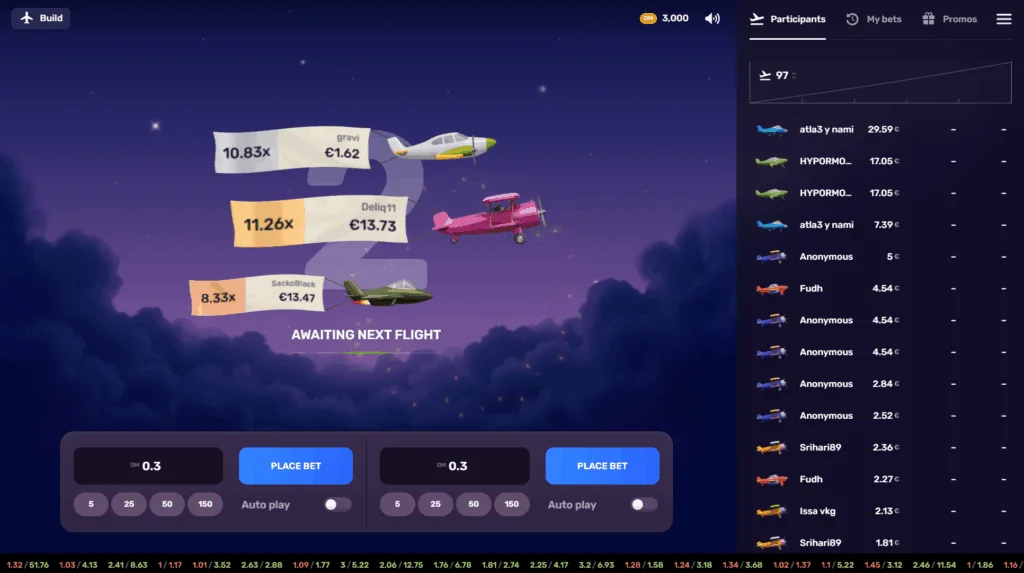
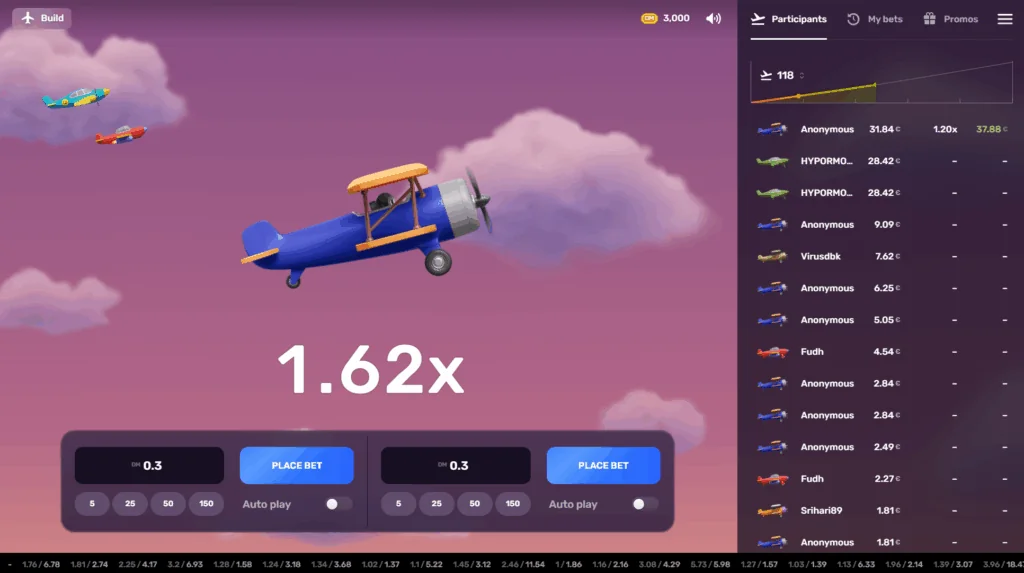
A bet field, a cash-out button and a large central multiplier carry the screen. A live feed of other players’ exits runs down the side, with a history strip of recent results along the top.
A Second Chance demo is available from the provider: free play runs in the browser on practice credits with no registration and no download.
The bet range is set by the operator, so check the limits in the game at your casino.
Rounds are continuous and short: a betting window, an ascent, a result. The tempo is set by the game rather than by the player, and a session is measured in minutes.
How to Play Second Chance
Rules and Bet Types
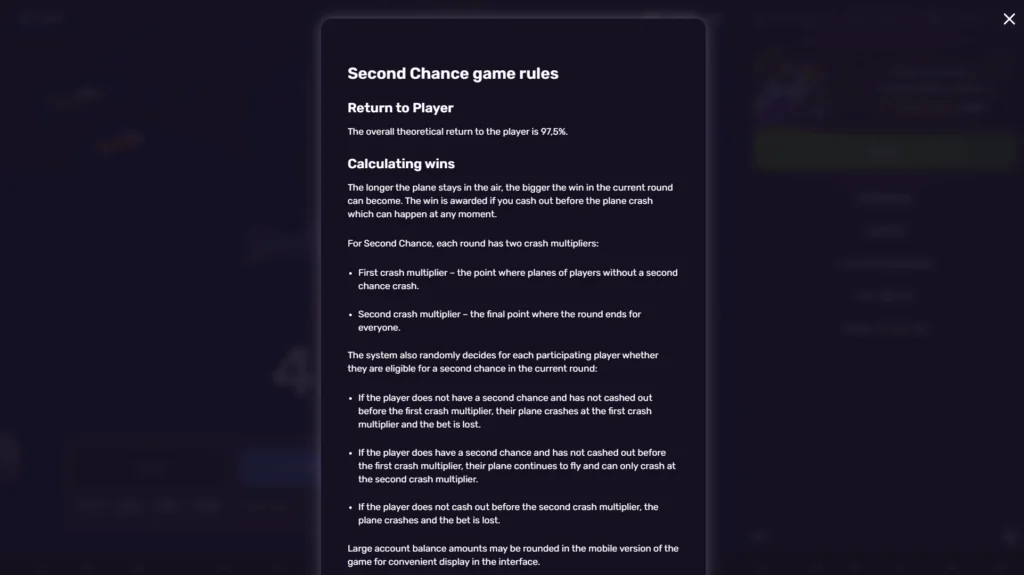
Place a bet in the betting window, watch the multiplier climb with the plane, and cash out before the plane leaves. Cash out in time and the stake returns multiplied by the figure on screen; leave it too late and the stake is lost.
The bet range is set by the operator. There are no side bets and no bonus purchase.
The Second Chance Mechanic
The mechanic the game is named for is an additional chance of a second flight after the first crash: selected players can continue flying instead of losing the round. That is the single feature that distinguishes this release from the studio’s original crash game.
Aviatrix describes the result as high-volatility gameplay built for players chasing higher wins. The second flight changes how losing rounds play out; the published 97.50% RTP covers the game as a whole.
Game Design
Theme and Visuals
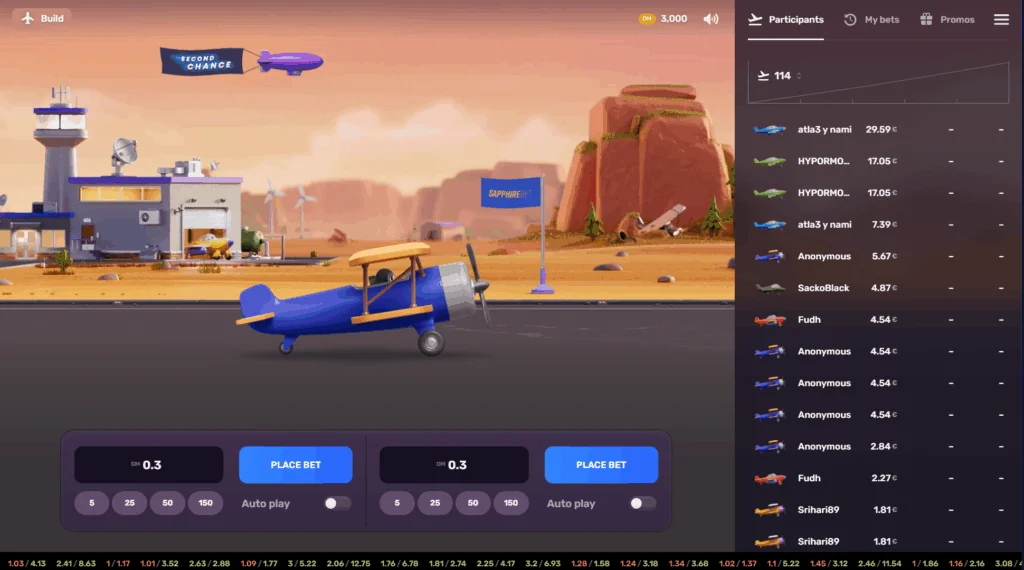
The theme is aviation, presented through the studio’s customisable aircraft rather than through a story. Players fly their own plane, and the cosmetic personalisation of that plane is a running thread across the studio’s crash titles.
Presentation is deliberately spare: an open sky, a climbing aircraft and a very large multiplier in the middle of the frame. The peripheral panels carry the social feed, so the centre of the screen stays uncluttered.
The Second Chance symbols are functional rather than decorative, the plane, the multiplier counter and the round-history chips do all the work.
Payouts, RTP and Volatility
Payout Structure and Multipliers
There is no paytable in the slot sense. A win is the stake multiplied by the figure showing at the moment of cash-out, so the payout curve is continuous rather than divided into winning combinations.
The Second Chance mechanic sits on top of that arithmetic, applying to rounds that would otherwise return nothing.
The Second Chance features list is short by design. It has all the features of the original Aviatrix crash game, the signature second flight after a crash, and progress shared between Aviatrix and Aviatrix Second Chance. There are no free spins and no bonus buy.
RTP and House Edge
The Second Chance RTP is 97.50% according to Aviatrix, which implies a house edge of 2.50%.
A hundred rounds can finish well above or well below it, and the high volatility profile makes that spread wider rather than narrower.
Check the Second Chance RTP inside the operator’s own game info panel before playing for real money. Some studios license more than one return configuration, and the version an operator deploys is the one that applies.
Max Win and Volatility
The Second Chance game rules list a maximum winning multiplier of 10,000x.
Second Chance volatility is high according to Aviatrix. This means the spread of outcomes is wide, with the second flight reducing how often a round returns nothing rather than narrowing the range of wins.
Second Chance Strategy
A common approach is to set a low automatic exit for steady results, or to let a round run for a bigger multiplier. Decide which profile you want before the session starts.
The Second Chance mechanic makes a small, patient staking plan more viable than a recovery system. The thing a doubling system is designed to survive is exactly what the safety net already partly addresses. Chasing with escalating stakes remains the fastest way to reach a loss limit.
Fairness and Randomness
Outcomes come from the game server’s random generator, and the rules in the game info panel explain how each round is settled.
Check the game rules at your casino for how the second flight is awarded and settled.
Check the RTP in the operator’s game info panel, since the version an operator deploys is the one that applies.
Mobile Device Compatibility
The layout was designed for a phone: a large cash-out button within thumb reach, the multiplier centred, and the social panels collapsing away on a narrow screen.
Because the format depends on acting inside a live round, connection quality matters. Setting an automatic exit before the round starts is the sensible protection on mobile data.
Advantages and Disadvantages
Advantages
Second Chance mechanic softens losing rounds. A refund or rescue applied to a round that would otherwise pay nothing is a real structural difference, not a promotional overlay. It is already priced into the published return.
All features of the original Aviatrix. Players who know the parent game can start without learning a new interface.
Published 97.50% RTP. Aviatrix lists the figure on its official page.
All features of the original Aviatrix, with progress shared between the two games.
Limitations
High volatility produces long dry runs. The safety net reduces how often a round returns nothing but does not flatten the distribution, so extended losing sequences remain part of the design.
The game rules list a maximum winning multiplier of 10,000x; casinos set their own payout limits in currency, so check the game rules at your casino.
Little depth once the mechanic is understood. Beyond the second flight the round loop is identical every time, and there is no feature ladder to work through.
No progressive jackpot attached. Every payout comes from the multiplier itself, so there is no separate jackpot pool to lift a session. It is also fair to note a heavy reliance on the parent title’s format.
Conclusion
The published 97.50% RTP is the headline figure, the second flight softens losing rounds, and shared progress with Aviatrix gives regular players a reason to keep coming back.
Other crash games we have reviewed include Aviator and JetX.
The second-flight mechanic is the reason to pick this over the studio’s original crash game.
The high volatility means losing runs are part of the design.