How to Bet via SMS
Placing a wager without opening an app or loading a betting site is still possible through a handful of operators that kept SMS betting alive after mobile networks upgraded to 4G and 5G. The method relies on a bookmaker’s short code, a pre-formatted text message, and a mobile carrier billing agreement instead of a banking app. It exists mainly for areas with unstable data coverage, for older handsets without a browser, and for bettors who prefer not to install another application on their phone.
How SMS Betting Actually Works
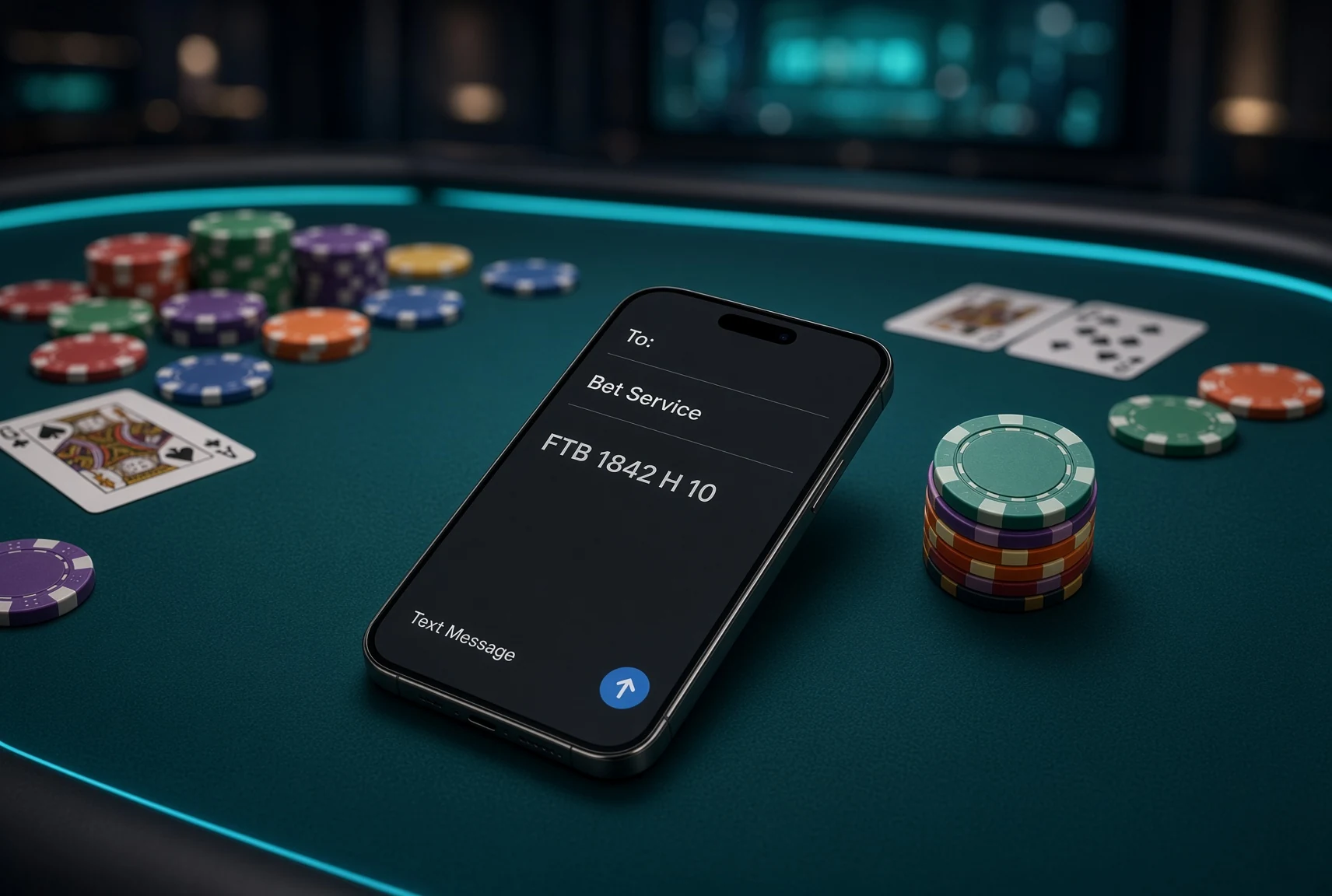
An SMS bet is a text message sent to a bookmaker’s short number, formatted according to a fixed syntax the operator publishes on its help page. The message usually contains an event code, a selection identifier, and a stake amount, separated by spaces or dashes depending on the provider. Once received, the system parses the text, matches it against live odds, and replies with a confirmation message stating the accepted price and potential payout. If the odds have shifted since the code was generated, some operators auto-reject the bet rather than settle it at a different price, which is why bet codes carry short validity windows, often between two and fifteen minutes.
Charges for the wager are added directly to the mobile bill or deducted from prepaid credit, bypassing card payments entirely. This billing route is the main reason regulators require identity checks before activation – a phone number alone cannot verify age or residency, so most providers ask users to register through a web form first and link the SIM afterward.
and Start Winning Today
Placing a Bet via SMS Step by Step
The process starts before any message is sent. A bettor first needs an account with the bookmaker, since SMS betting is an extension of an existing profile rather than a standalone service. During registration, the account gets linked to a specific mobile number, and that link becomes the only authentication method for future bets – no password, no login screen.
To place a bet, the user finds the relevant bet code on the bookmaker’s website or app while still connected, since codes are generated per match and per market and cannot be guessed. That code is copied into a text message and sent to the designated short number. A reply arrives within seconds confirming the stake, the odds, and the reference number for that transaction. Winnings are credited to the account balance automatically once the event settles; there is no separate SMS needed to collect a payout.
SMS Bet Codes and Formatting Rules
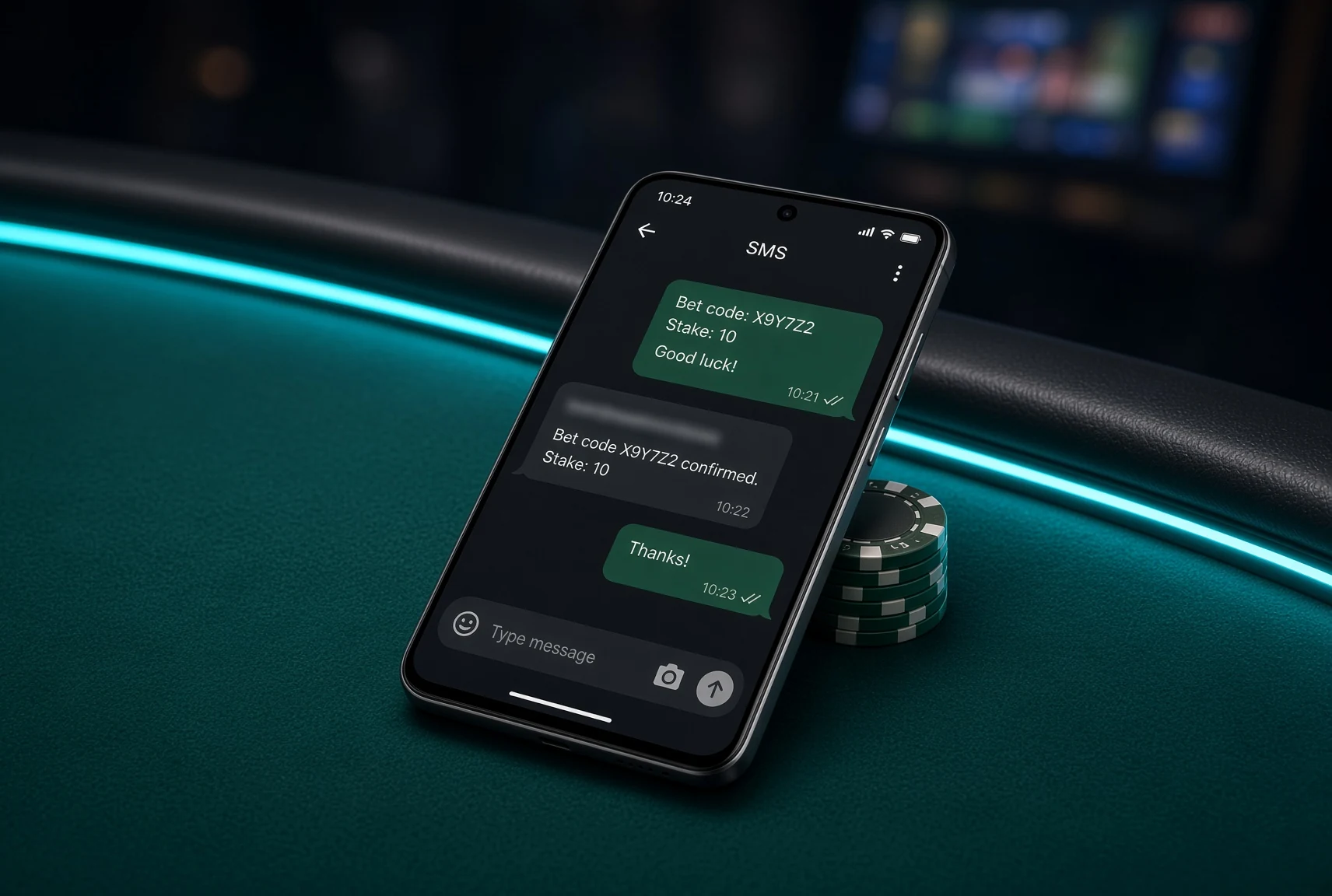
Every operator uses its own syntax, and mixing formats between bookmakers is the most common reason a bet gets rejected. A typical structure looks like this: an abbreviation for the sport, a numeric match ID, a letter representing the market (such as “H” for home win or “O” for over), and the stake value at the end. Spaces matter – some systems reject a message if there’s an extra space or a missing dash, since the parser reads the text literally rather than interpreting intent.
Stake limits are usually lower than online limits, often capped between the local currency equivalent of £1 and £50, because mobile carriers themselves impose a ceiling on premium-rate transactions per billing cycle. Odds displayed in the confirmation reply are locked at the moment the code was generated, not at the moment the bet is settled, so late line movement doesn’t affect an already-confirmed wager.

Rules, Restrictions and Verification
SMS betting inherits every regulatory restriction that applies to the operator’s main platform – age verification, self-exclusion lists, and regional licensing all carry over. What changes is enforcement: since there’s no login screen, the phone number itself becomes the compliance checkpoint. If a SIM card is swapped or a number is ported to a new owner, the account tied to it gets frozen until identity is reconfirmed through the original registration channel.
Message and data charges from the carrier are separate from the stake itself in some countries, meaning a bettor pays both the wager and a standard SMS fee, while in others the stake already includes the messaging cost. This detail varies enough between providers that checking the specific carrier agreement before betting avoids an unexpected deduction.
Betting via SMS Without Internet Access
The appeal of this method is functional, not aesthetic: a 2G signal is enough to send and receive a text, while placing a bet through an app or browser typically needs a stable data connection to load odds in real time. This makes SMS betting relevant in rural regions, during network congestion at major sporting events, or when travelling somewhere with restricted data roaming.
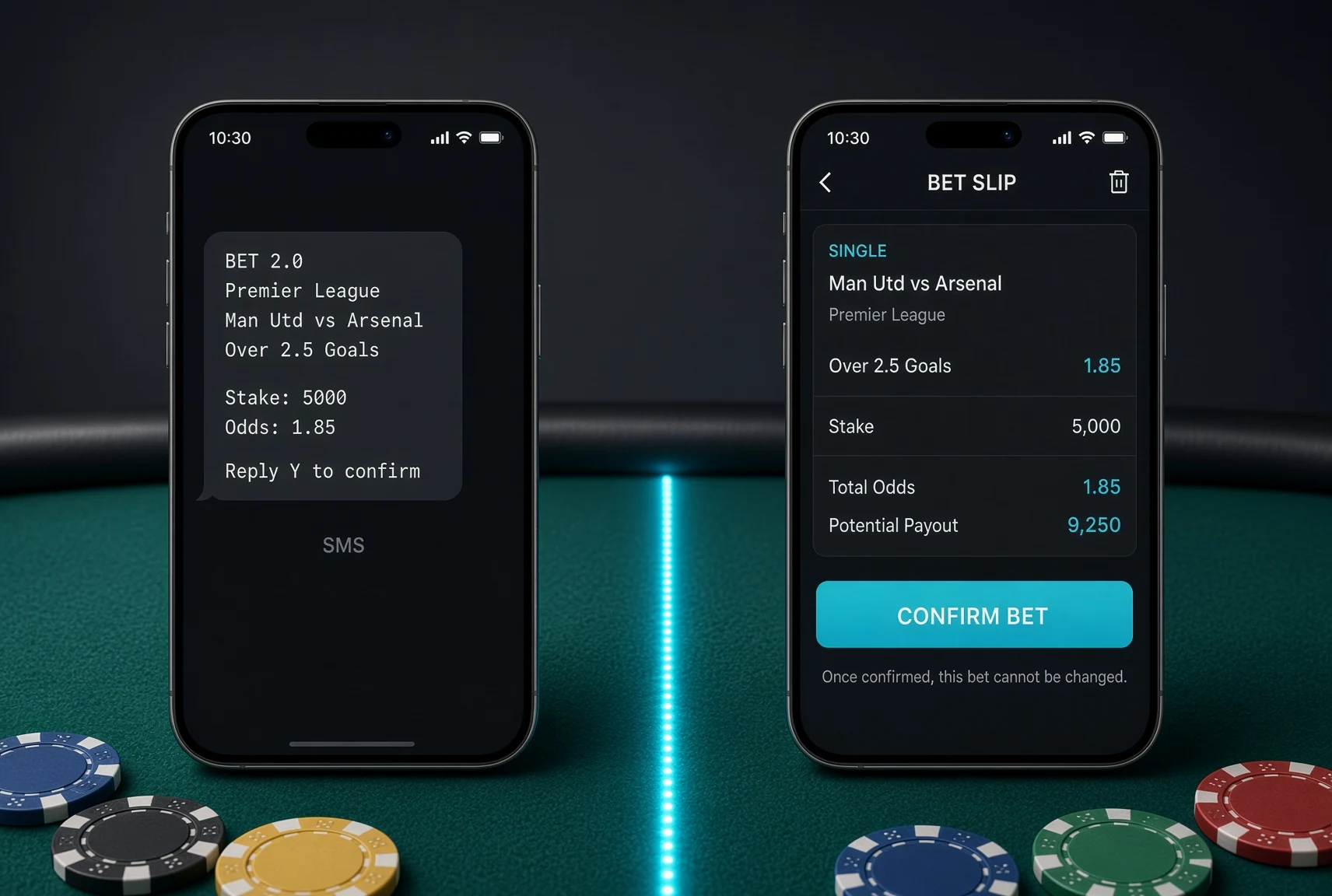
The trade-off is flexibility. Without a visual interface, a bettor can’t browse markets, compare live odds, or build a multi-selection bet on the fly – every code has to be obtained in advance, which usually means checking the odds online before losing connectivity, then sending the bet once offline. It works best as a backup channel rather than a primary one.
Strengths and Limitations of SMS Betting
Where SMS Betting Wins
The method requires no app storage, no browser rendering, and no card details stored on a device, which matters for anyone using a basic handset or worried about payment data on a shared phone. Transactions settle almost immediately, and the billing sits on the phone contract rather than requiring a separate wallet top-up. For bettors in areas with patchy connectivity, it’s often the only real-time option available.
Where SMS Betting Falls Short
Stake caps make it impractical for larger bets, and the fixed message syntax leaves no room for combination bets or in-play adjustments once a code is sent. Carrier fees can quietly increase the effective cost of betting, and support for the feature has been shrinking – several major bookmakers have discontinued SMS betting entirely in favor of lightweight mobile apps that now perform better on low-end networks than they did five years ago.
and Get Your Bonus Today
How to Bet via SMS: Key Points
SMS betting survives as a narrow-purpose tool rather than a mainstream method: reliable when data access fails, restrictive when flexibility is needed. Its value depends entirely on context – a fixed-odds single bet sent from an area with no signal solves a real problem, while anyone with stable internet access will find the same wager faster and more customizable through a standard app. Understanding the syntax, stake limits, and carrier billing terms beforehand is what separates a smooth transaction from a rejected message.