Teen Patti Rules: Hand Rankings and How to Play
Teen Patti is a three-card game played with a standard 52-card deck, where the strongest hand takes the pot. Hands rank from trail down to high card, and betting runs either blind or seen. Below: the full rules, hand rankings and special hands such as 2-3-5.
What Teen Patti Is
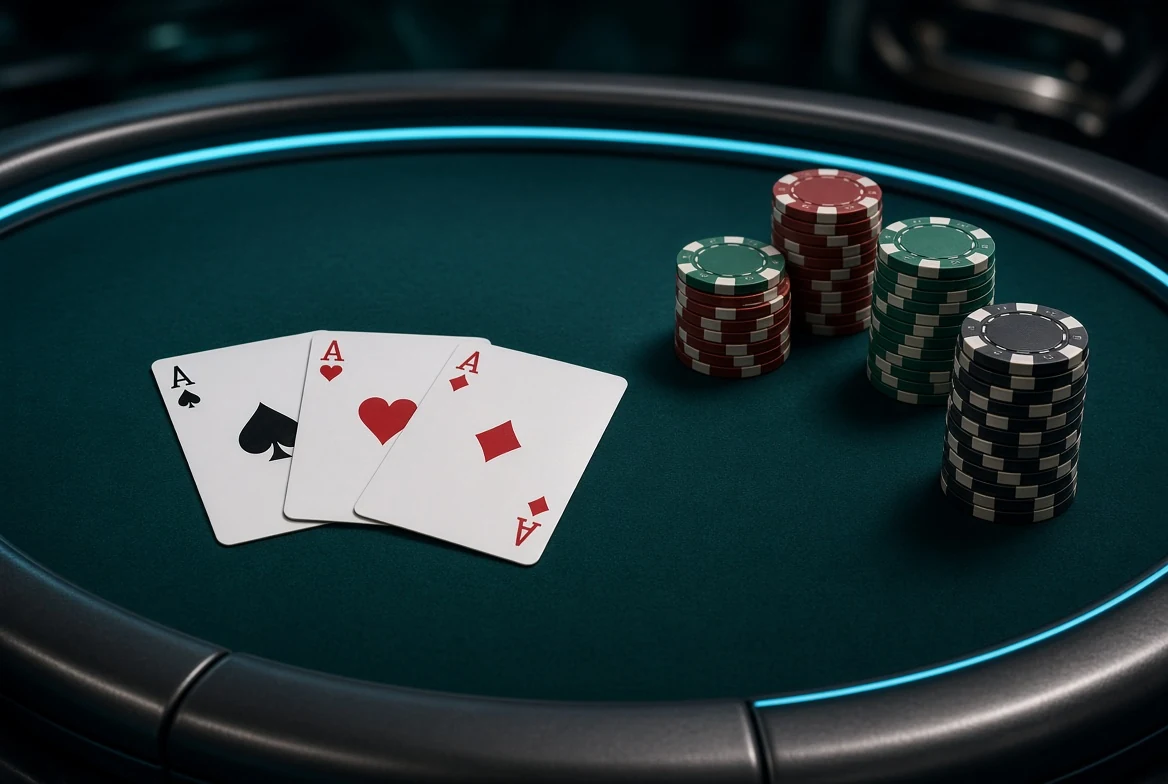
Teen Patti is a three-card comparing game that originated on the Indian subcontinent and shares its structural DNA with British three-card brag. The name itself translates loosely to “three cards,” which describes the entire premise: each player receives three cards from a standard 52-card deck, and the round moves through betting intervals until either a showdown occurs or all but one player folds. Unlike poker variants that stretch across five or seven cards, teen patti rules keep the format tight, which shortens the average round and increases the frequency of decisions per session.
The core objective is to hold the best three-card combination or to convince opponents to abandon the pot before cards are revealed. Betting is arranged around a boot amount – a fixed contribution every player places before cards are dealt – followed by a chaal (call) and raise structure. Players can choose to view their cards (playing “chaal” or seen) or keep them face down (playing “blind”), and this choice directly affects the minimum and maximum bet limits at any given point. This distinction between blind and seen play is one of the mechanical features that separates teen patti from most Western card games, since it introduces a built-in information asymmetry that shapes betting psychology from the first hand.
and Start Winning Today
How a Round of Teen Patti Plays Out
The appeal of teen patti sits largely in how little friction exists between sitting down and playing a hand. There’s no complex card-counting requirement, no multi-street betting logic to memorize, and the entire rule set can be explained to a newcomer in under five minutes. Turns move quickly because each player only has three options at most decision points: fold, call, or raise (with the blind/seen variation layered on top).
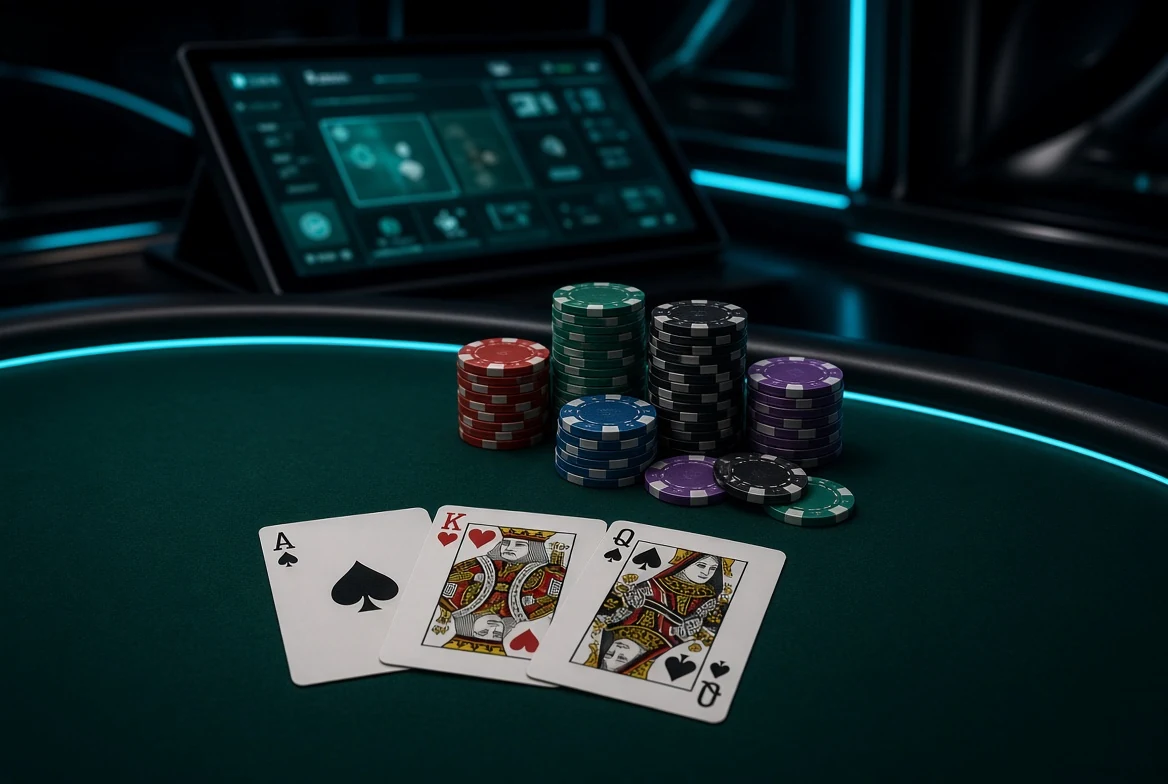
Digital versions built around teen patti rules typically present the table in a single uncluttered screen – cards, pot size, current bet, and player positions are all visible without needing to scroll or tap through menus. Table joins are near-instant on most platforms, and hand resolution (from deal to showdown) rarely takes more than a minute in fast-paced tables. This pacing is what keeps sessions feeling brisk rather than dragged out, especially compared to longer-format card games where a single hand can take several minutes to resolve.
Teen Patti Rules
Boot, Stake and the Pot
Visual treatments of teen patti generally lean into two directions: a stripped-down felt-table aesthetic reminiscent of a home card night, or a more ornate presentation featuring gold accents, patterned backgrounds, and regional motifs tied to South Asian card culture. Card faces are almost always rendered in high contrast for quick suit and rank recognition, since the game’s pace doesn’t allow for squinting at ambiguous artwork. Avatar customization and table skins are common cosmetic layers, but they don’t alter how the cards or betting function.
Blind, Seen, Chaal and Show
Audio design in most teen patti implementations centers on tactile feedback – chip-clinking sounds for bets, a distinct card-flip effect at showdown, and short victory jingles when a hand resolves. These cues matter more than they might seem: because the betting rounds move fast, sound acts as a confirmation layer that a raise or fold has actually registered, reducing the chance of a player misreading the table state. Ambient background music tends to stay low-key and loopable, avoiding the kind of dramatic swells found in slot machine soundtracks, since the tension in teen patti is meant to come from the bets themselves rather than sound design.
Teen Patti Hand Rankings
| Rank | Hand | What it is |
|---|---|---|
| 1 | Trail (trio) | three cards of the same rank |
| 2 | Pure sequence | three consecutive cards of the same suit |
| 3 | Sequence (run) | three consecutive cards, mixed suits |
| 4 | Colour | three cards of one suit, not consecutive |
| 5 | Pair | two cards of the same rank |
| 6 | High card | none of the above |
Trail, Pure Sequence, Sequence and Colour
Teen patti doesn’t use symbols in the way slot machines do; instead, its “symbols” are the standard card ranks and suits, each carrying weight based on the hand hierarchy. Aces sit at the top for high-card and pair purposes but also complete the lowest straight (A-2-3), giving them dual functionality that new players often overlook. Suits themselves carry no ranking value against each other – a flush in hearts beats a pair regardless of suit, but a flush in hearts does not beat a flush in spades of equal card value.
Special Hands: 2-3-5 and Counter Rules
Because teen patti is a wagering card game rather than a slot mechanic, it doesn’t include free spins in the traditional sense. What it does offer, particularly in app-based and live-dealer formats, are side bets and variant modes – such as “Muflis” (where hand rankings invert and the lowest hand wins) or “AK47” (where specific cards are wild). Some platforms also run periodic tournament formats with fixed buy-ins, functioning as a structural bonus layer that sits outside standard cash-table play.
What Each Hand Is Worth
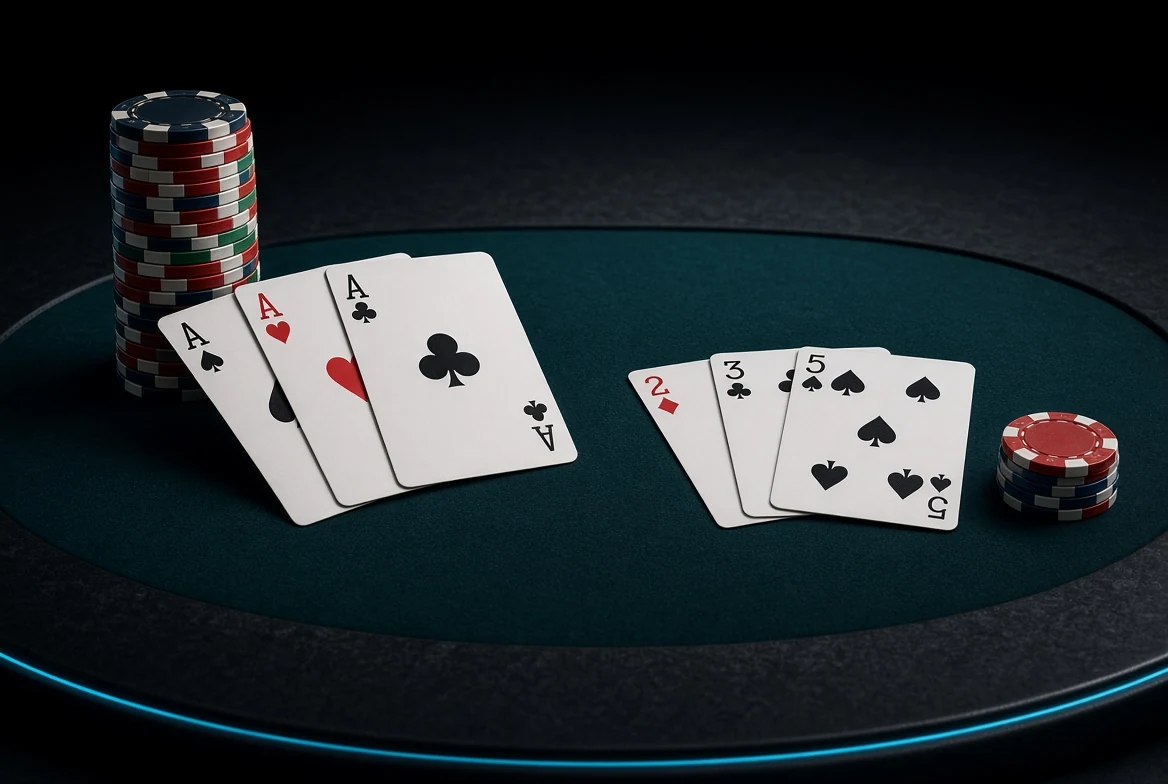
Hand rankings in teen patti run, from highest to lowest: Trail or Set (three of a kind), Pure Sequence (a straight in the same suit), Sequence (a straight across mixed suits), Color (three cards of the same suit, not in sequence – commonly called a flush in teen patti), Pair (two cards of matching rank), and High Card. A trail of three aces is the strongest possible hand, while a high card of 2, 3, and 5 in mixed suits with no pair – often referenced as the 2 3 5 combination – sits among the weakest hands a player can hold, since it forms neither a sequence nor a pair. Payouts scale with the pot built during betting rather than a fixed multiplier table, meaning the “prize” in teen patti is a direct function of how much was wagered before the showdown, not a predetermined return rate.
Jackpot and Bonus Bets in Online Teen Patti
Certain teen patti variants introduce a progressive side-pot, sometimes called a jackpot pool, funded by a small mandatory contribution from every player each round. This pool typically pays out to players who hit rare hands – a pure sequence or a trail – regardless of whether they win the main pot. It functions independently of the primary betting structure, meaning a player can lose the hand outright yet still collect a jackpot payout if their three cards qualify.
Teen Patti on Mobile Apps
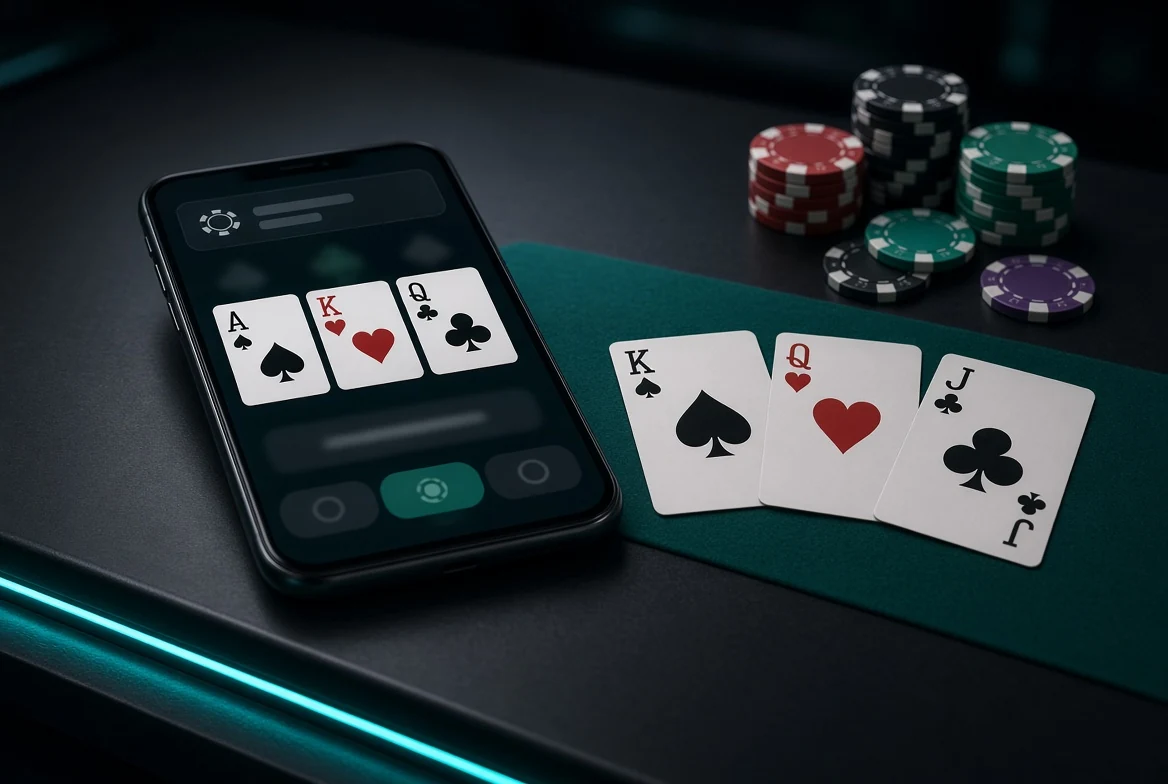
Most teen patti platforms are built mobile-first rather than adapted from desktop layouts, which shows in how betting controls are positioned within thumb-reach on both Android and iOS interfaces. Load times for table entry are typically under three seconds on a standard 4G connection, and the game’s low graphical overhead – no spinning reels, no heavy particle effects – means it runs smoothly even on older or budget-tier devices. Orientation is almost universally locked to portrait mode, which matches how the game is actually played in single-hand sessions on a phone.
Teen Patti: Advantages and Drawbacks
Why Teen Patti Is Easy to Pick Up
The blind/seen betting mechanic gives teen patti a bluffing layer that’s rare in fast three-card formats, rewarding table awareness over pure card strength. Round length is short enough that players can fit in several hands during a brief break, and the rule set has almost no learning curve compared to multi-round poker variants. Side variants like Muflis add genuine strategic variety without requiring a new rule set to be memorized from scratch.
Where New Players Lose Chips
The reliance on pot-based payouts rather than fixed odds means outcomes are harder to predict mathematically compared to games with published RTP figures. Blind betting can also inflate pots quickly among aggressive players, which sometimes pushes cautious players out of hands before they’ve had a fair chance to assess their position. Additionally, because so much of the game hinges on social/psychological reading of opponents, solo or low-population tables can feel flat compared to a full, active table.
and Get Your Bonus Today
Teen Patti Rules: Key Points
Teen patti rules trade complexity for pace – three cards, a handful of decisions, and a hand hierarchy that rewards both card strength and betting nerve. Its structure sits closer to a bluffing duel than a probability puzzle, which is exactly what keeps repeat sessions from feeling repetitive. Whether played casually or through structured tournament formats, its short round length and clear hand rankings make it one of the more approachable card games to pick up without sacrificing strategic depth.