What Is Teen Patti Called in English?
Teen Patti carries a literal English translation: “three cards.” The word “teen” is Hindi for three, and “patti” refers to a card or a folded strip of paper – a nod to how playing cards were historically improvised in rural India. Outside South Asia, the game rarely keeps its original name. Casino menus, mobile apps, and card rooms in English-speaking markets tend to relabel it as Indian Poker, Three Card Poker, or simply Flush, depending on the platform and audience. None of these labels is officially standardized, which is exactly why the question “what is teen patti called in English” keeps surfacing among players trying to find the same game under a different name.

What Teen Patti Is Called in English
Teen Patti is a three-card betting game played with a standard 52-card deck, typically involving three to six players seated around a pot. Each participant receives three cards face down, and betting proceeds in rounds until a showdown or a fold-out determines the winner. The structure resembles poker in spirit but diverges sharply in scoring: there’s no drawing, no community cards, and hand values follow a fixed hierarchy unique to this format.
Its lineage traces back to British three-card brag, introduced during colonial-era India and reshaped over generations into a distinct social and gambling tradition. Today it appears in home games, live casino floors, and digital platforms across India, Nepal, Bangladesh, and diaspora communities in the UK, Canada, and the Gulf states. The English terminology varies by region, but the underlying mechanics stay consistent regardless of what the game is called on a given app or website.
and Start Winning Today
How the Game Works in One Minute
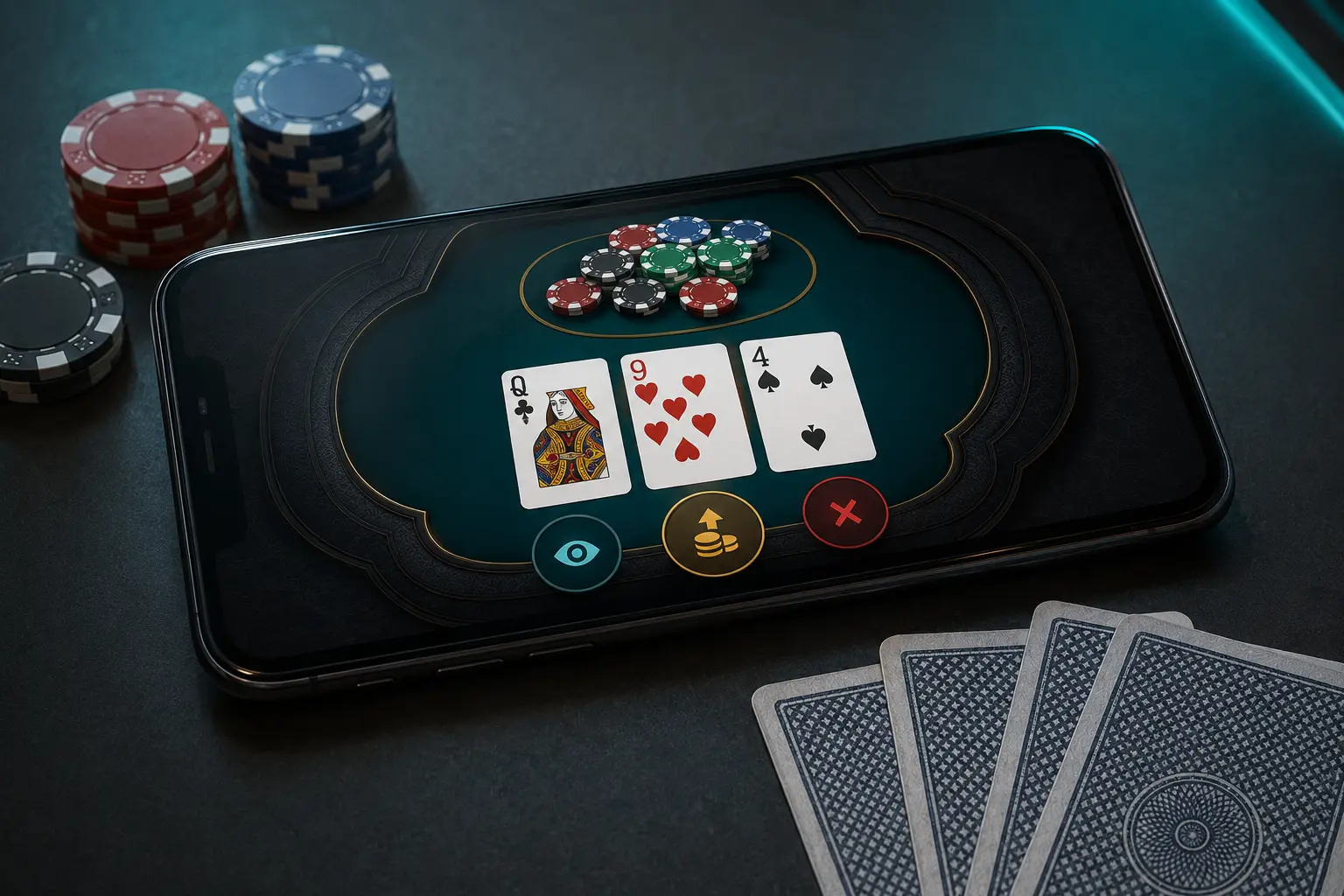
A single hand of Teen Patti resolves in under a minute once players commit to betting or folding, which keeps table turnover brisk compared to multi-street poker variants. There’s no need to memorize drawing rules or positional strategy nuances – three cards are dealt, and decisions happen almost immediately. This simplicity is part of why the game translates well to mobile interfaces, where screen space is limited and quick-tap betting controls matter more than layered menus.
Digital versions typically strip the rules down to a few on-screen prompts: bet, see, or fold. New players can grasp table flow within a couple of hands, without needing a glossary of English hand names memorized in advance. This low barrier to entry is a separate advantage from payout mechanics or visual polish – it’s purely about how quickly someone unfamiliar with the game can start playing without confusion.

Teen Patti Hand Names in English
Trail, Pure Sequence and Sequence
Most Teen Patti apps lean into a green-felt casino aesthetic, mimicking a physical card table with stylized chip stacks and dealer avatars. Some regional versions incorporate Indian motifs – ornate borders, festival-themed backgrounds during Diwali, or Bollywood-inspired character skins for player avatars. Card face design stays close to standard Western decks, since hand recognition depends on suit and rank clarity rather than decorative flourishes.
Higher-budget platforms render 3D chip animations and table textures with depth shading, while budget or older builds rely on flat 2D sprites. The visual gap between these tiers is often the clearest signal of which version of the game a player has downloaded, independent of how the rules themselves are labeled in English.
Colour, Pair and High Card
Ambient table chatter, chip-clinking sound effects, and a dealer’s voice announcing “show” or “pack” build a layer of immersion separate from visuals. Some apps allow voice chat between players at a virtual table, replicating the social banter typical of in-person Teen Patti sessions in Indian households. Sound cues also serve a functional role – a distinct audio ping for a winning hand versus a folding action helps players track game state without constantly watching the screen.
This auditory layer is what most differentiates a lively, socially-oriented app from a sterile, mechanical one, even when both offer identical odds and payout structures underneath.

Teen Patti Terms in English
Cards, Boot and Pot Explained
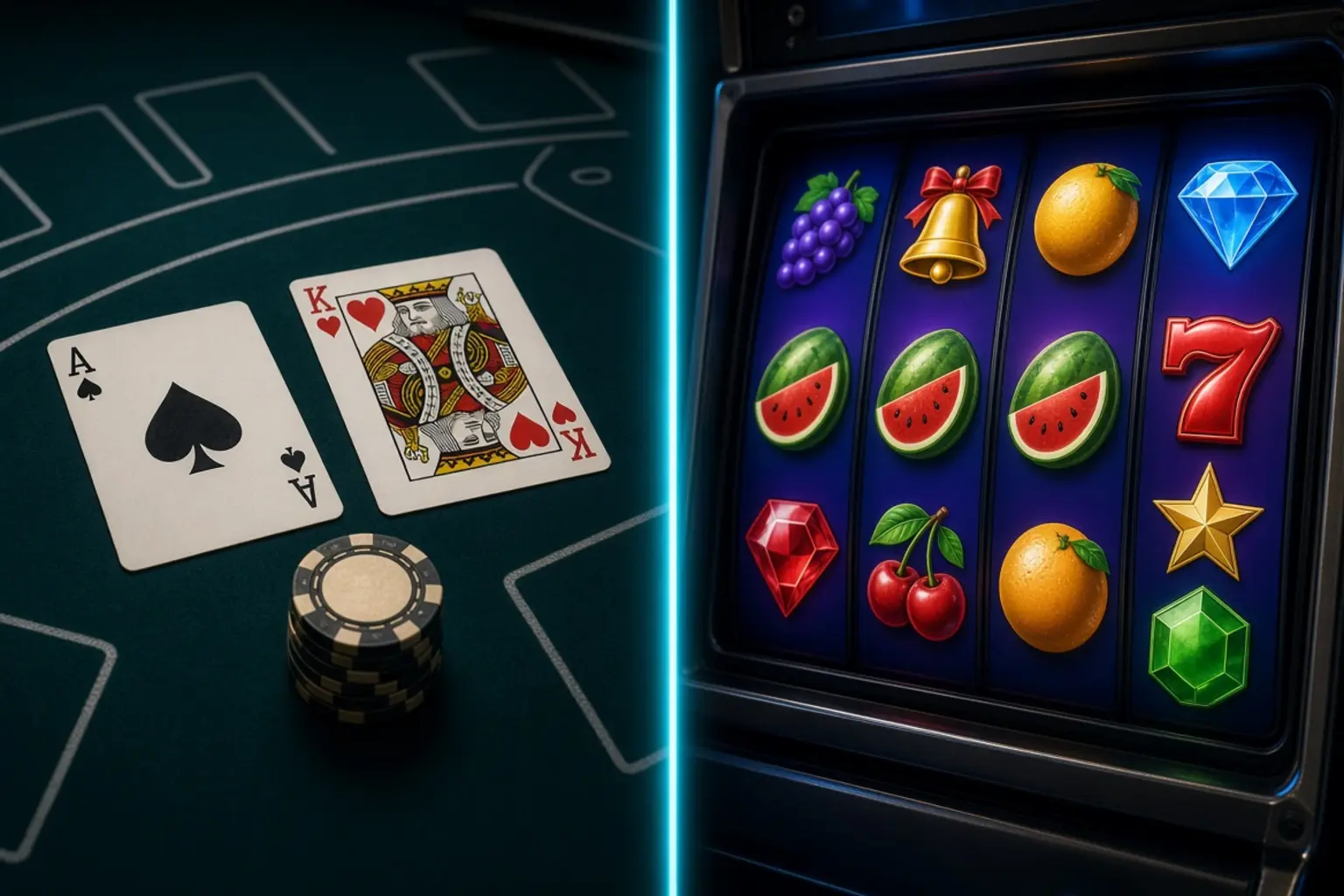
Since Teen Patti uses standard playing cards rather than slot-style symbols, its “symbols” are the card ranks and suits themselves – Ace through King across four suits. There are no wilds, scatters, or multiplier icons in traditional Teen Patti; the entire value system rests on the combination of three cards a player holds. Some hybrid mobile versions borrow slot terminology loosely, layering in cosmetic card-back designs or suit icons tied to seasonal promotions, but these don’t alter core scoring.
Blind, Seen, Chaal and Side Show
Classic Teen Patti has no free spins mechanic, since it isn’t a reel-based game. Instead, bonus features usually appear as side bets – for instance, a “Pair Plus” wager where players bet separately on whether their hand will contain at least a pair, independent of the main pot outcome. Some app-based versions introduce jackpot side bets that trigger a mini-game or multiplier round when a rare hand like a Trail appears. These additions function as optional layers on top of the base game rather than replacing standard betting rounds.
Hand Rankings and What They Pay
Hand rankings in Teen Patti, translated into English terms, run from highest to lowest as follows: Trail (three of a kind), Pure Sequence (a straight flush – three consecutive cards of one suit), Sequence (a straight across mixed suits), Color (a flush without sequential order), Pair, and High Card. Understanding what a Pure Sequence means in Teen Patti matters directly for payout calculations, since side bets often assign specific multipliers to each tier – a Trail might pay 4:1 or higher on a side wager, while a Pure Sequence typically sits just below it, often around 3:1 depending on house rules. These multipliers vary by platform, so the paytable should always be checked before wagering on side bets rather than assumed from general hand rankings.
Jackpot and Bonus Bets in Online Teen Patti
Progressive jackpots in Teen Patti apps are usually funded through a small percentage taken from each side bet placed across the player pool, rather than from the main pot itself. A jackpot typically triggers when a player hits a Trail of a specific rank, such as three Aces, and the payout scales with how much has accumulated in the shared pool at that moment. This structure means jackpot odds are independent of a player’s skill at bluffing or betting strategy – it’s purely a function of the cards dealt and how the side-bet contribution pool has grown.
Teen Patti in English on Mobile Apps
Teen Patti apps run comfortably on mid-range Android devices, given the game’s low graphical demands compared to slot titles with heavy animation loads. Most platforms are built as lightweight APKs or browser-based HTML5 games, meaning storage requirements rarely exceed 100-150MB even with regional graphic packs installed. iOS versions are less common due to app store restrictions on real-money gambling content in several jurisdictions, pushing many Teen Patti platforms toward browser play on Safari rather than native App Store downloads. Loading times and table synchronization tend to hold up well even on slower mobile data connections, since the core data exchanged per hand – three cards and a bet amount – is minimal compared to video-based casino games.
Playing Teen Patti in English: Pros and Cons
Why the English Names Are Worth Learning
The short hand duration makes Teen Patti suitable for quick sessions between other activities, unlike longer-format poker games that demand sustained attention. Its rule set is compact enough to teach a new player in under five minutes, which supports its popularity at family gatherings and casual social settings beyond formal casino environments. The side-bet structure also gives players a way to engage with jackpot-style payouts without abandoning the core three-card format they’re used to.
Where Translations Cause Confusion
The game’s simplicity caps its strategic depth compared to multi-round poker variants – there’s less room for skill expression once the three cards are dealt, since no further cards are drawn. English-language naming inconsistency across platforms (Indian Poker, Three Card Poker, Flush) can genuinely confuse newcomers searching for reviews or rule guides, since search results for each term don’t always point to the same game. Additionally, side-bet jackpot odds are often weighted heavily against the player, with house edges on Pair Plus-style wagers sometimes exceeding those of the main game by a significant margin.
and Get Your Bonus Today
Teen Patti in English: Key Terms
Teen Patti’s English identity is fragmented by design – no single translated name has become dominant, so the game circulates under at least three or four different labels depending on where it’s marketed. What stays constant is the three-card format, the fixed hand hierarchy topped by Trail and Pure Sequence, and a betting rhythm built for speed rather than prolonged strategic play. Anyone comparing Teen Patti terms in English across different apps should focus less on what the game is called and more on whether the hand rankings and side-bet payouts match the standard structure described above.