How to Play Jackpot Games Online: Rules and Tips
To play a jackpot game you open a slot or table game with a jackpot attached, check the minimum qualifying bet, then play the base game until the jackpot triggers – usually at random or through a bonus round. Below: the rules, the jackpot tiers and how eligibility works.
What a Jackpot Game Is
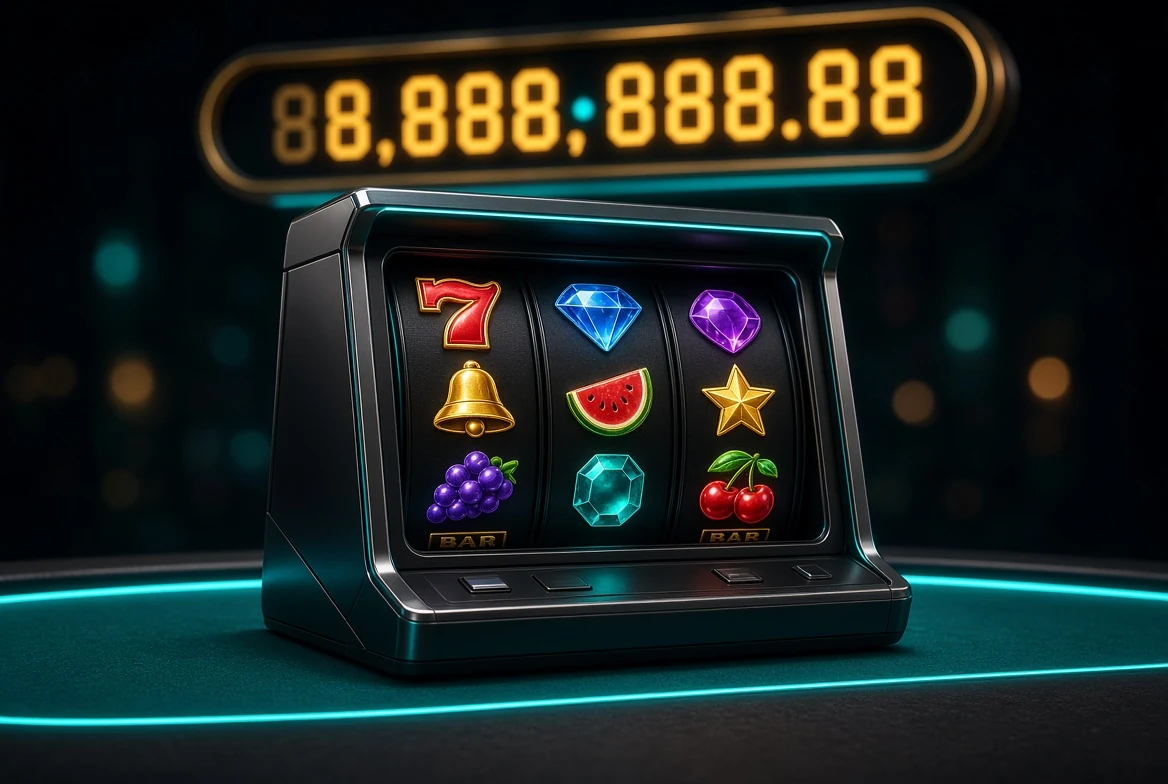
A jackpot game is built around one mechanic that separates it from a standard slot: a portion of every wager, or a fixed pool set by the operator, feeds a prize that grows or resets according to specific triggers. Knowing how to play jackpot titles starts with understanding that structure, because the base game often looks identical to any other slot machine – same reels, same paylines, same RTP disclosures – but the prize pool behaves independently from the spin outcome itself.
There are two dominant formats. A fixed jackpot pays a set amount regardless of how long the game has been live. A progressive jackpot pools contributions from multiple players, sometimes across an entire network of casinos, until someone triggers the win condition. Networked progressives can reach amounts that dwarf a single casino’s standalone pool, which is why they attract the most attention, but they also come with lower individual odds since thousands of players are drawing from the same pot.
Positioning matters here: jackpot slots are not a separate genre from regular slots in terms of gameplay. They are a monetization layer added on top of existing mechanics – classic three-reel formats, video slots with five reels, or even table-game variants like jackpot roulette. The core question for a new player isn’t “how is this different to play” but “what triggers the jackpot, and what’s the actual cost of chasing it.”
and Start Winning Today
How to Find and Open a Jackpot Game
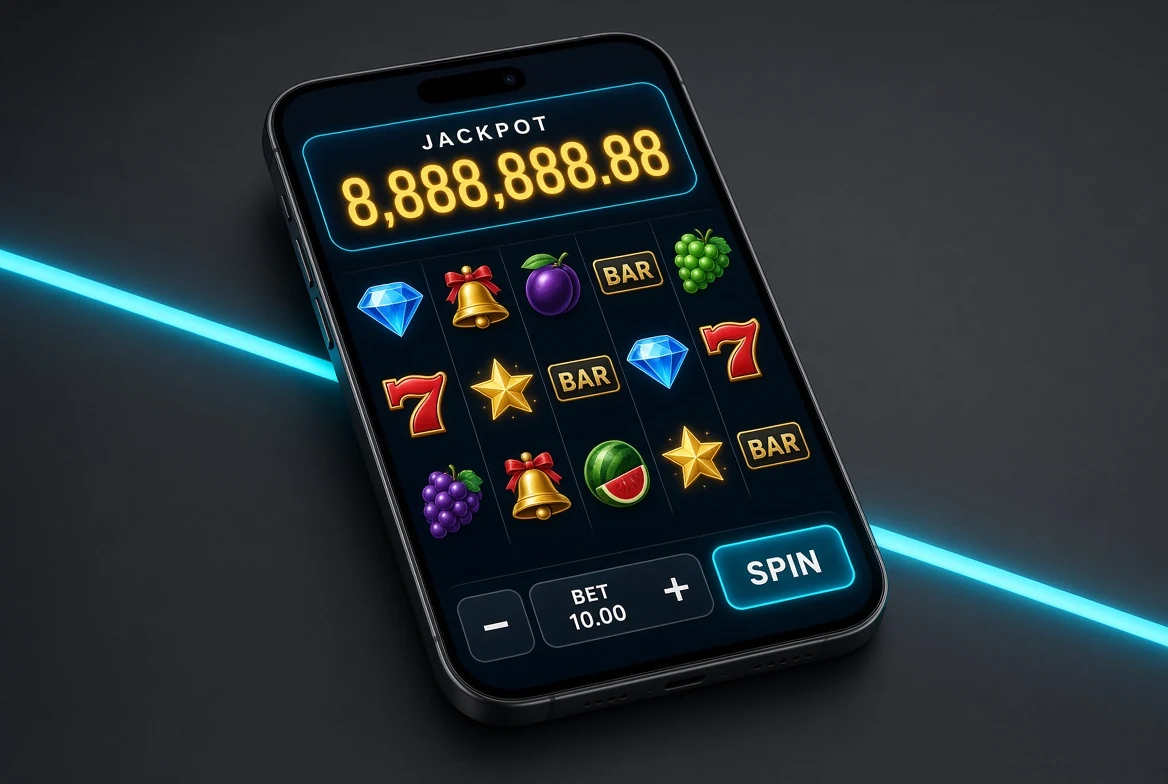
Loading a jackpot game typically takes no longer than opening any other title in a casino lobby – there’s no separate client, no additional plugin, and no mandatory registration step beyond what the platform already requires. The interface layer is usually stripped down to essentials: a spin button, a bet adjuster, and a jackpot meter displayed either above the reels or in a side panel that ticks upward in near real time.
What differs from a standard slot session is the visibility of the meter itself. Because the jackpot value is the entire selling point, developers place it prominently, often with an odometer-style animation so players can track growth without opening a separate menu. This reduces friction: there’s no need to check a paytable to know where the current jackpot stands.
Autoplay and quick-spin functions work the same way they do in non-jackpot games, though some platforms disable autoplay above a certain bet threshold specifically for jackpot-eligible titles, since regulators in several jurisdictions require active confirmation before a bet that qualifies for a life-changing prize.
Jackpot Game Rules
Fixed, Progressive and Must Drop Jackpots
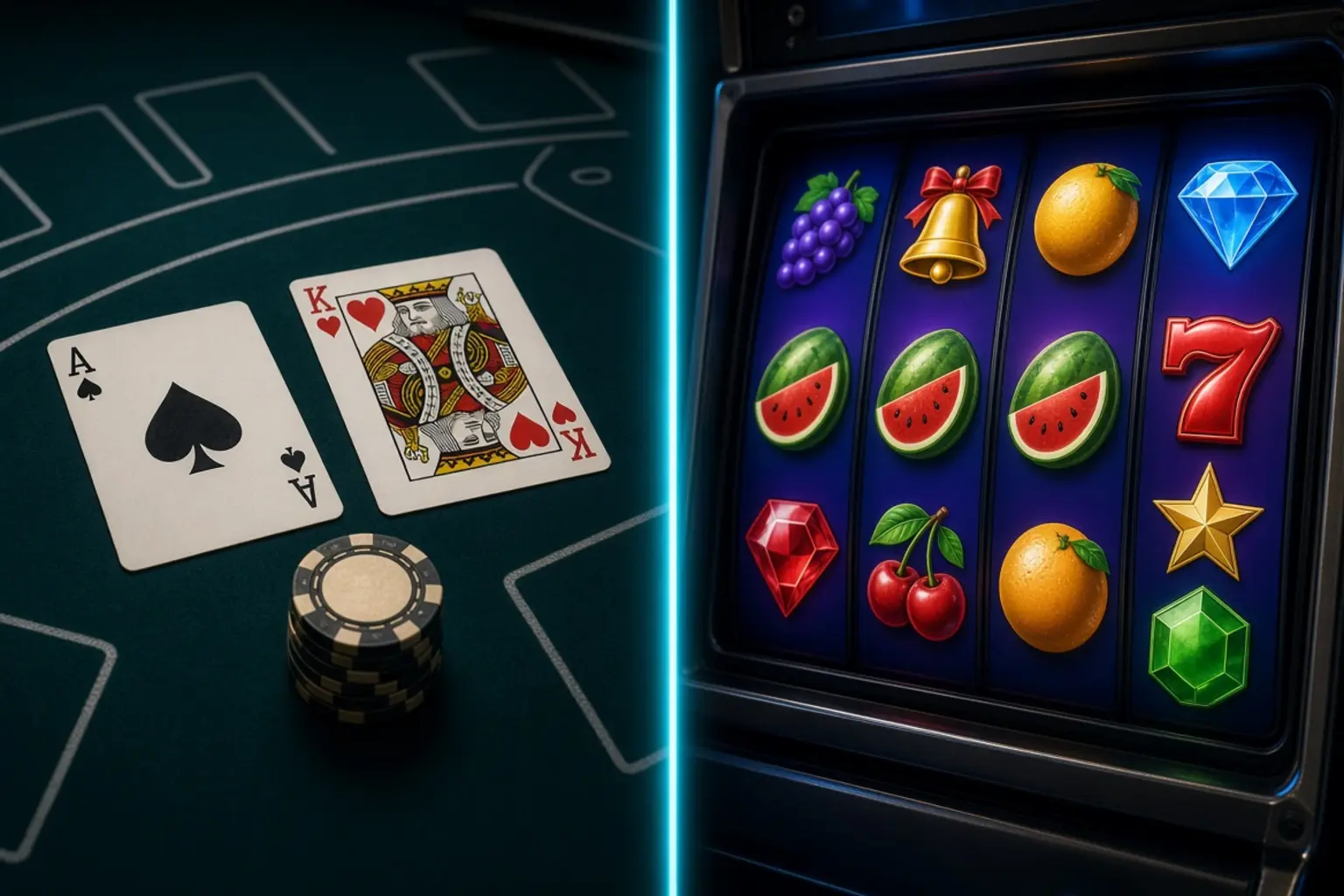
Jackpot slots skew toward two visual directions: opulent, gold-and-diamond aesthetics that reinforce the size of the prize, or a stripped-back, retro-fruit-machine look that leans on nostalgia rather than spectacle. Networked progressives – the kind shared across dozens of casinos – tend to favor the former, since the visual language needs to communicate scale to players unfamiliar with the specific title.
Standalone jackpot games have more creative range because the developer isn’t bound to a shared brand template. This is where you’ll find themed variations – Egyptian, mythological, adventure-based – where the jackpot element is a layer added to an otherwise unrelated visual world.
Bet Size and Jackpot Eligibility
Audio design in jackpot titles is engineered around anticipation. Spins near a jackpot trigger – such as during a bonus round that might award the top prize – often introduce a rising audio cue absent from the base game. This is a deliberate pacing tool: the sound intensifies before the outcome is revealed, creating a beat of suspense that a flat, non-progressive slot doesn’t need.
Some titles mute regular spin sounds once the jackpot bonus is triggered, isolating the moment from the rest of the session. It’s a small design choice, but it changes how the win registers psychologically – the shift in audio tells the player something rare is happening before any numbers appear on screen.
Symbols, Triggers and Bonus Rounds
Which Symbols Award the Jackpot
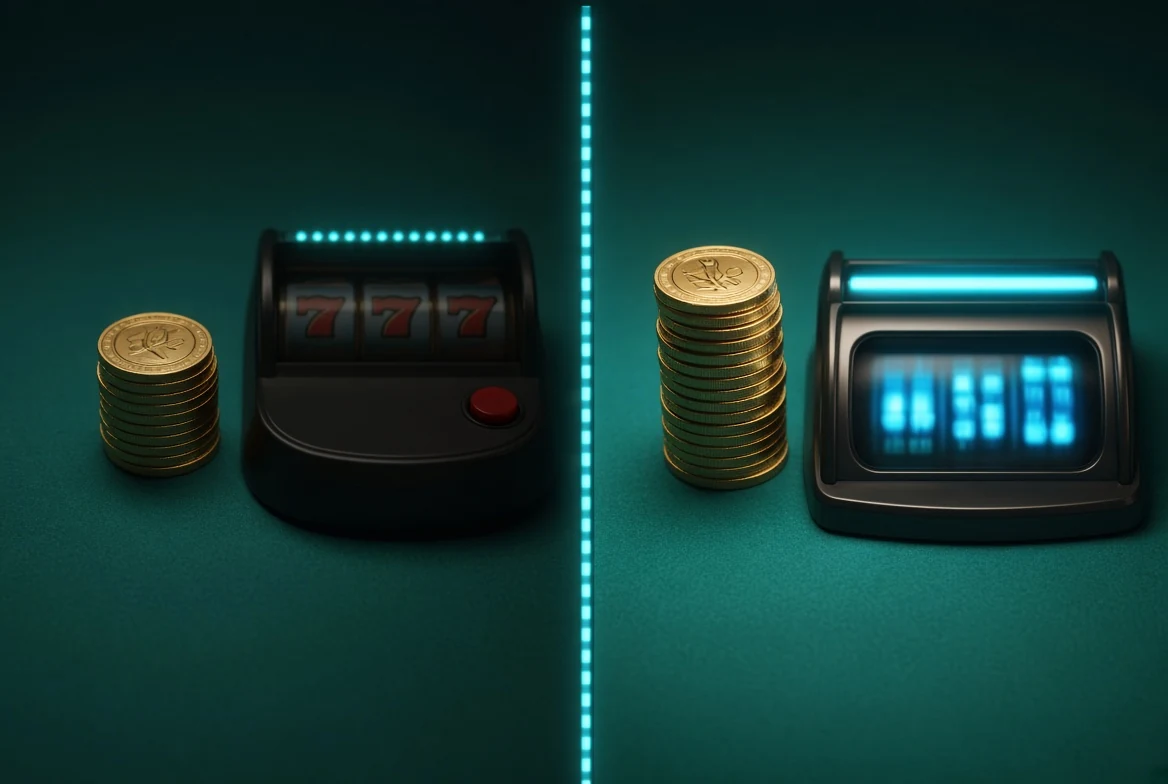
Jackpot symbols usually exist as a distinct category from wilds or scatters, though their visual design often borrows from both. In many titles, a specific jackpot icon must land in a set pattern – three or more on a payline, or scattered anywhere on the grid – to unlock the jackpot bonus round. In other formats, the jackpot isn’t tied to a symbol at all; it’s awarded randomly after any spin, regardless of the outcome shown on the reels.
This distinction matters practically: a symbol-triggered jackpot rewards pattern recognition and can be tracked through the paytable, while a random-trigger jackpot (sometimes called a “mystery” jackpot) offers no visual cue and can hit on a losing spin.
Jackpot Wheels and Pick-Me Rounds
When a jackpot is tied to a bonus round rather than a direct symbol combination, the round itself usually takes the form of a picking game – a grid of concealed values where a subset lead to jackpot tiers. Free spins in jackpot titles are frequently separated from the jackpot mechanic entirely; they boost the base game’s payout potential but rarely feed directly into the jackpot pool.
Some hybrid designs link the two: landing a free spins trigger during specific conditions (often called a “must-hit-by” state) guarantees a jackpot payout within that session, a mechanic increasingly common in modern progressive titles designed to prevent indefinite jackpot growth.
Paytables and Jackpot Tiers
The paytable in a jackpot slot lists the base-game payouts exactly as it would in a non-jackpot title, but jackpot-specific rows are typically separated visually, often with a distinct color or icon border. Reading this section correctly means checking whether the jackpot value listed is fixed or displayed as “current” – a live figure updated per network contribution.
Winning combinations for the base game follow standard slot logic – matching symbols on active paylines, left to right in most cases. The jackpot combination, when symbol-based, is usually the rarest entry in the entire paytable, appearing at the very top with no fixed monetary value listed, since progressive amounts change constantly.
How the Jackpot Pool Builds and Pays
Jackpot logic generally falls into four models: fixed, progressive, must-hit-by, and randomly-triggered. A fixed jackpot pays the same figure every time it’s won and resets identically. A progressive jackpot grows with each bet placed across the eligible player pool until triggered, then resets to a seed value. A must-hit-by jackpot displays a ceiling – a value the pool cannot exceed before a win is forced – which changes the math of when the jackpot is statistically “due,” though this shouldn’t be mistaken for predictability.
Randomly-triggered jackpots operate independently of bet size in many jurisdictions but require a minimum stake in others, so checking the game’s specific terms before playing for the jackpot pool is not optional – it’s the difference between qualifying for the prize and simply playing the base game underneath it.
How to Play Jackpot Games on Mobile
Jackpot titles run through the same HTML5 frameworks as standard mobile slots, meaning there’s no dedicated app requirement for most operators. Performance differences show up mainly in jackpot meter rendering – the live-updating counter can lag slightly on older devices or slower connections, since it pulls data from a shared network rather than rendering locally like the reels do.
Touch controls for bonus-round picking games translate cleanly to mobile, though grid-based jackpot bonus rounds sometimes require zooming on smaller screens to distinguish between adjacent tiles. Battery consumption tends to be marginally higher during active jackpot bonus rounds due to the additional animation layers running simultaneously with the live meter.
Jackpot Games: Advantages and Drawbacks
Why Jackpot Games Are Worth a Session
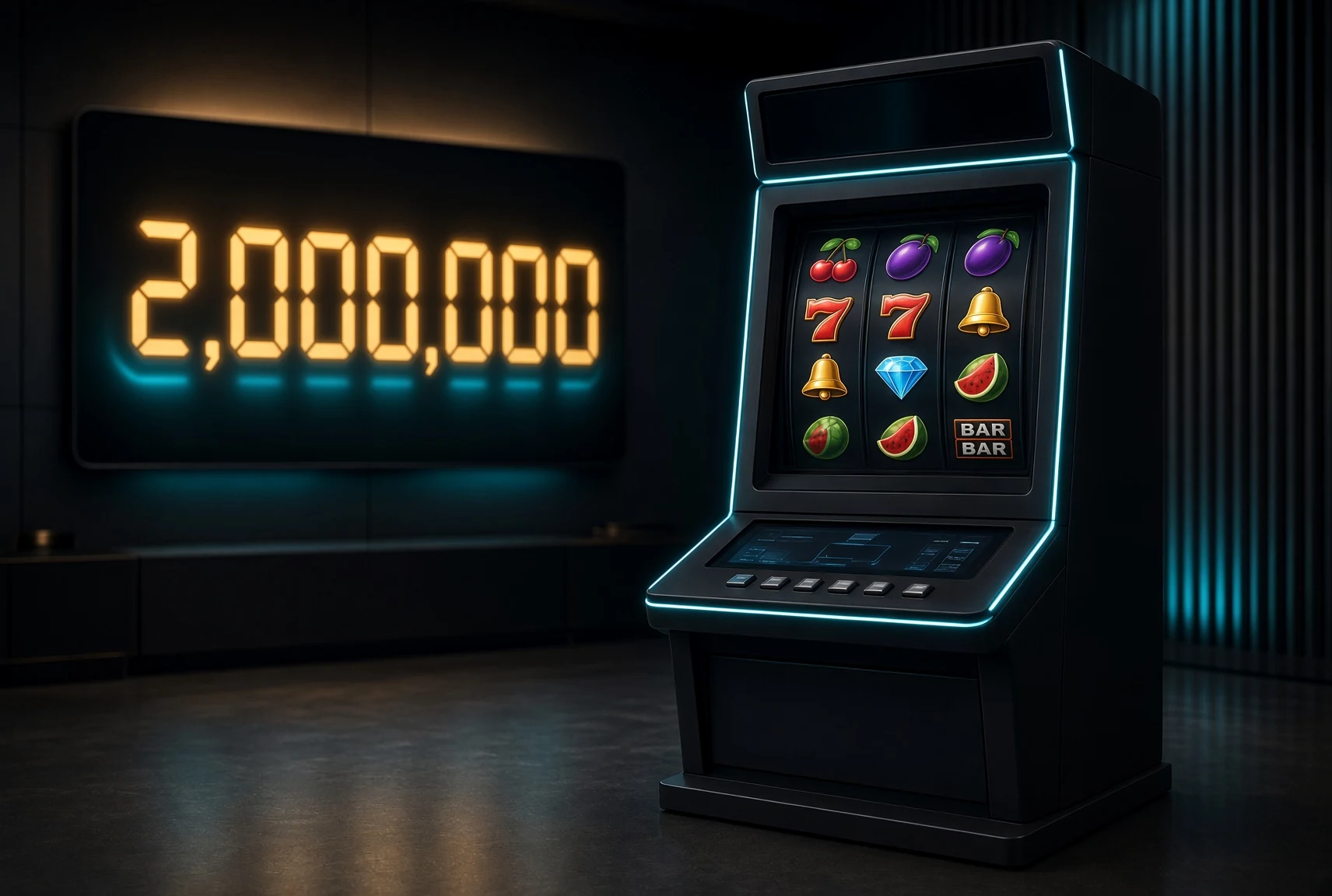
Progressive jackpot pools scale with network size, meaning a widely distributed title can reach prize values a standalone game never could, regardless of how long it’s been live. The live meter provides transparency that a hidden RNG-based random reward system doesn’t – players can see the exact figure at stake before committing a spin.
Must-hit-by mechanics remove the indefinite uncertainty of older progressive designs, giving players visibility into the maximum ceiling a jackpot can reach before triggering, which shapes bankroll decisions in a way pure random systems don’t allow.
What Chasing a Jackpot Costs
Progressive jackpot odds are, mathematically, worse than the odds of hitting any single symbol combination in the base game – the rarity that fuels the prize size is the same rarity that makes it an unrealistic primary strategy. Minimum bet requirements for jackpot eligibility are a frequent point of confusion; many players spin at reduced stakes without realizing they’ve excluded themselves from the jackpot pool entirely.
Volatility in jackpot slots is typically higher than in standard titles, since a portion of the RTP is redirected toward the jackpot pool rather than the base-game payout table, which can make regular sessions feel less rewarding compared to non-jackpot alternatives at a similar stake.
and Get Your Bonus Today
How to Play Jackpot Games: Key Points
Playing a jackpot game well comes down to three checks before the first spin: confirming whether the jackpot is fixed, progressive, or must-hit-by; verifying the minimum bet required for jackpot eligibility; and reading the paytable closely enough to know whether the jackpot triggers through a symbol pattern or a random mechanic hidden from view. None of this changes the base-game odds, but it changes whether a session is actually contributing toward the prize being advertised on the meter.