DAS in Blackjack: Double After Split Rule Explained
DAS in blackjack stands for Double After Split: a table rule that lets you double down on a hand created by splitting a pair. It is worth roughly 0.14% to the player, so a DAS table is always the better choice. Below: how the rule works and which pairs benefit most.

What DAS in Blackjack Means
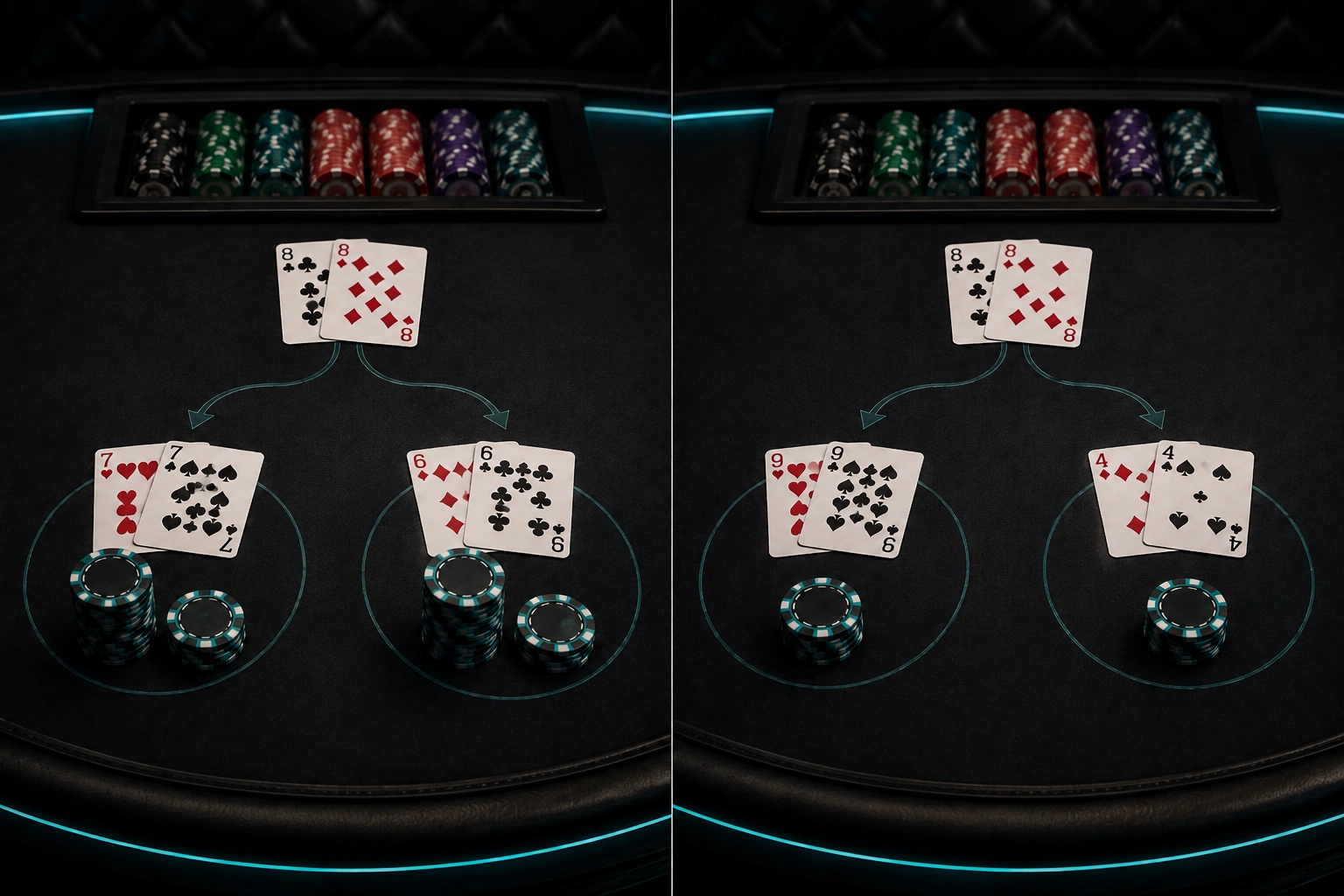
DAS stands for Double After Split, a rule variation printed directly on blackjack table felts or listed in the rules section of an online table. When a table permits DAS, a player who splits a pair into two separate hands retains the right to double the wager on either of those resulting hands, provided the two cards dealt still meet the doubling criteria the house allows. Without DAS, splitting a pair forces the player to simply hit or stand on each new hand, losing the option to press the bet even when the second card creates a strong total such as 9, 10, or 11.
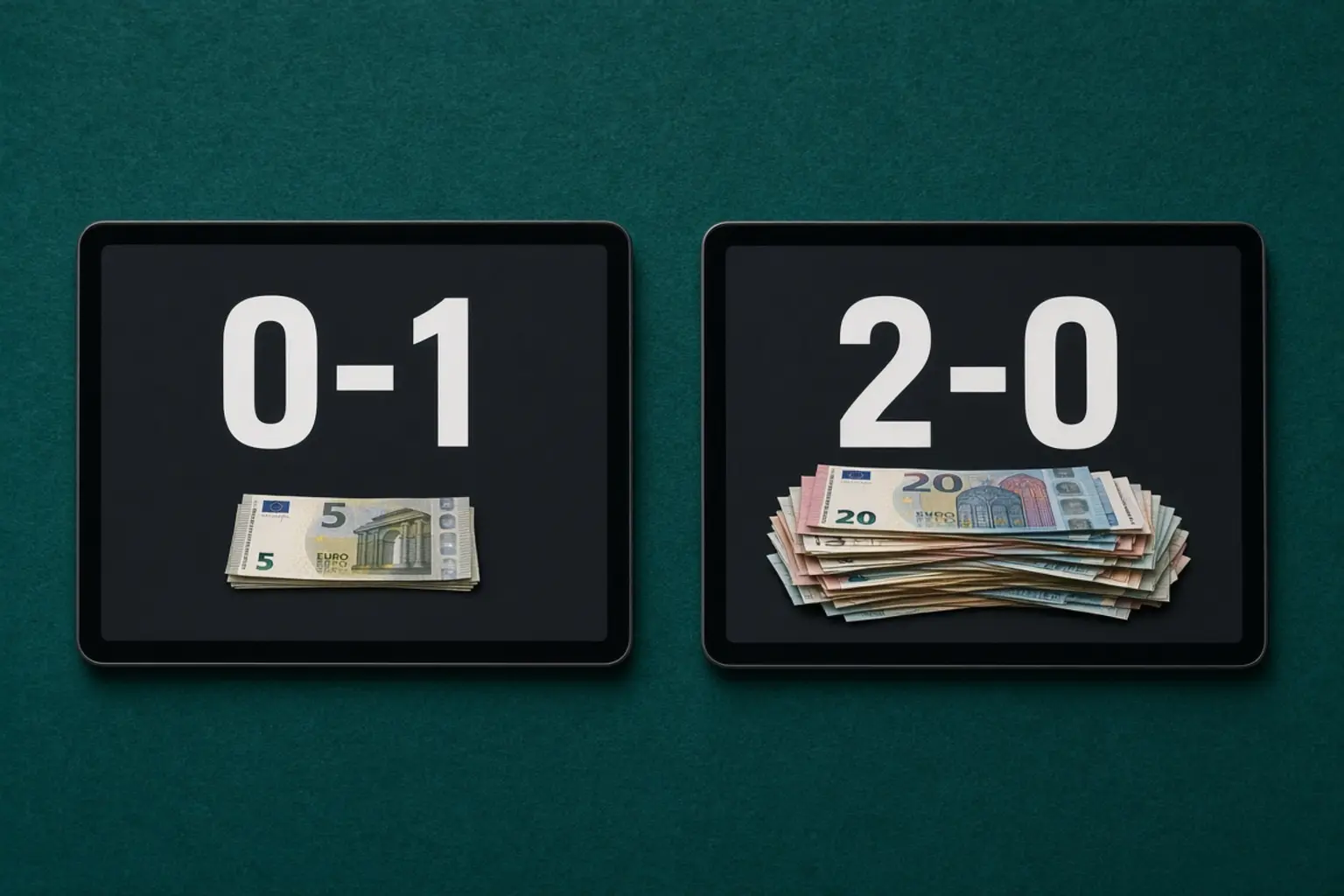
The rule itself is not a bonus feature or a side bet. It is a structural condition baked into the game’s ruleset, similar to surrender availability or the number of decks in the shoe. Casinos disclose DAS status in the same printed rule card that covers dealer standing on soft 17, blackjack payout ratios, and re-splitting limits. Because it changes how often a player can act aggressively after splitting, DAS directly affects the house edge, typically reducing it by roughly 0.14% when present compared to an otherwise identical table without it.
and Start Winning Today
How to Spot the DAS Rule at a Table
Recognizing whether a table offers DAS takes seconds once a player knows where to look. Live casino floors post the rule near the table minimum and maximum, usually as a short line reading “Double After Split Allowed” or abbreviated “DAS” alongside other conditions like “Dealer Hits Soft 17.” Online platforms list the same information in a rules or info icon near the game window, often within a single tap or click before the first hand is dealt.
Applying the rule during play requires no extra steps beyond what a split already involves. After separating a pair, the interface or dealer simply presents the doubling option on the new hand if the table allows it; if DAS is absent, that button or verbal option never appears. There is no separate confirmation screen, no additional wager placement ritual, and no learning curve beyond understanding basic double-down mechanics that already exist in standard blackjack.
Double After Split Rules
Which Split Hands You Can Double
Blackjack tables offering DAS carry no distinct visual theme tied to the rule itself; the presentation remains whatever the base game design dictates, whether a minimalist green felt layout or a stylized live-dealer studio. The only visual cue tied to DAS is textual: rule signage or an on-screen rules panel stating the condition in plain type, without iconography or thematic embellishment.
DAS vs NDAS Tables
There is no unique audio cue for doubling after a split versus doubling on an unsplit hand. The chip-placement sound, dealer confirmation, or card-flip audio remains identical across both scenarios. The immersive quality of the experience depends on the broader table environment, not on this particular rule, which functions silently in the background of gameplay logic rather than through any sensory signal.
How DAS Affects Payouts and the Edge

Card Pairs Where DAS Matters Most
Blackjack does not use symbols in the sense that slot machines do. Cards themselves function as the only visual elements determining outcomes, with the ace, ten-value cards, and paired cards eligible for splitting carrying the greatest strategic weight. Pairs of eights, aces, and nines are the hands most commonly associated with splitting decisions where DAS becomes relevant.
DAS and Side Bets
Standard blackjack governed by DAS has no bonus round or free spin mechanic. Some casino variants layer optional side bets, such as Perfect Pairs or 21+3, onto the base game, but these side wagers operate independently of the split and double rules and settle on separate paytables unrelated to DAS.
Payouts on Doubled Split Hands
A winning blackjack hand typically pays 3:2, though some tables reduce this to 6:5, a change that affects overall value far more than DAS does. Doubling after a split increases the wager on that specific hand, meaning a win pays out at even money on the doubled amount rather than the original bet, compounding returns when the doubled hand succeeds and compounding losses when it fails.
DAS and Jackpot Side Bets
DAS carries no jackpot mechanism. Progressive jackpot variants of blackjack exist in some casinos, usually tied to a side bet requiring specific card combinations like four aces of mixed suits, but this jackpot logic runs parallel to and independent of whether the table allows doubling after a split.
DAS on Mobile and Live Tables
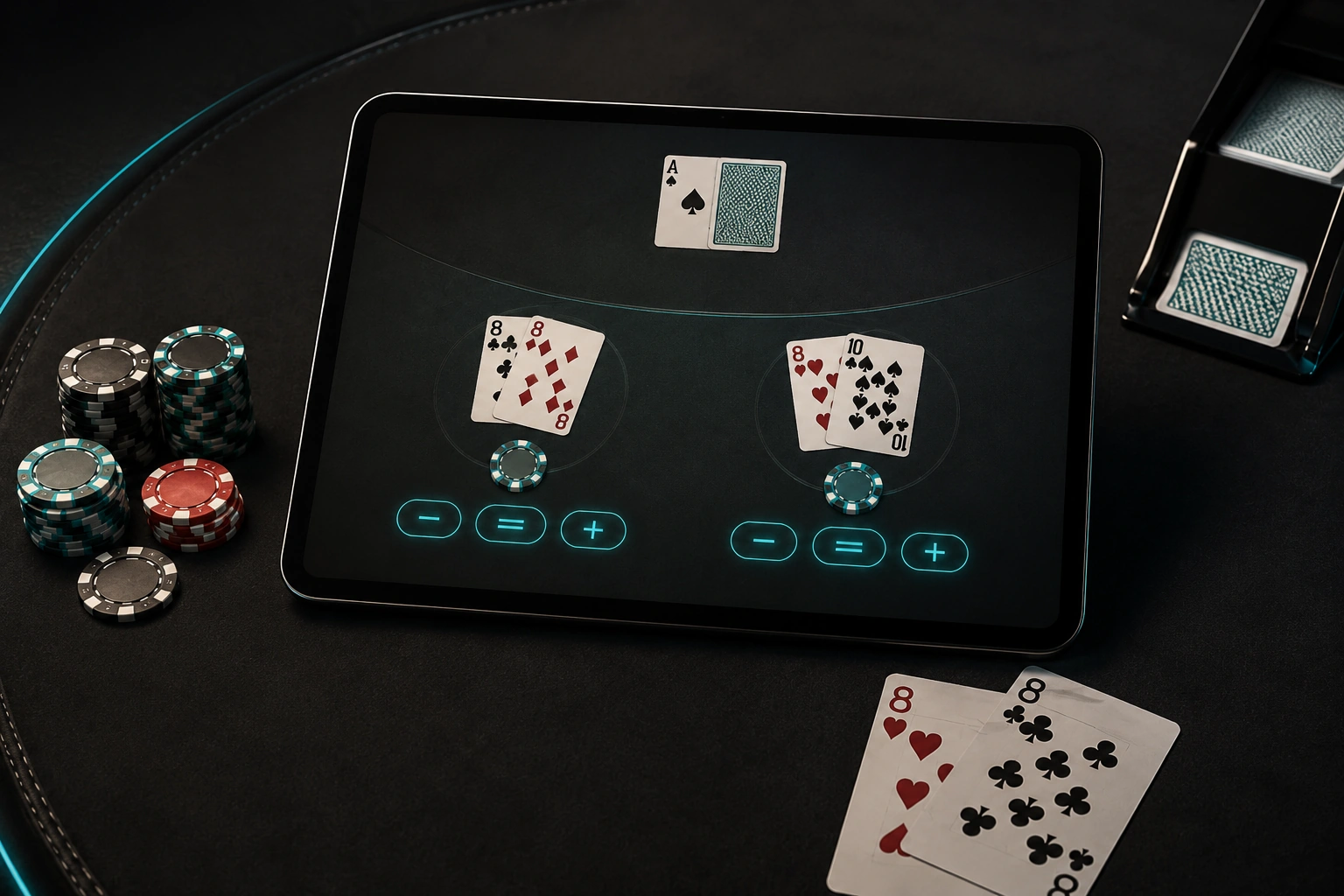
Online blackjack tables offering DAS render identically on mobile browsers and dedicated casino apps as they do on desktop, since the rule is a backend logic setting rather than a graphical feature requiring extra rendering power. Touchscreen controls present the double-down button on split hands exactly as they would on desktop, with response times depending on the casino’s server infrastructure rather than on this specific rule.
Is DAS Good for the Player?
How Much the DAS Rule Is Worth
DAS gives players a concrete mathematical edge over tables without it, lowering the house advantage by a measurable margin rather than through vague promotional framing. It rewards players who understand basic strategy charts, since many optimal double-down decisions after a split only apply when the rule is present. For a split pair of 5s turning into two hands showing 5 or 6, drawing a card that creates 10 or 11 becomes far more profitable when doubling remains available.
Where DAS Tempts You Into Mistakes
DAS requires additional bankroll readiness at the table, since a player must be able to cover a second doubled bet on top of the original split wager. Casual players who split without understanding strategy tables may misuse the option, doubling on weak totals purely because the button is available. The rule also varies inconsistently across casinos and even across tables within the same property, forcing players to verify conditions each time rather than assuming uniform rules.
and Get Your Bonus Today
DAS in Blackjack: Key Points
DAS functions as one of several structural rules that separates a favorable blackjack table from a disadvantageous one, sitting alongside deck count and dealer soft-17 behavior as a factor worth checking before sitting down or loading a table online. Its value depends entirely on whether the player applies correct strategy after splitting; the rule itself only opens a door that basic strategy charts tell a player when to walk through. Comparing tables with and without DAS before committing a bankroll remains a more reliable approach than assuming any single casino default works in the player’s favor.