What Is Blackjack and How Do You Play It?
Blackjack is a card game in which you try to beat the dealer’s hand without going over 21. Number cards count at face value, face cards as ten and aces as one or eleven. A two-card 21 is a blackjack and normally pays 3:2. Below: the full rules, payouts and playing options.
What Is Blackjack?
Blackjack is a card game built around one target number: 21. The objective is not to beat every other player at the table but to beat the dealer, either by holding a hand value closer to 21 than the dealer’s without exceeding it, or by watching the dealer bust. This distinction confuses newcomers who assume it works like poker – it doesn’t. Every seat at the table plays its own private contest against the house.
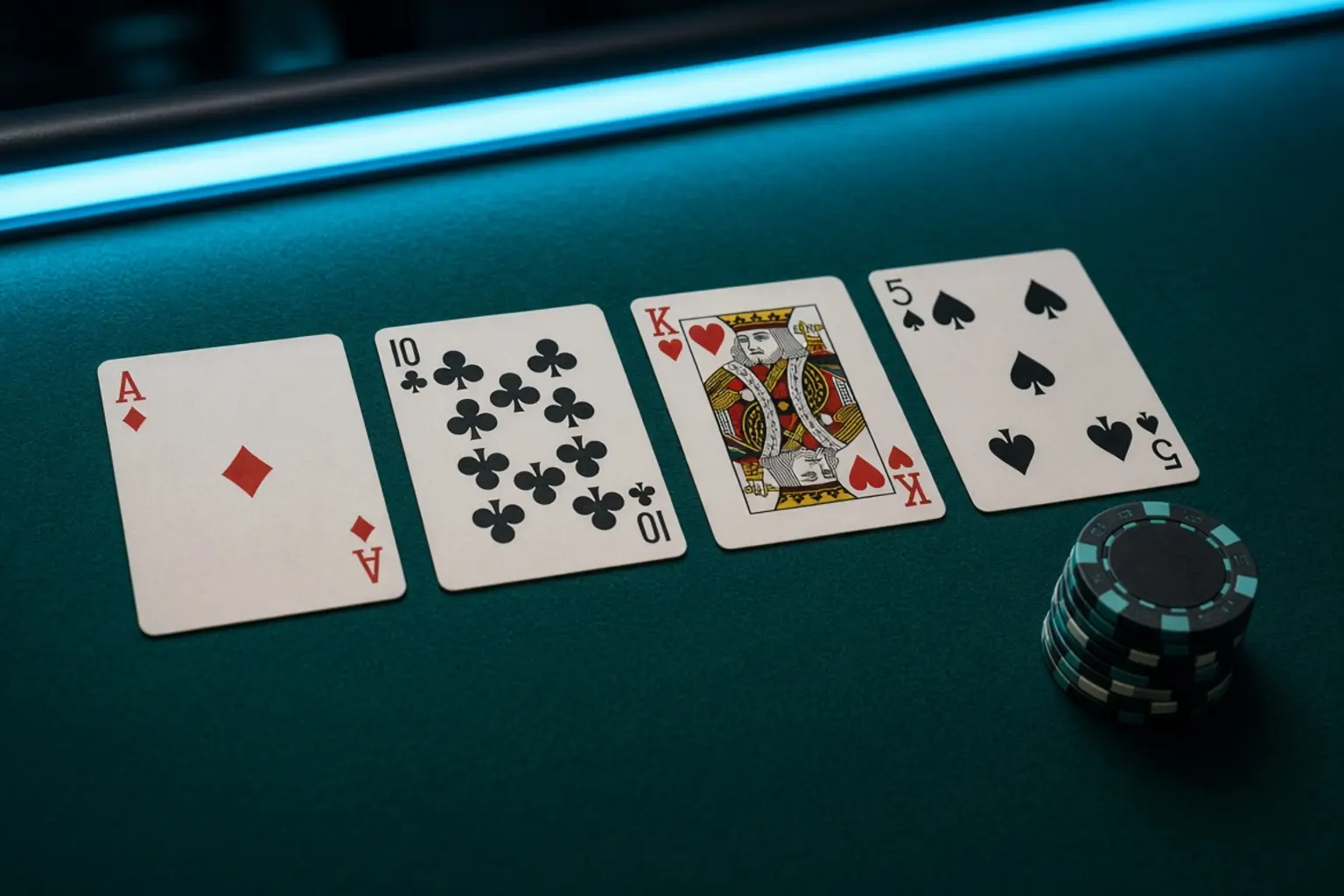
A standard game uses one to eight decks of 52 cards, depending on the table format. Number cards count at face value, face cards count as ten, and the ace counts as either one or eleven, whichever benefits the hand. A two-card total of 21 made from an ace and a ten-value card is called a natural or blackjack, and it typically pays 3:2 unless the table uses a 6:5 variant, which changes the math against the player noticeably.
Each round starts with a bet, followed by two cards dealt to every player and two to the dealer, usually with one dealer card exposed. From there, players choose to hit, stand, double down, split pairs, or in some cases surrender. The dealer then plays according to fixed rules – typically hitting below 17 and standing at 17 or above, though soft-17 rules vary by casino and affect the house edge.
and Start Winning Today
How to Start Playing Blackjack
Learning the flow of a blackjack round takes minutes, not hours. The decision tree is short: look at your two cards, look at the dealer’s exposed card, choose one of a handful of actions. There’s no bluffing mechanic to master and no hand-ranking chart to memorize, which is why it remains one of the most approachable table games for first-time players.
Online versions strip away the friction of a physical table. Bet sizing, deal speed, and action buttons sit in a fixed layout, so a player moves from placing a wager to seeing the outcome in seconds rather than waiting on other players’ decisions. Live-dealer tables slow the pace intentionally, mimicking a real casino rhythm, while RNG-based tables let a session run through dozens of hands in the time a physical table would finish two or three.
Table limits and side-bet options are usually visible before the round starts, so there’s no need to dig through settings mid-session. This upfront clarity matters more in blackjack than in slot games, because a wrong assumption about doubling or splitting rules can cost real value on a single hand.
Blackjack Card Game Rules
The Table, Shoe and Betting Circle
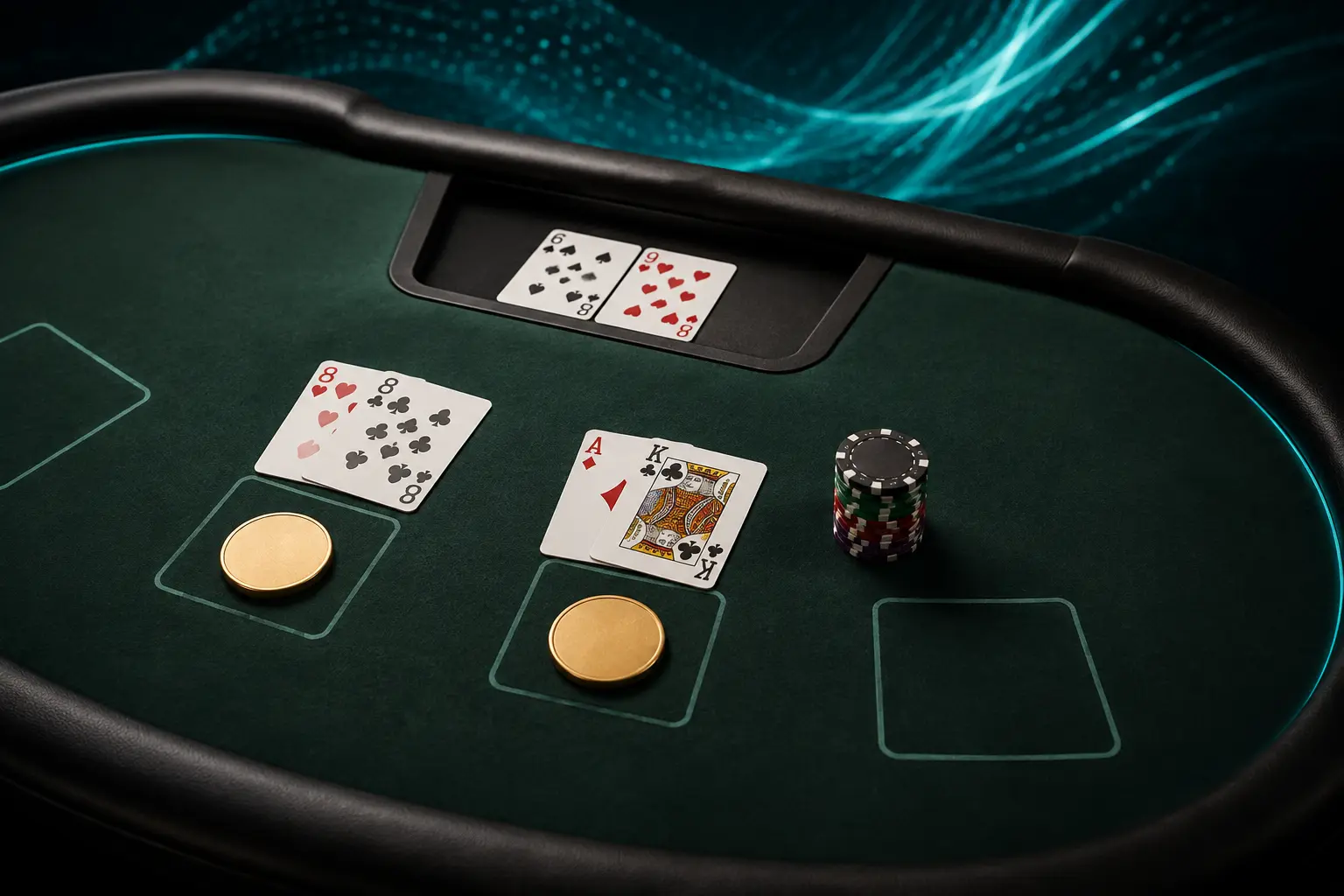
Physical blackjack tables follow a near-identical visual language: green felt, a curved betting layout, and a dealer position at the top. Digital adaptations either replicate this exactly or reduce it to a flat, minimal interface with just the cards and betting circle visible. Live-dealer formats add a studio setting, a real table, and a human dealer on camera, which changes the visual context entirely compared to an RNG table’s animated card sprites.
Round Flow and Dealer Rules
Card sounds – the shuffle, the deal, the flip – do most of the immersive work in blackjack, since there’s no reel spin or symbol animation to fill the silence. Live tables carry ambient casino noise and dealer voice prompts, which anchors the session in a way muted RNG tables don’t. Some digital versions let players mute effects entirely without losing any functional information, since none of the game’s outcome depends on audio cues.
Card Values, Payouts and the Goal of the Game
How Much Each Card Is Worth
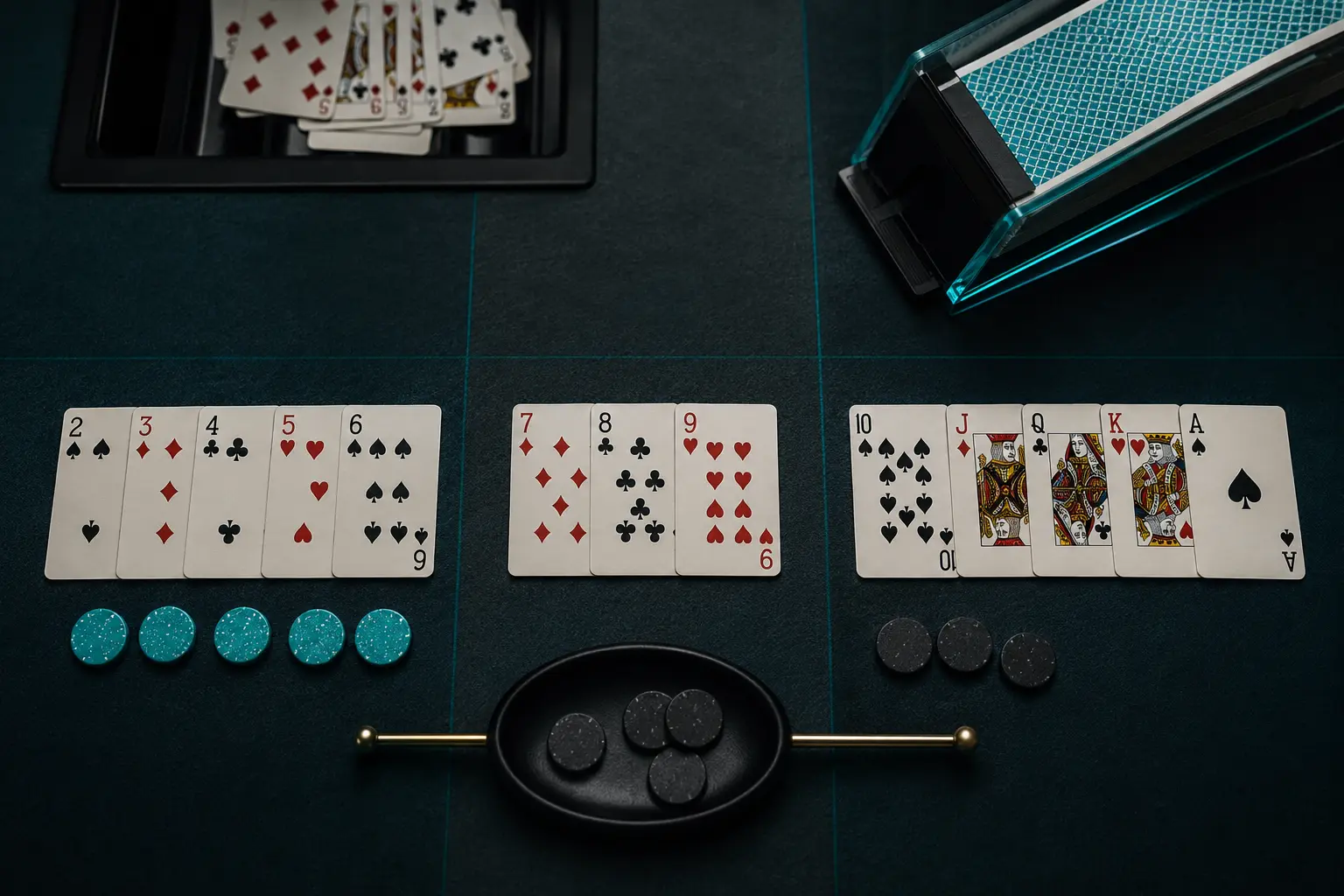
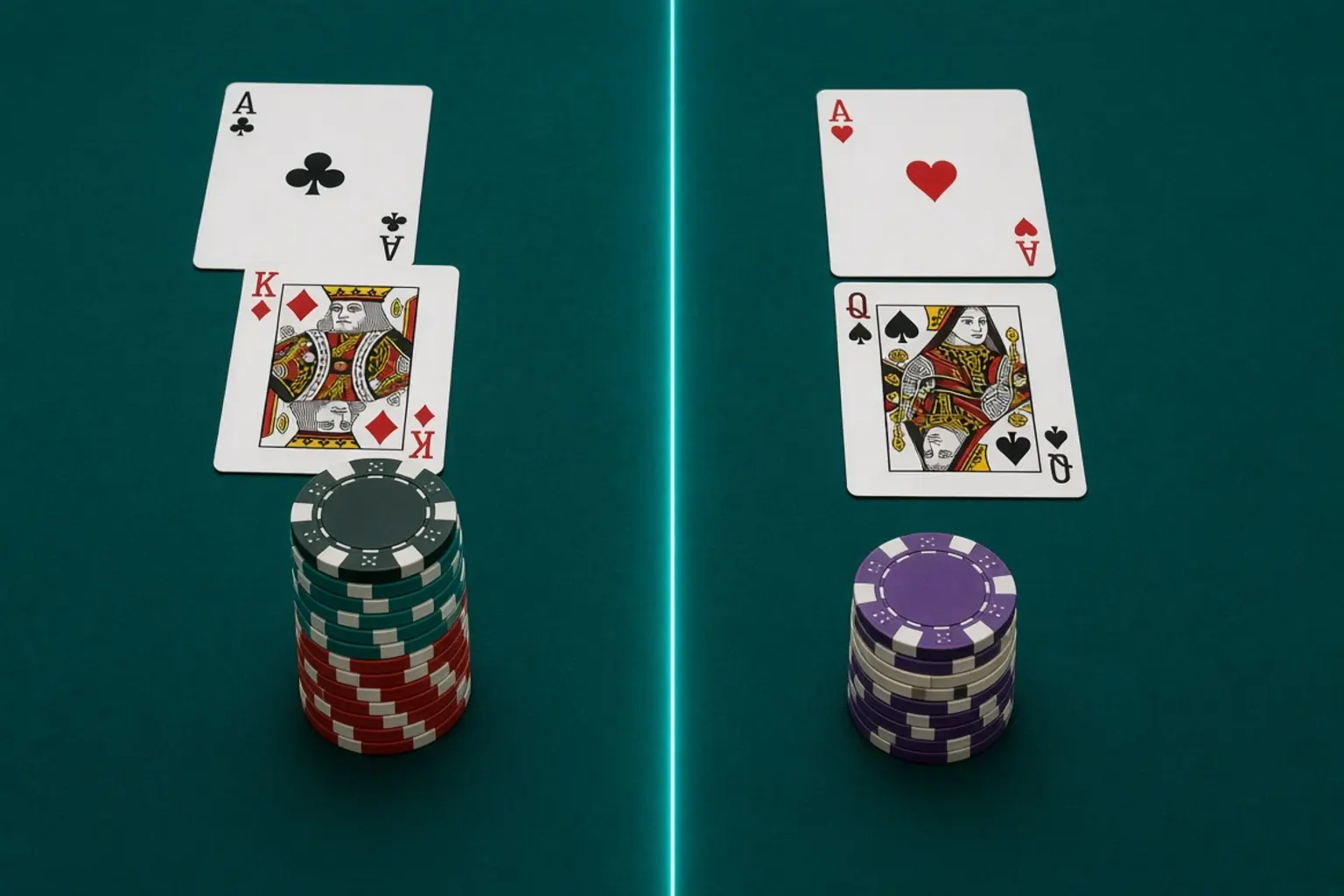
Blackjack doesn’t use symbols in the slot-machine sense – there are no wilds or scatters. Instead, the “symbols” are the card ranks themselves. Aces carry dual value (1 or 11), face cards standardize to ten, and the ten-value cards combined with an ace form the natural blackjack that triggers the enhanced payout. That’s the entire symbol logic; nothing else on the card carries functional weight beyond suit, which is cosmetic.
Side Bets Offered Alongside the Main Hand
There’s no free-spin mechanic in blackjack, since the format isn’t reel-based. What some tables offer instead are side bets – Perfect Pairs, 21+3, or Bust It – which run as separate wagers with their own paytables, independent of the main hand’s outcome. These side bets carry a higher house edge than the base game and don’t affect the primary hand’s result.
Blackjack Payouts: 3:2, 6:5 and Even Money
A winning hand against the dealer pays 1:1 on the base bet. A natural blackjack pays 3:2 on most reputable tables, though some pay only 6:5 – a difference that meaningfully increases the house edge and is worth checking before sitting down. Insurance, offered when the dealer shows an ace, pays 2:1 but is a mathematically unfavorable side wager over the long run for most hands.
Progressive Jackpot Blackjack
Standard blackjack has no built-in jackpot. Progressive jackpots appear only on specific side-bet variants, usually tied to hitting a rare combination such as four of a kind in matching suits across the player’s and dealer’s cards. These jackpots are entirely separate from the main hand and require an additional wager to qualify.
Blackjack on Mobile and Live Tables
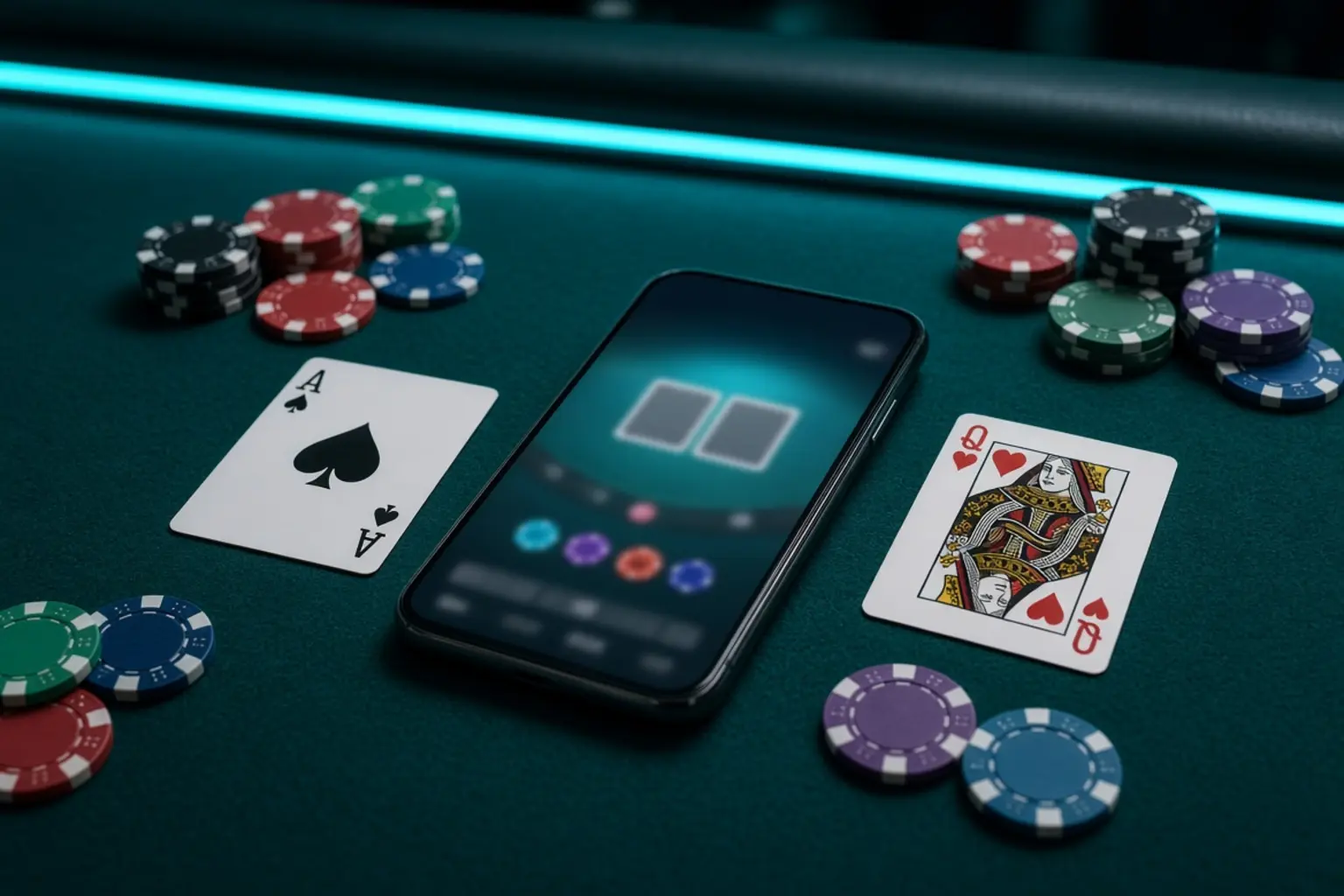
Touch-based blackjack interfaces translate well to smaller screens because the action set is limited – tap to hit, tap to stand, drag or tap to bet. Most licensed platforms run blackjack through HTML5, which means no dedicated app is required and the game loads directly in a mobile browser without a noticeable drop in responsiveness. Live-dealer tables demand a stronger data connection than RNG tables, since video streaming runs continuously through the session, and a weak connection causes visible lag between the dealer’s action and the video feed.
Blackjack: Advantages and Drawbacks
Why Blackjack Rewards Skill
The house edge in blackjack, when played with correct basic strategy, drops below 1% on most rule sets – a figure far lower than the majority of casino games. Decisions are transparent: every action has a mathematically defined “correct” choice based on the visible cards, which removes guesswork for players willing to learn a strategy chart. Round length is short, so bankroll pacing is easier to control than in longer-format games.
Where New Players Lose Money
The 6:5 payout variant, increasingly common on lower-limit tables, erodes the player edge advantage that makes blackjack attractive in the first place. Side bets carry house edges often above 5-10%, well beyond the base game, and are frequently marketed without that context. Card counting, the one technique that can shift long-term odds toward the player, is impractical online due to continuous shuffling algorithms and largely unenforceable in physical casinos that monitor for it.
and Get Your Bonus Today
What Blackjack Is: Key Points
Blackjack’s appeal comes from a rare combination: a low house edge, a short learning curve, and decision-making that rewards actual strategy rather than pure chance. The format hasn’t changed much because it doesn’t need to – the fixed dealer rules and clear payout structure give it a mathematical stability that slot mechanics can’t replicate. Where a player runs into trouble is skipping the fine print: payout ratios, dealer soft-17 rules, and side-bet odds all shift the numbers more than most people assume before their first hand.