What Is a Hit in Blackjack?
A hit is the request for an additional card during a blackjack hand. The move sounds simple, yet it carries the entire weight of the game’s decision-making process. Every hand you’re dealt eventually forces a choice: take another card and risk going bust, or freeze the total and hope it holds against the dealer. That single fork in the road is where blackjack shifts from a game of chance into a game of calculated probability.
What Is Hit in Blackjack?
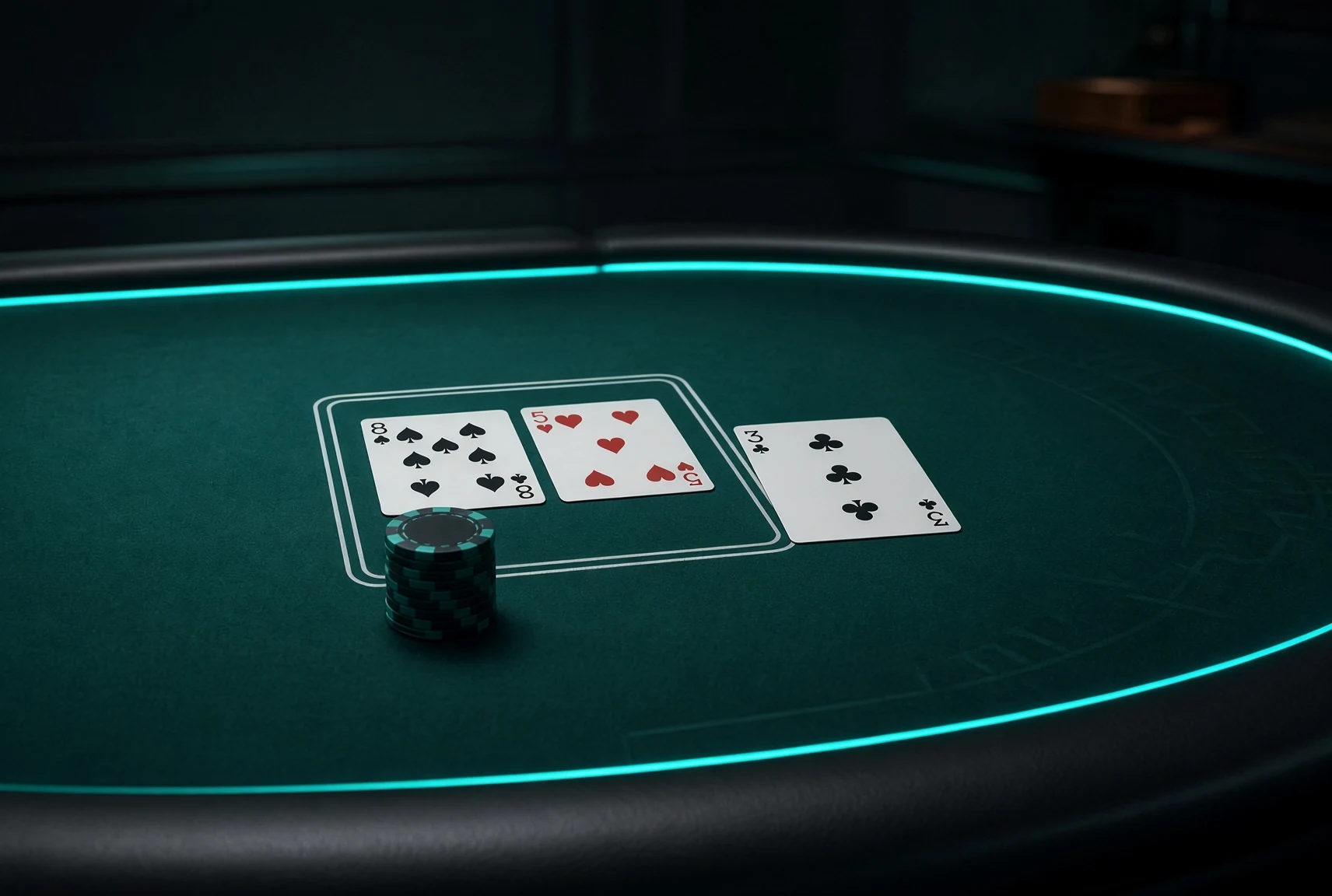
Blackjack is built around a deceptively narrow objective: build a hand closer to 21 than the dealer’s without crossing that number. Two actions dominate almost every decision point in the game – hitting and standing. A hit adds a card to the current hand; standing locks the total in place and passes the turn back to the dealer.
The mechanics behind a hit are consistent across variants, though the terminology and gestures used to signal it differ by setting. At a physical table, a tap on the felt or a beckoning finger motion tells the dealer to deal another card. In digital or app-based versions, the same action is triggered with a labeled button. Regardless of format, the outcome is identical: one card is added, and the hand’s value is recalculated instantly.
What separates a hit from other blackjack actions – splitting, doubling down, or surrendering – is its repeatability. A player can hit as many times as the hand allows, provided the total doesn’t exceed 21. There’s no cap written into the rules; the only real limit is the risk of busting, which grows with each card drawn once the total climbs past 11.
and Start Winning Today
How to Signal a Hit at a Table
The hit action itself requires no technical skill to execute – it’s the timing that matters. On a live table, dealers move at a set pace, and players are expected to signal their choice within a few seconds of seeing their cards. This creates a rhythm that rewards decisiveness over hesitation, since prolonged pauses can draw attention from both the dealer and other players at a crowded table.
In online formats, the pace shifts entirely. There’s no social pressure, no dealer waiting on a gesture – just a clean interface with a “Hit” button sitting beside “Stand,” “Double,” and “Split.” This setup removes the ambiguity that sometimes creeps into physical games, where an unclear hand signal can be misread by a dealer mid-shuffle. Digital tables also tend to display running totals directly on screen, which takes the guesswork out of tracking soft versus hard hand values during a hitting sequence.
Accessibility here isn’t about visual flair – it’s about how quickly a new player can understand that “hit” simply means “one more card” without needing to memorize table etiquette first.
Hit or Stand: The Basic Rules
Totals Where You Always Hit
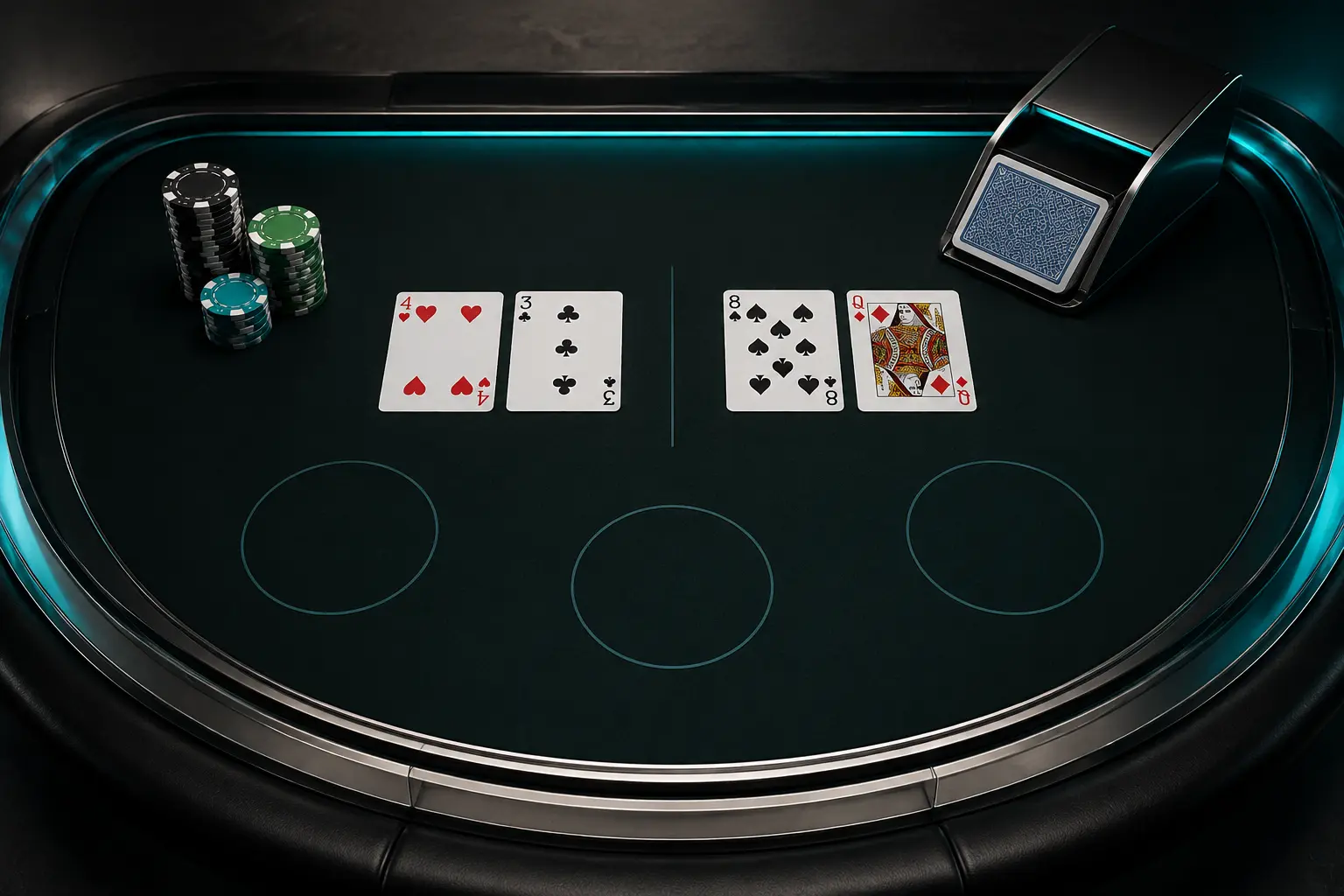
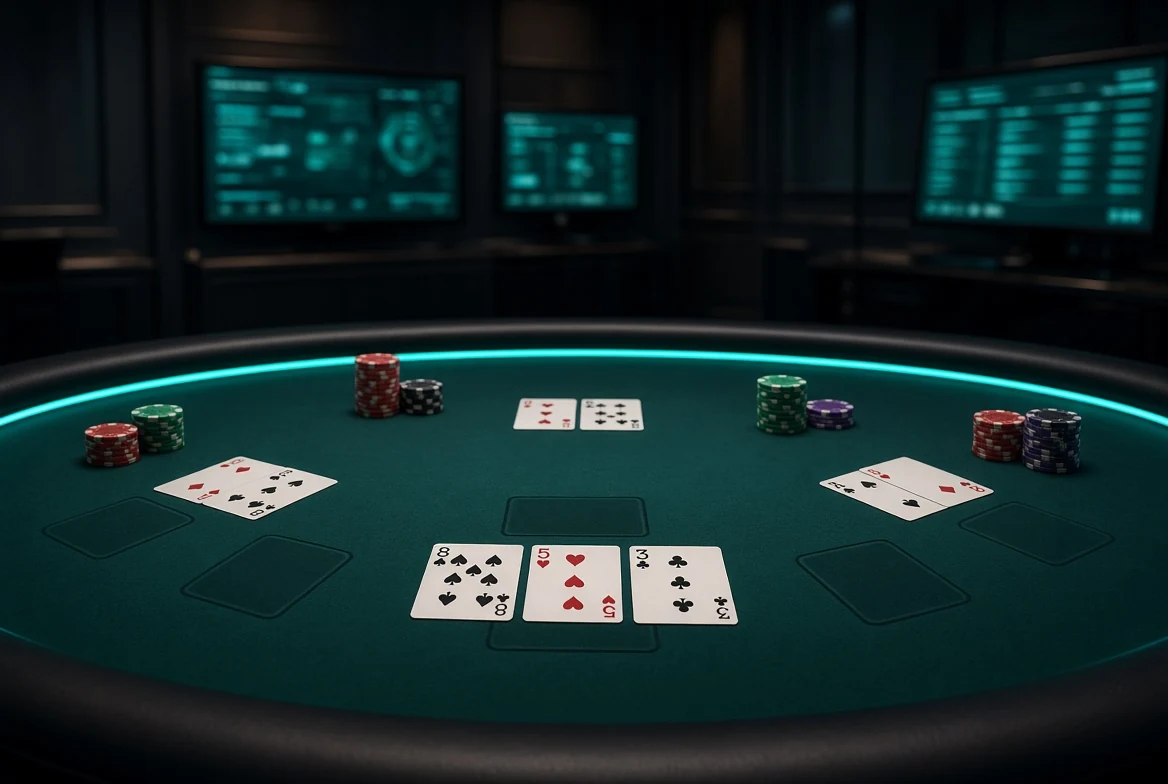
Blackjack doesn’t rely on thematic dressing the way slot games do. Traditional tables use plain green felt, standard card decks, and minimal ornamentation, keeping visual focus entirely on the cards and betting circles. Digital adaptations sometimes introduce stylized card backs or themed table skins, but the core visual language – suits, ranks, and chip stacks – stays untouched across nearly every version of the game.
This visual restraint is intentional. Because hit/stand decisions depend on reading numeric totals at a glance, cluttered graphics would actively work against usability rather than enhance it.
Totals Where You Always Stand
Audio cues in blackjack are functional rather than decorative. The shuffle of cards, the soft click of a chip being placed, and the dealer’s verbal confirmation of a hit all serve as feedback signals that reinforce what’s happening on the table. In live-dealer online formats, this audio layer becomes especially important, since it substitutes for the physical presence a player would otherwise have at a brick-and-mortar table.
The immersive quality of blackjack doesn’t come from music or ambient effects – it comes from the tension built into waiting for that next card after calling a hit, knowing the total could tip past 21 on the very next draw.
Card Values and Bust Risk
How Each Card Changes Your Total
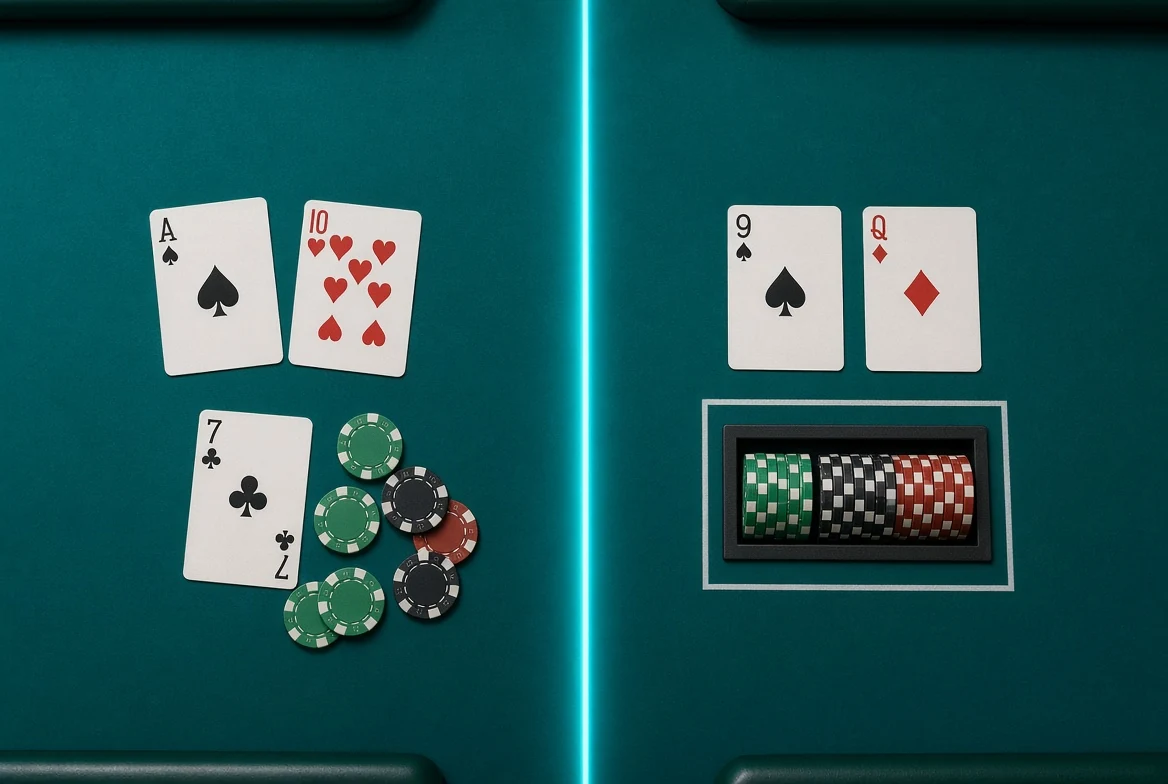
Blackjack doesn’t use symbols in the way slot machines do; instead, its “symbols” are the cards themselves, each carrying a fixed value. Number cards count at face value, face cards (Jack, Queen, King) count as 10, and the Ace flexibly counts as either 1 or 11 depending on what benefits the hand. This flexibility is precisely what separates a “soft” hand from a “hard” one, and it directly shapes how aggressively a player should hit.
Hitting on Split and Doubled Hands
Standard blackjack doesn’t include bonus rounds or free spins in the traditional casino sense. Some side-bet variants – like Perfect Pairs or 21+3 – layer additional wagers onto the base hand, offering payouts for specific card combinations independent of the main hit/stand outcome. These side bets don’t alter the core hitting strategy; they exist as optional wagers placed before the cards are dealt.
What Hitting Does to Your Payout Chances
A standard blackjack win pays 1:1 on the original bet, while a natural blackjack – an Ace paired with a 10-value card on the initial deal – typically pays 3:2 (or occasionally 6:5, depending on table rules). No hitting occurs in the case of a natural blackjack, since the hand is already complete at 21. Every other winning hand, including those built through multiple hits, pays the standard 1:1 rate regardless of how many cards were drawn to reach the final total.
Hitting and Jackpot Side Bets
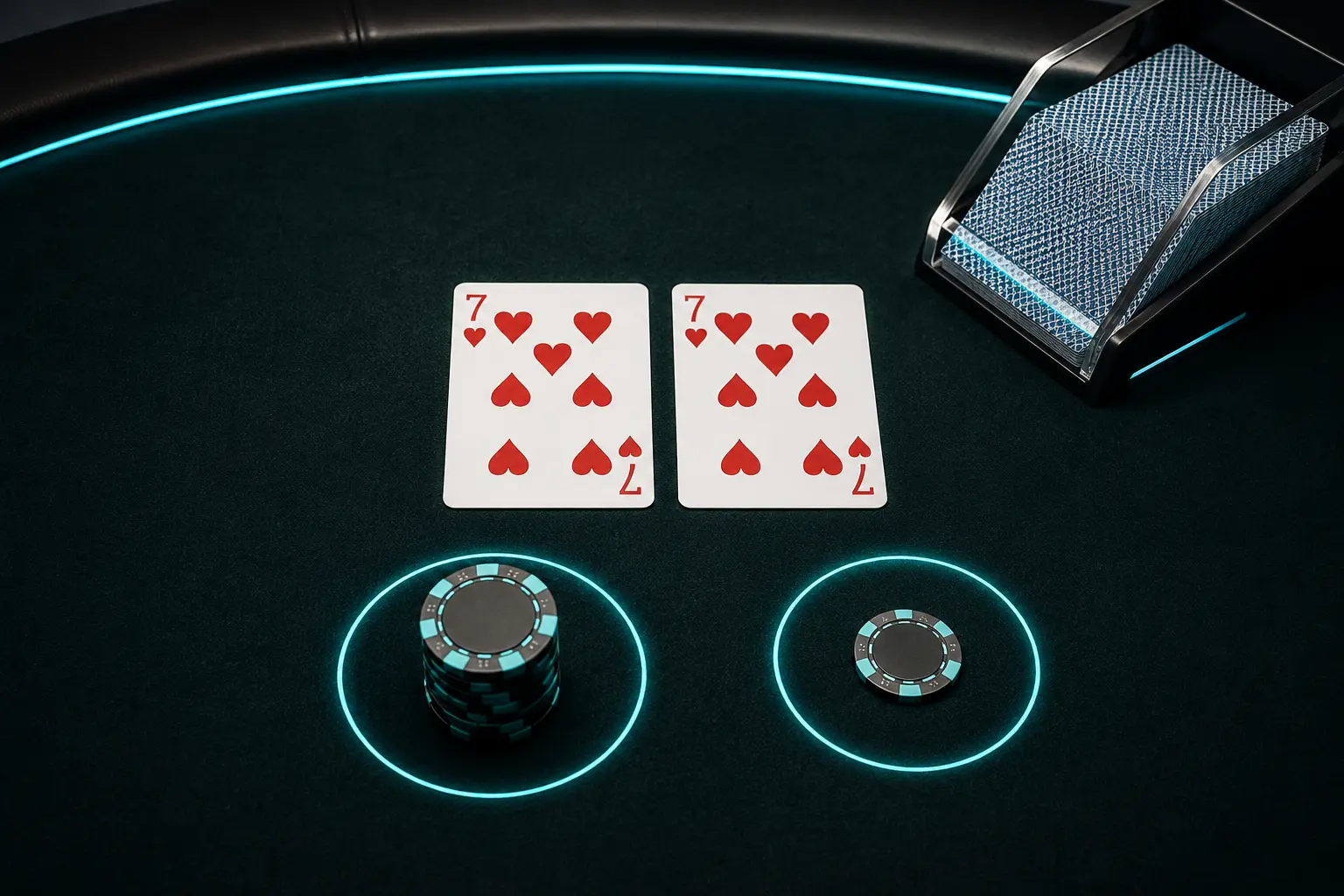
Progressive jackpots aren’t part of standard blackjack rules. Certain casino promotions or side-bet variants introduce jackpot-style payouts tied to rare card combinations, such as suited sevens or four-of-a-kind across split hands, but these exist entirely outside the core hit/stand mechanics that define the base game.
Hitting on Mobile and Live Tables
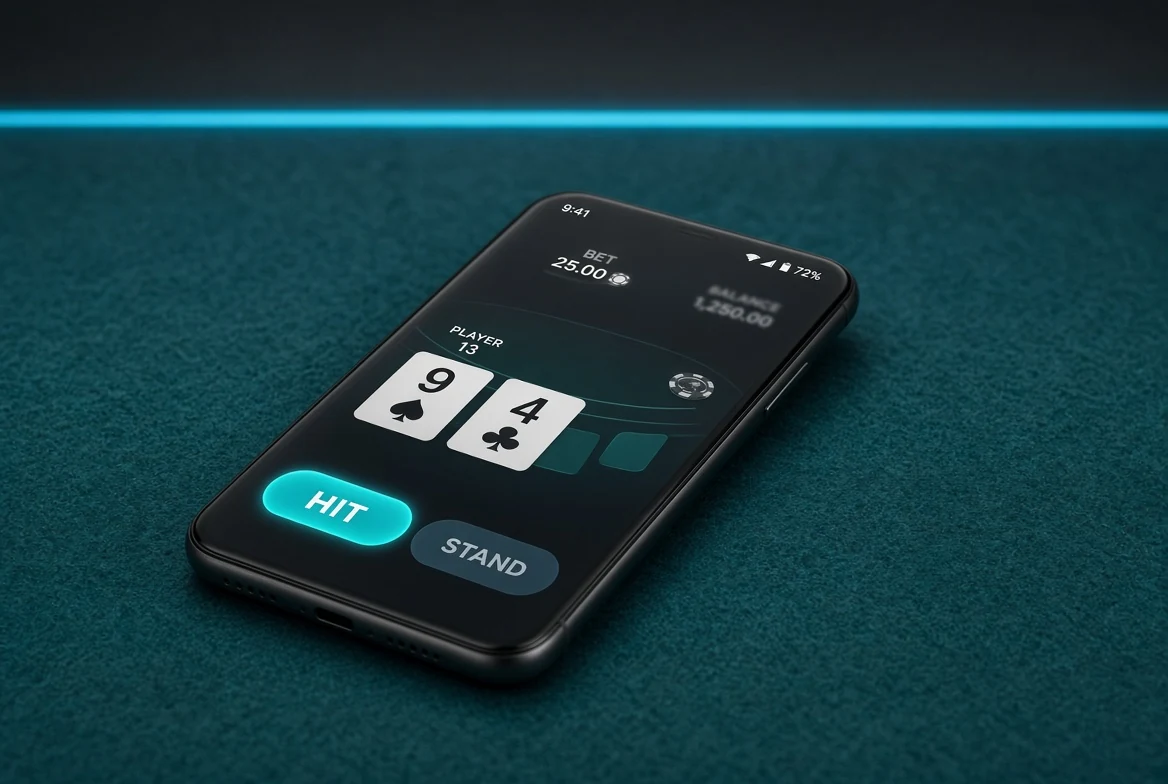
Blackjack translates well to smaller screens because its interface doesn’t rely on dense visual detail. Buttons for hit, stand, double, and split are typically large enough to tap accurately even on compact phone displays, and card totals update instantly without noticeable lag on most modern devices. Touch-based play also removes any ambiguity around hand signals – there’s no room for a mistaken gesture when the action is confirmed by a single tap.
Connection stability matters more on mobile than on desktop, particularly in live-dealer formats where a delayed hit request could theoretically cause a missed decision window, though most platforms build in generous time buffers to prevent this.
Hitting: Advantages and Risks
When Hitting Is Clearly Correct
The hit/stand system gives players direct control over their hand, unlike games where outcomes are determined purely by a spin or a draw. Because every hitting decision can be mapped against a statistically optimal basic strategy chart, skilled play measurably reduces the house edge compared to relying on gut instinct. This level of player agency is rare among casino games, most of which offer no meaningful strategic input at all.
When Hitting Throws Away the Hand
The same system that rewards skill also punishes poor decisions harshly – a single miscalculated hit on a 16 against a dealer’s weak upcard can turn a favorable hand into an instant bust. Basic strategy charts require memorization or reference material to apply correctly, which creates a real barrier for casual players who’d rather rely on intuition. Additionally, some casino variants alter payout rules (like reducing blackjack payouts to 6:5), which quietly increases the house edge regardless of how precisely a player hits or stands.
and Get Your Bonus Today
Hit or Stand in Blackjack: Key Points
The decision to hit sits at the center of every blackjack hand, transforming a simple card game into an ongoing exercise in probability management. What separates strong players from casual ones isn’t luck at the moment of drawing a card – it’s the consistency of applying correct hit/stand logic across dozens of different hand and upcard combinations. Mastering that discipline, more than any bonus feature or table design, is what actually shifts the odds in a player’s favor.