Soft 17 in Blackjack: Meaning and Dealer Rules
A soft 17 in blackjack is any 17 containing an ace counted as 11, such as ace-six, so the hand cannot bust if you draw. Tables either make the dealer hit or stand on soft 17, and that one rule moves the house edge by roughly 0.22%. Below: the difference and how to play it.
What Soft 17 in Blackjack Means
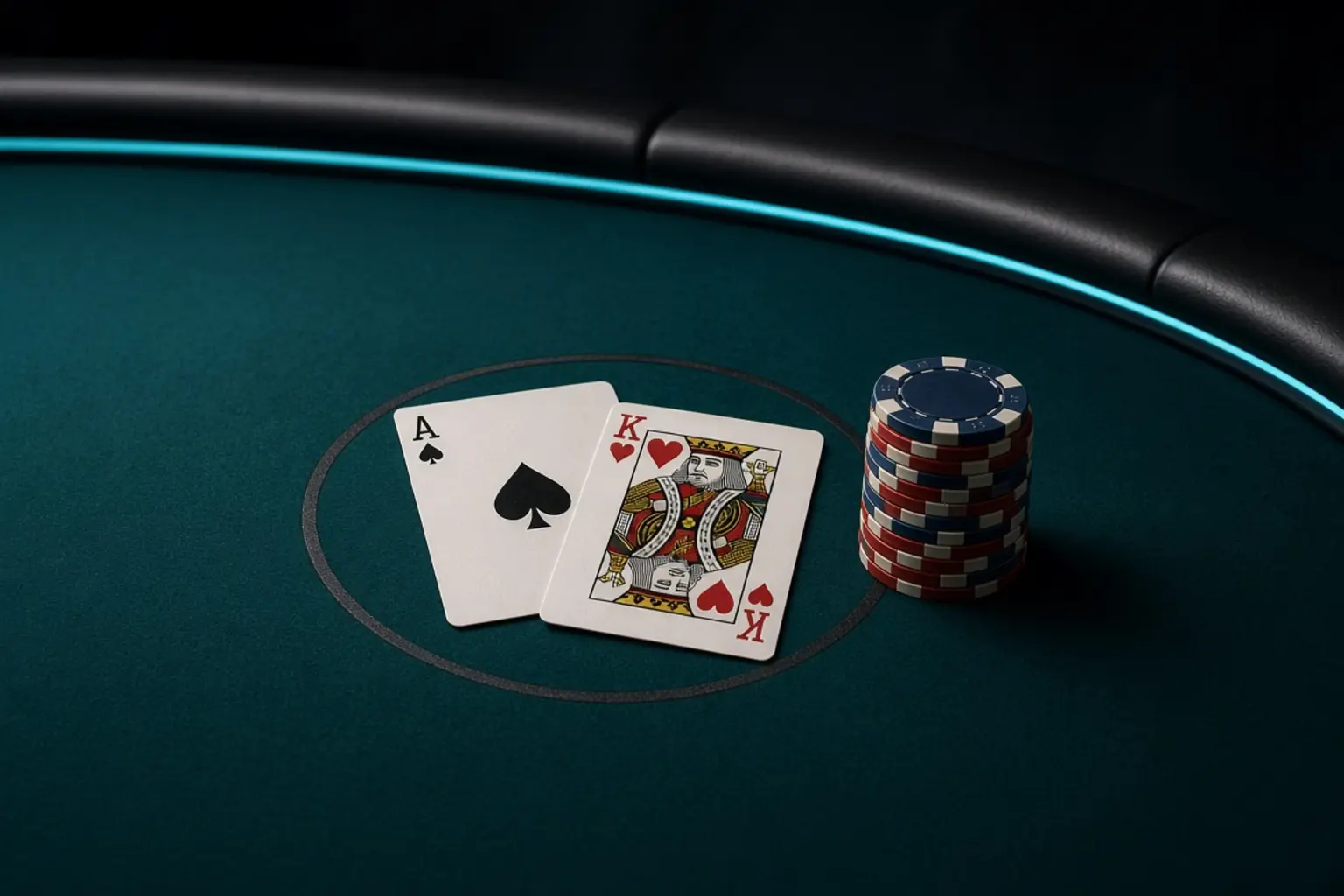
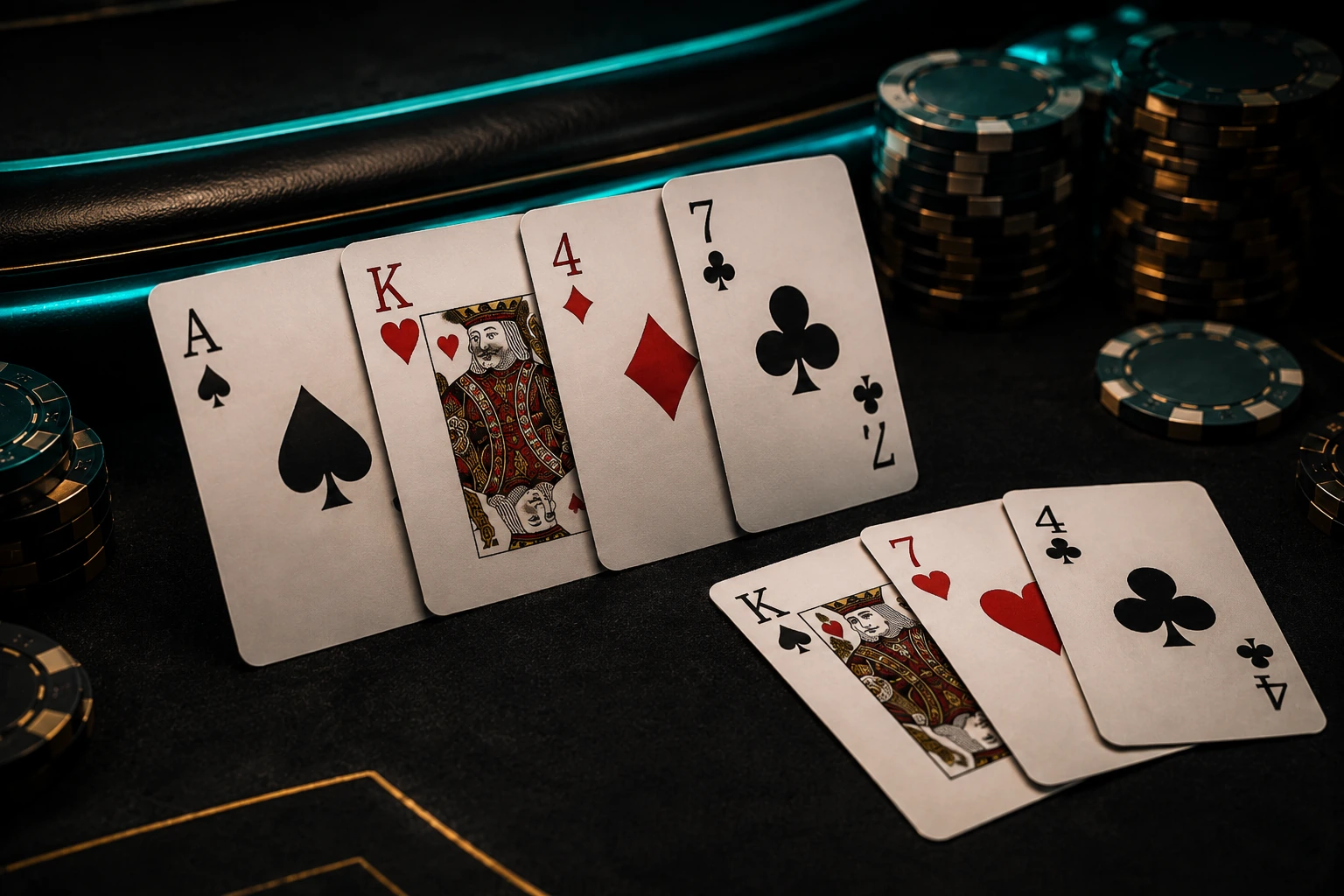
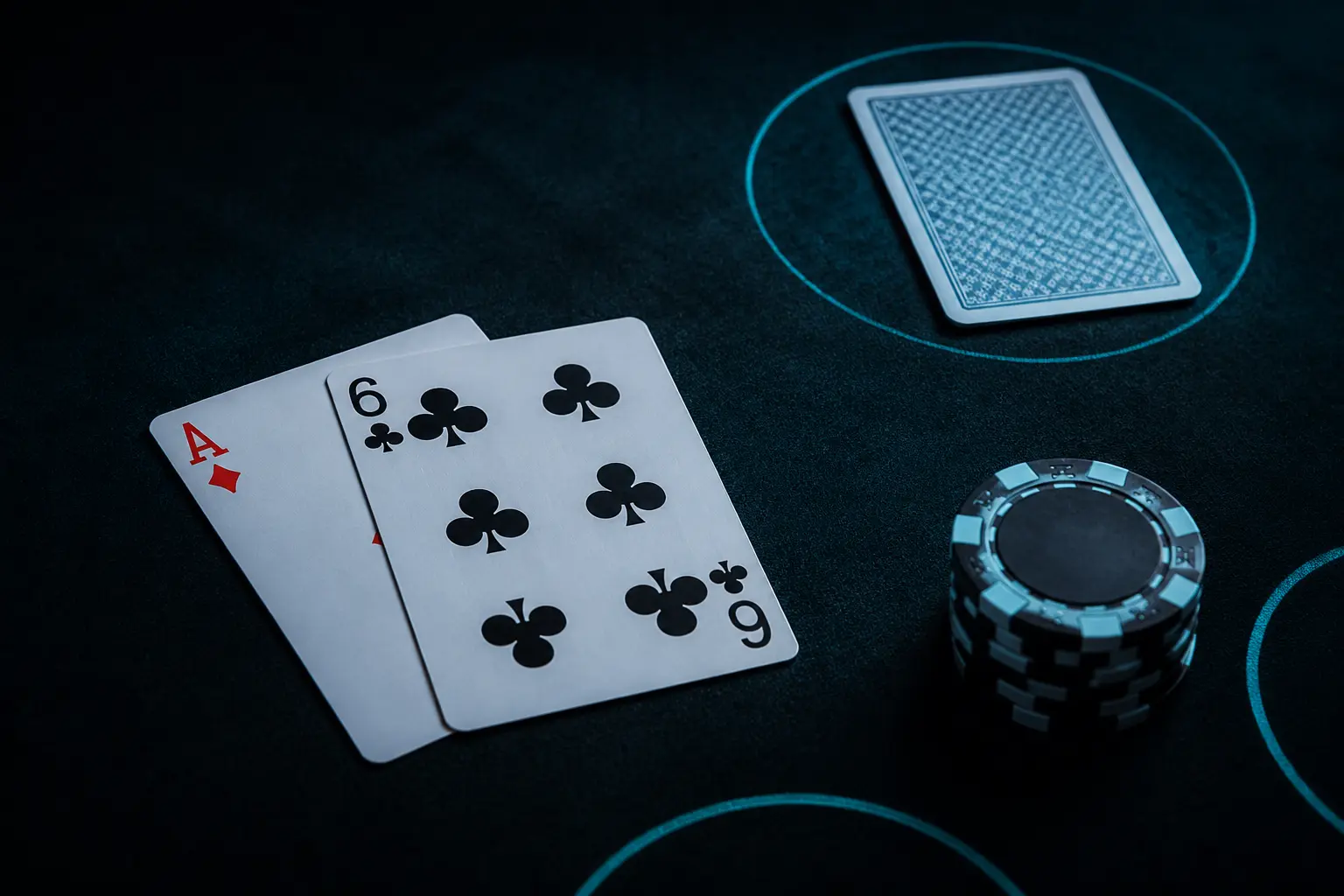
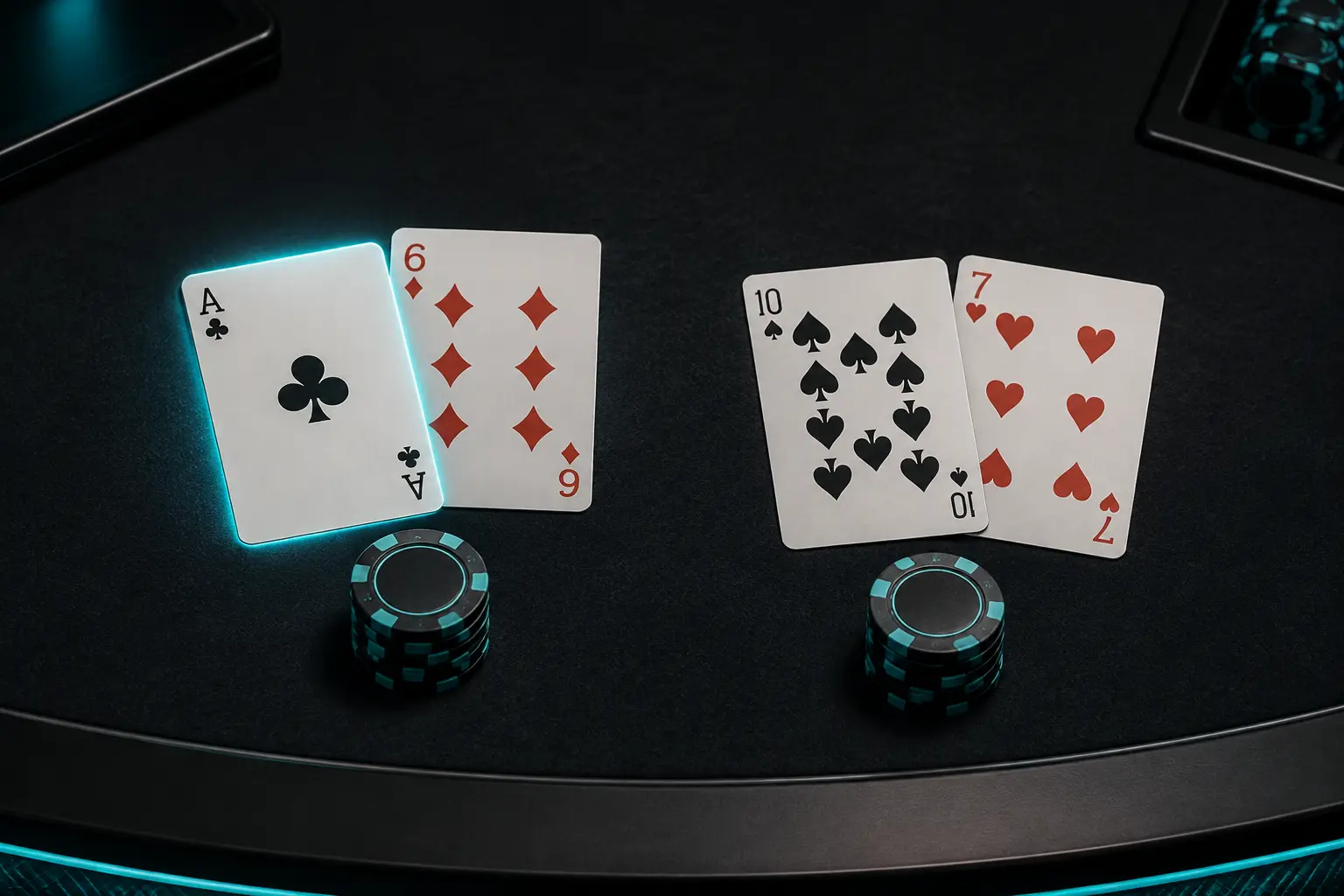
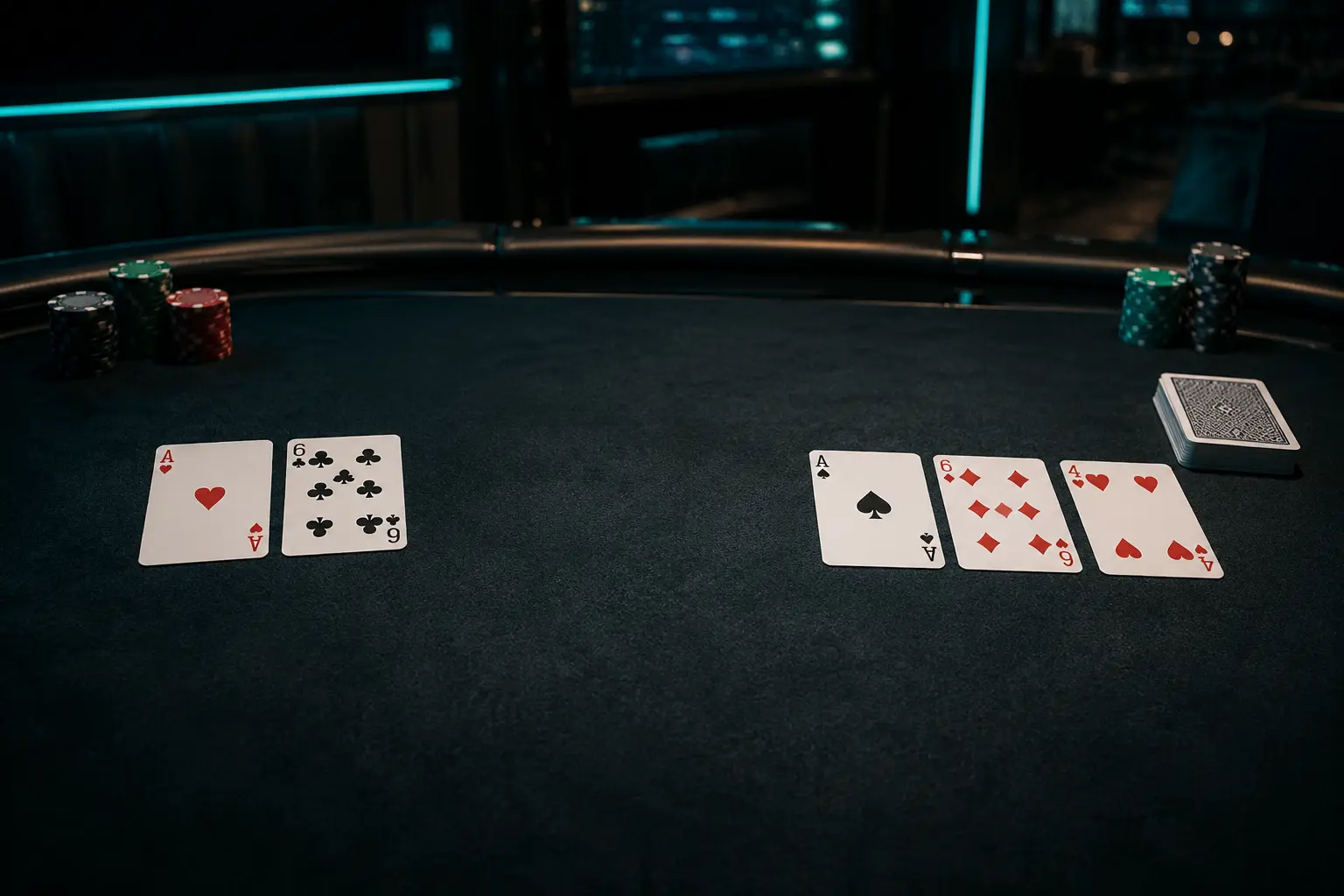
A soft 17 exists whenever an Ace pairs with a five-card sum of six, giving the hand a total of 17 that can shift to seven if another card would otherwise cause it to bust. The most common form is Ace-6, though A-2-4, A-3-3, or A-2-2-2 produce the identical value through different card combinations. What separates it from a hard 17 is that single-card flexibility: the Ace can count as one or eleven depending on which reading keeps the hand alive.
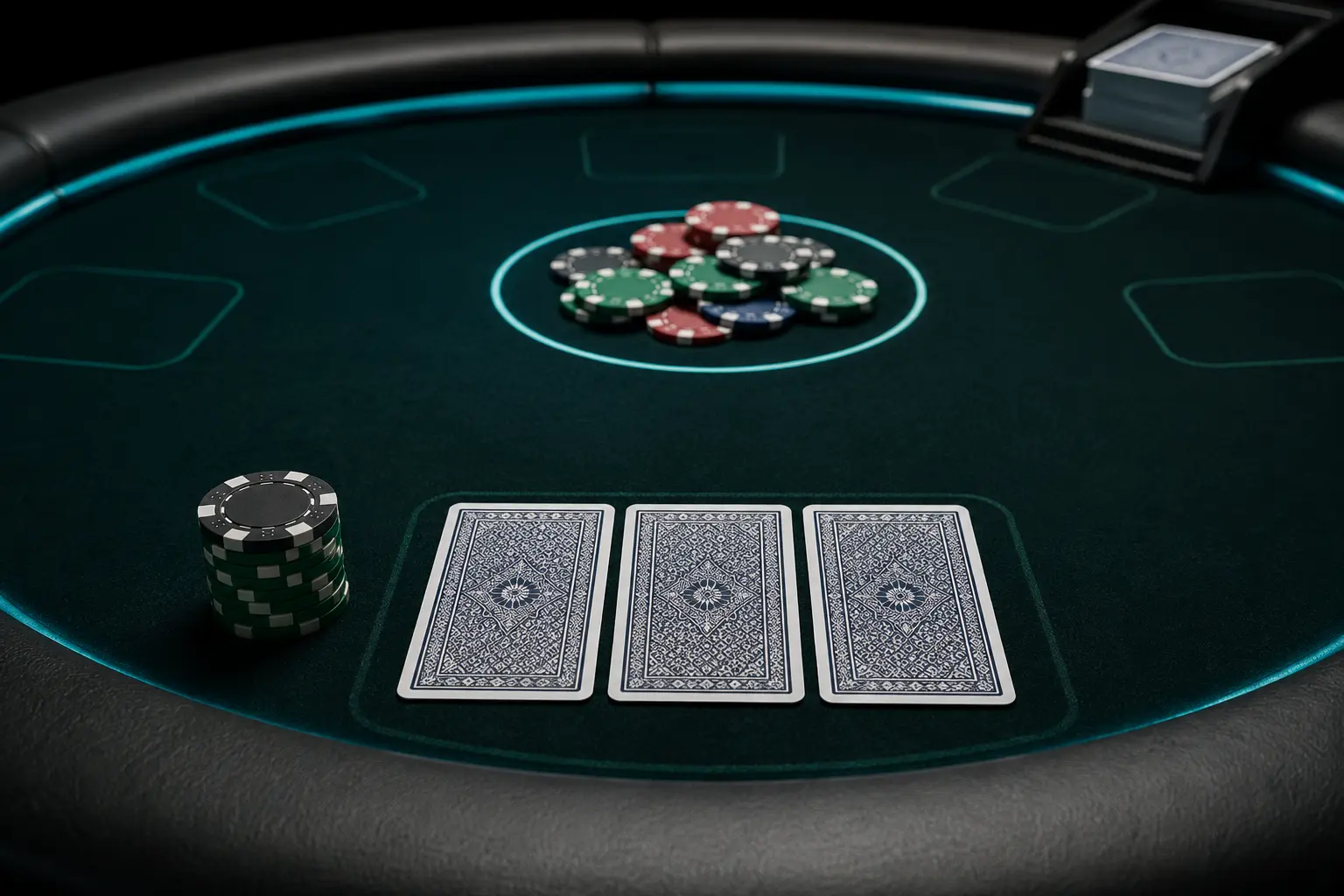
This distinction matters most at the dealer’s position, since house rules dictate whether the dealer must draw another card on this total or stop. Two standard variants exist across casinos: H17, where the dealer hits soft 17, and S17, where the dealer stands on soft 17. The choice is not cosmetic – it is printed directly on the table felt because it changes the math of every hand played at that table.
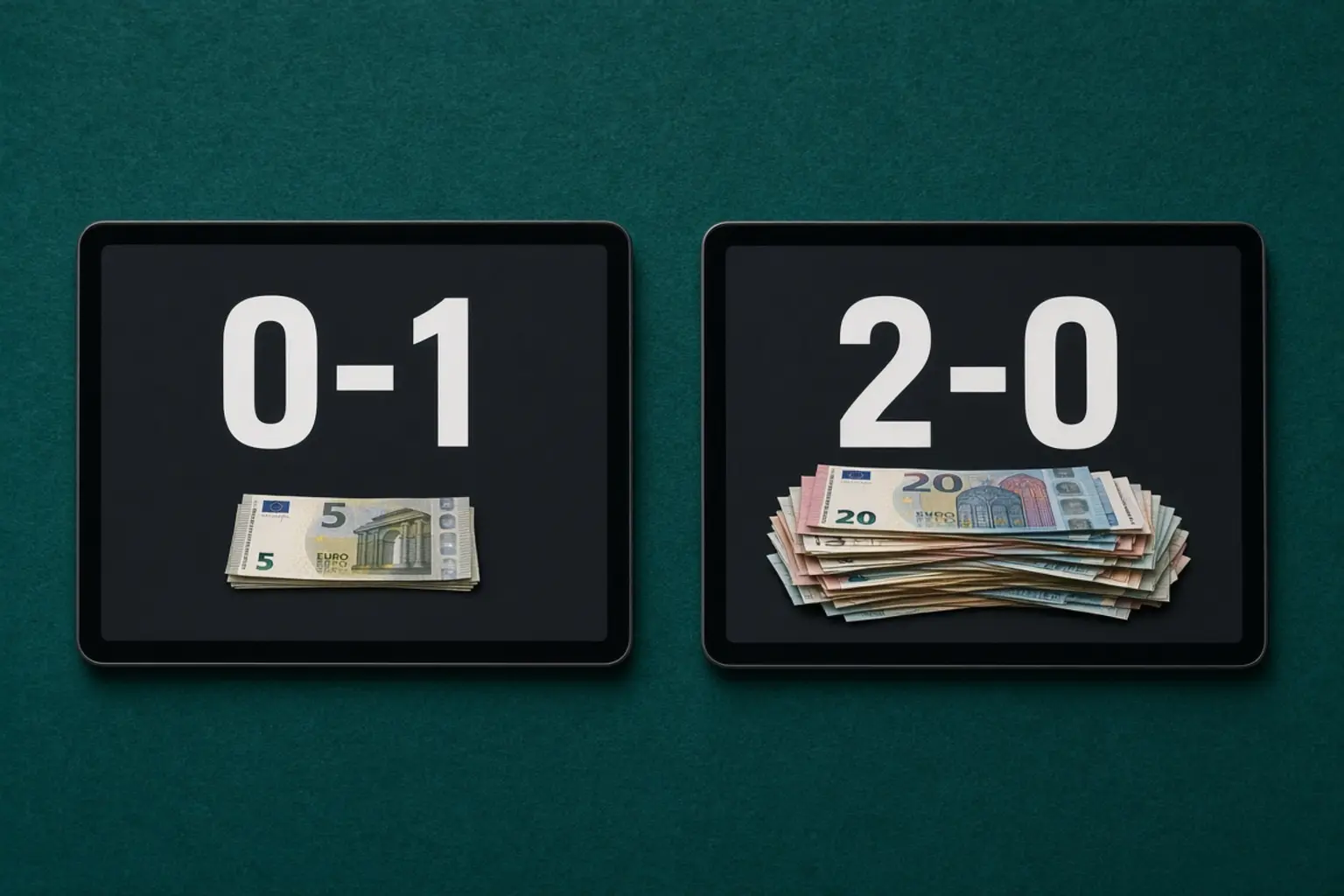
Under H17, the dealer takes a card with the same total that a player would often stand on, betting that the Ace’s second life will produce a stronger hand rather than a bust. Under S17, the dealer freezes at 17 regardless of the Ace’s hidden potential. Statistically, H17 increases the house edge by roughly 0.2%, a figure small enough to overlook casually but significant across thousands of rounds.
and Start Winning Today
How to Spot the Soft 17 Rule at a Table
Recognizing a soft 17 at the table requires no special skill beyond knowing that an Ace is present. Dealers typically announce the total verbally, and most physical or digital tables display the hand value directly, removing guesswork for newer players. The rule itself is stated on table signage or within the game’s rules menu in online formats, so there is no need to ask staff or search for hidden information.
Online and live-dealer platforms accelerate this further by enforcing the rule automatically – the software or dealer proceeds according to the preset variant without requiring player input. This means the only real action needed is adjusting personal strategy decisions (stand, hit, double, or split) based on which version applies, rather than tracking the rule manually during play.
Hard 17 vs Soft 17
Why an Ace Makes a Hand Soft
Soft 17 has no independent visual identity – it is a numerical outcome rather than a themed feature. In physical casinos, its presence is marked only by the visible Ace and the dealer’s second card, with no special lighting, animation, or iconography attached to the total itself. Digital blackjack tables render it the same way any other hand value appears, using standard card art without added embellishment.
How the Rule Is Printed on the Felt
There is no distinct audio cue tied to a soft 17; the tension it creates comes from anticipation rather than sound design. In live-dealer formats, the moment often carries a natural pause as the dealer decides whether to draw, and that pause – dictated by table rules rather than showmanship – is what gives the situation its atmosphere. RNG-based versions skip this pacing entirely, resolving the total within the same rhythm as any other dealer draw.
Dealer Hits or Stands on Soft 17
Card Combinations That Make Soft 17
Blackjack does not use symbols in the slot-machine sense; instead, cards function as the equivalent unit. The Ace is the only card relevant to the soft 17 discussion, since its dual value (1 or 11) is what creates the “soft” condition in the first place. Every other card in the deck contributes a fixed value and cannot generate this flexibility.
Soft 17 and Side Bets
Standard blackjack, including variants built around soft 17 rules, does not include bonus rounds or free spins. Some side-bet variants (such as Perfect Pairs or 21+3) exist independently of the soft 17 rule and do not interact with it mechanically.
How the Rule Changes Payout Expectations
Payouts in blackjack follow the standard 3:2 or 6:5 structure for a natural blackjack, unaffected by whether the table uses H17 or S17. The soft 17 rule influences the dealer’s probability of busting or improving, which in turn shifts the frequency of player wins over time, but it does not alter the payout ratios themselves.
Soft 17 in Jackpot and Bonus Variants
Soft 17 rules have no connection to progressive jackpot mechanics. Jackpot side bets, where offered, are calculated on separate criteria such as suited sequences or specific card combinations, independent of the dealer’s 17 outcome.
Soft 17 Rules on Mobile and Live Tables
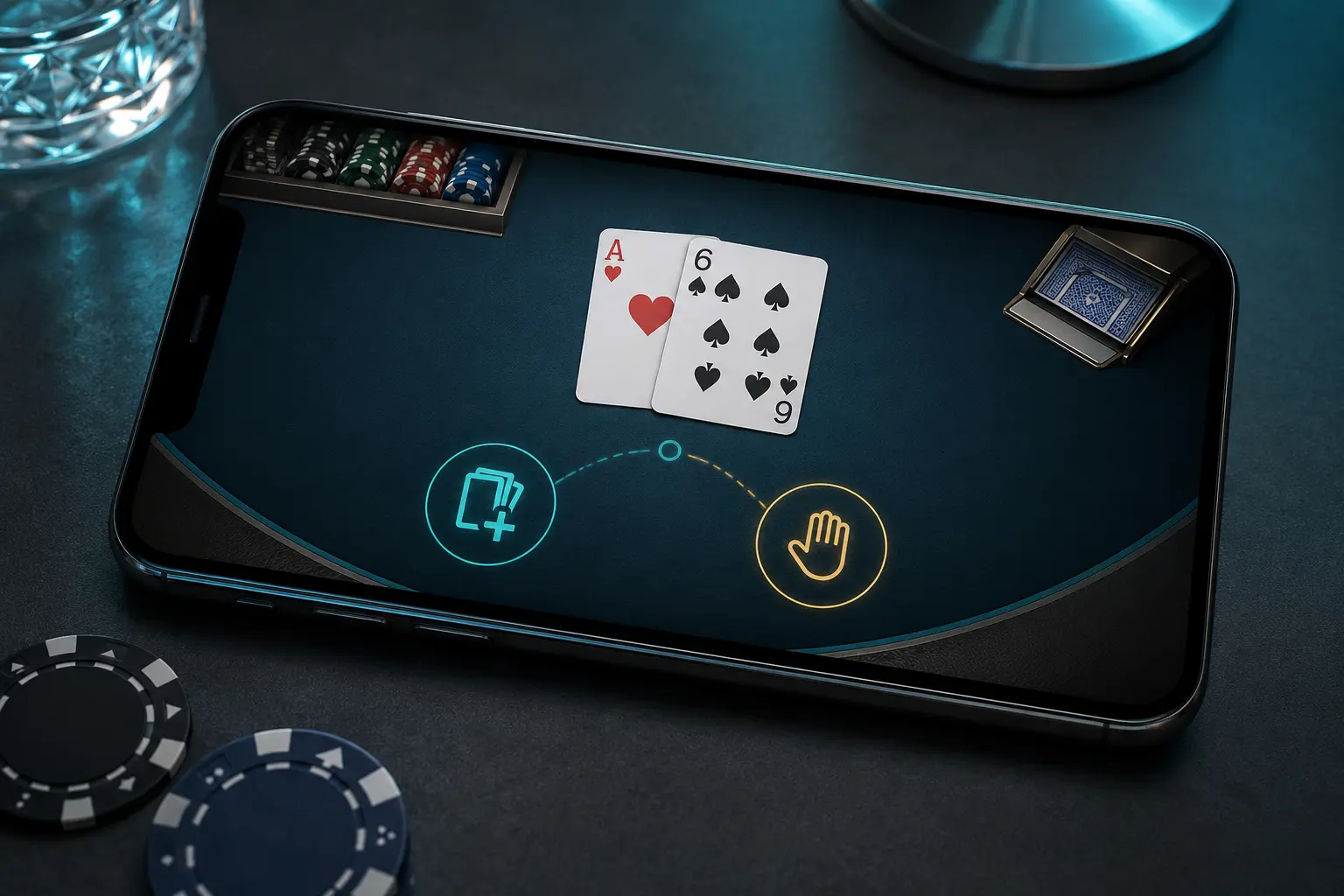
Blackjack tables that specify H17 or S17 rules run identically on mobile browsers and dedicated casino apps, since the rule is enforced server-side rather than through device-specific rendering. Load times and responsiveness depend more on the platform’s general software quality than on which soft 17 variant is active. Live-dealer tables using soft 17 rules stream at standard video bitrates optimized for mobile data, with rule information displayed in the same interface panel as on desktop.
Soft 17: What It Costs and What It Gives
Why Stand on Soft 17 Favours the Player
Tables offering S17 give players a measurable mathematical edge compared to H17 tables, making rule verification a practical way to improve long-term odds without changing playing style. The rule is also transparent – it is disclosed upfront rather than hidden in fine print, allowing direct comparison between tables before committing to a session.
Why Hit on Soft 17 Favours the House
Many casinos default to H17 specifically because it favors the house, meaning players seeking better odds may have fewer table options in certain venues. The 0.2% edge difference, while real, is also small enough that it will not meaningfully affect short sessions, which can lead some players to underestimate its cumulative impact over extended play.
and Get Your Bonus Today
How to Play Soft 17: Key Points
Soft 17 is a rule mechanic rooted in the Ace’s dual value, and its handling by the dealer – hit or stand – functions as a quiet but measurable lever on the house edge. Recognizing which variant governs a given table turns an abstract probability shift into a practical decision point, one that costs nothing to check but can influence outcomes across an entire session.