Is Dragon Hatch Rigged? How Its RNG Works and Why It Goes Cold
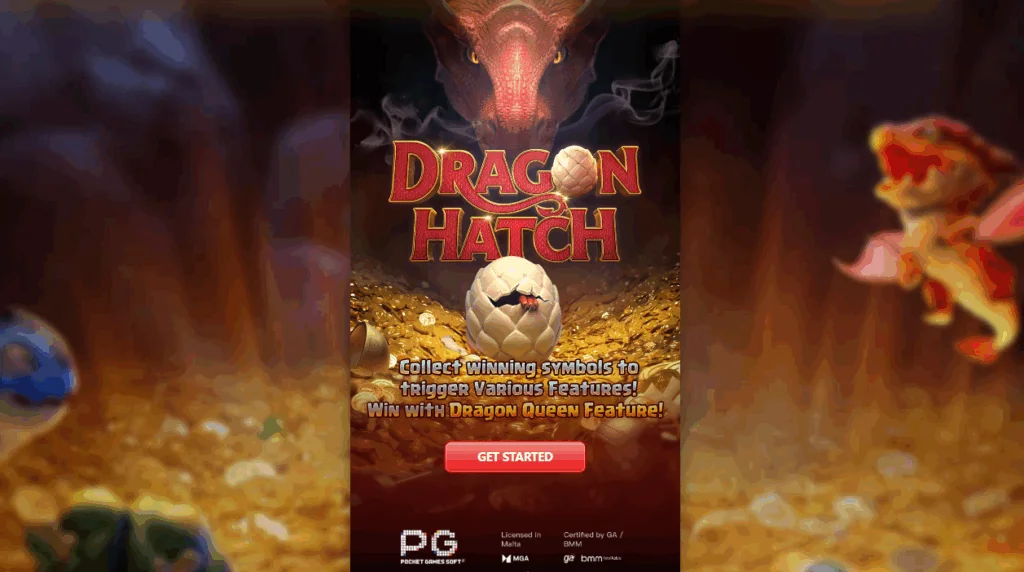
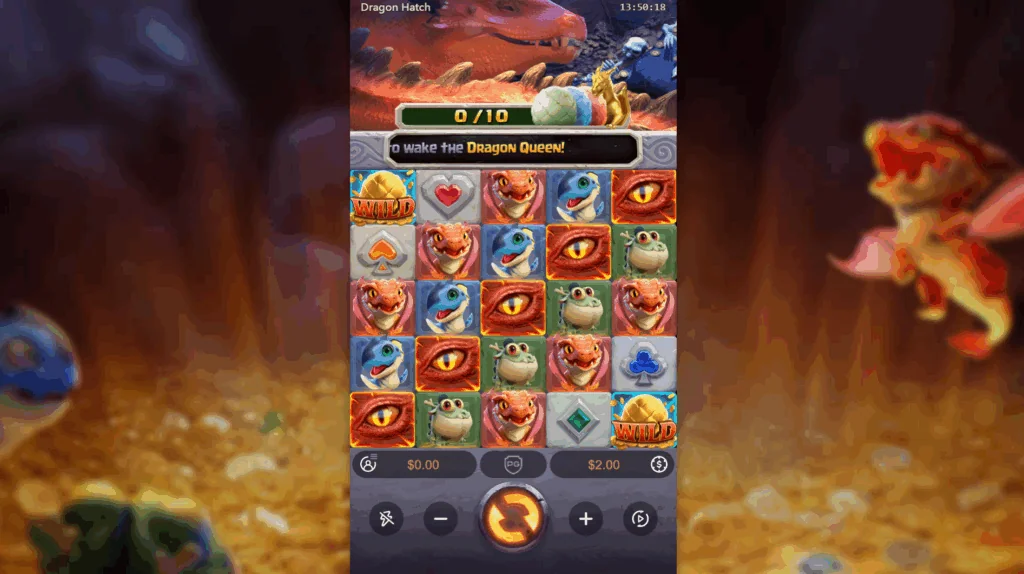
Dragon Hatch is a PG Soft slot on a 5×5 grid where matching symbols form clusters, disappear and let new symbols cascade in. It has a listed RTP of 96.83% and a top prize of 15,000x the stake. Much of its appeal comes from the dragon features, including the Dragon Queen, which needs a large number of winning symbols to unlock. Long waits for those features lead some players to ask whether the game is rigged. This guide explains how the RNG works, why cold runs happen and when to stop. For features, read our Dragon Hatch slot review.
How the RNG decides every spin
A random number generator on the game server produces values constantly. When you press spin, the current value fixes the symbols on the grid, and the symbols that drop in during cascades are also decided by the RNG. Nothing you do after pressing spin changes the outcome. The game does not track your balance or losses, and every spin is independent.
PG Soft games are tested by independent labs before they reach licensed casinos. The tests confirm that results are random and that the long-run return matches the published RTP.
What the RTP and volatility tell you
The BetFM game catalogue lists 96.83%, so check the game info screen at your casino for the version you play. Our review rates the volatility as medium. Even so, the big results depend on long cascade chains and the dragon features, which are not frequent, so leave room in your budget for dry spells.
Why Dragon Hatch goes cold
Winning symbols are collected as they are removed, and collecting enough starts the Earth, Water, Fire and Mother Dragon features in turn. Reaching the later features takes many spins with good cascades, so long stretches without the feature are normal. The 15,000x top prize sits in the rarest outcomes and should not be part of your plan.
- There is no hot or cold mode in the RNG.
- Progress towards a feature does not make the next spin more likely to win.
- A run of losing spins says nothing about the next result.
When to stop playing
- Set a session budget, for example ₦5,000, and stop when it is used.
- Use a stake of about 1/150 of the budget, such as ₦30–₦35 on ₦5,000.
- Set a win target, for example doubling your budget, and end the session if you reach it.
- Take a break after 30 minutes regardless of the balance.
- Never raise your stake to win back losses.
If the game stops being fun or you feel pressure to keep going, close it for the day. You can always return to the free demo to watch the features without risking real Naira.
Frequently Asked Questions
For a second example of how RNG results are tested, read our guide on whether Book of Spells is rigged. The same question comes up for other titles, for example in our guide on whether Fighter Pit is rigged.
Is Dragon Hatch rigged?
What is the RTP of Dragon Hatch?
Why does Dragon Hatch go cold?
How are the dragon features triggered?
What is the max win in Dragon Hatch?
Play Responsibly
Gambling is for adults aged 18 and over. Real-money play carries a risk of loss, and no strategy guarantees a win. Only stake money you can afford to lose, set deposit and time limits, and stop if it stops being fun. If you need support, contact a local problem-gambling service.
How we checked this guide: game data comes from the provider, the BetFM review and the BetFM game catalogue. Figures can differ between versions and casinos.