What Does A Mean in Blackjack?
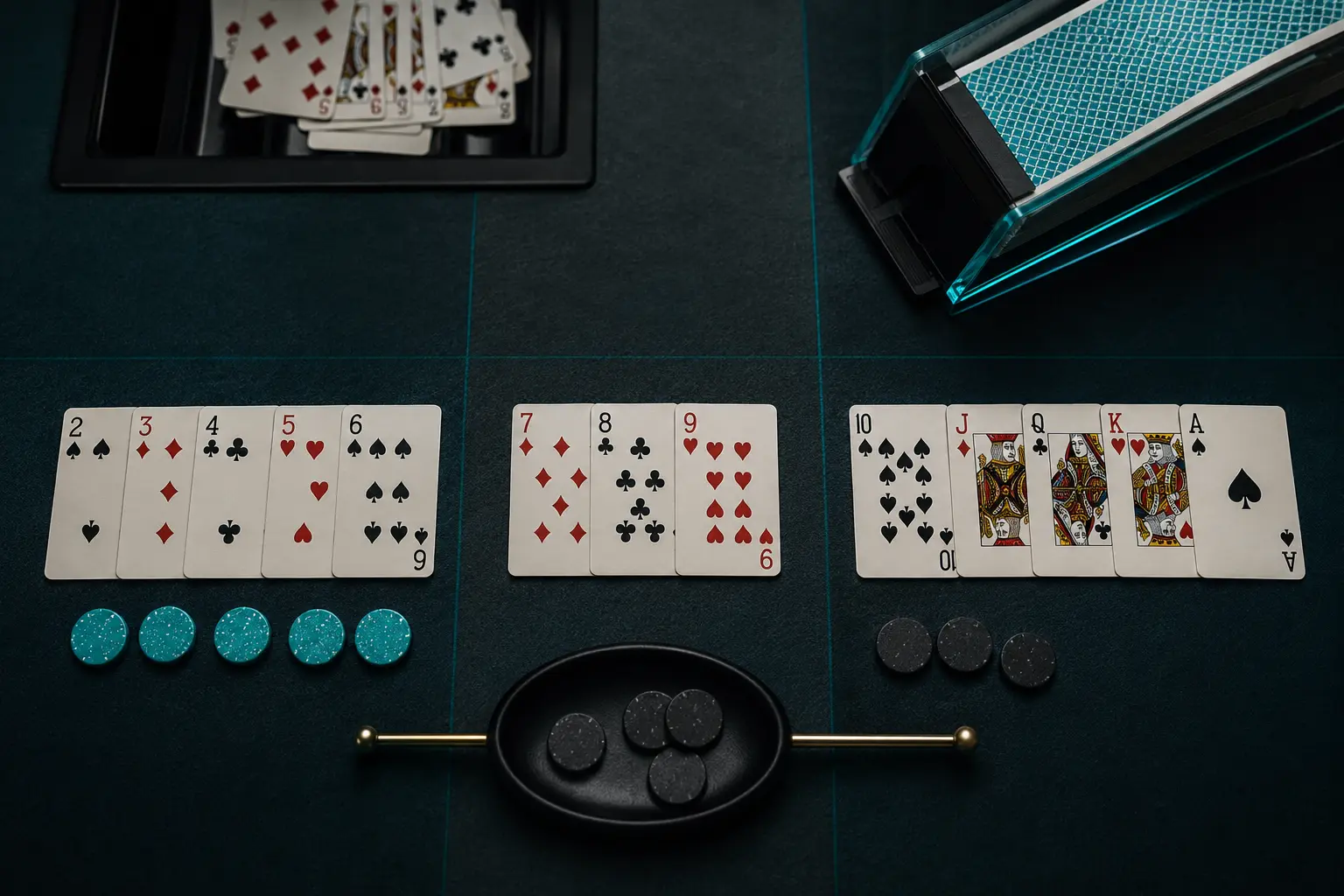
In blackjack, A means ace. An ace counts as 11 unless that would take the total past 21, in which case it counts as 1 – which is why hands with an ace are called soft. Face cards, jack, queen and king, are each worth 10. Below: how ace values work in every situation.
What A Means in Blackjack
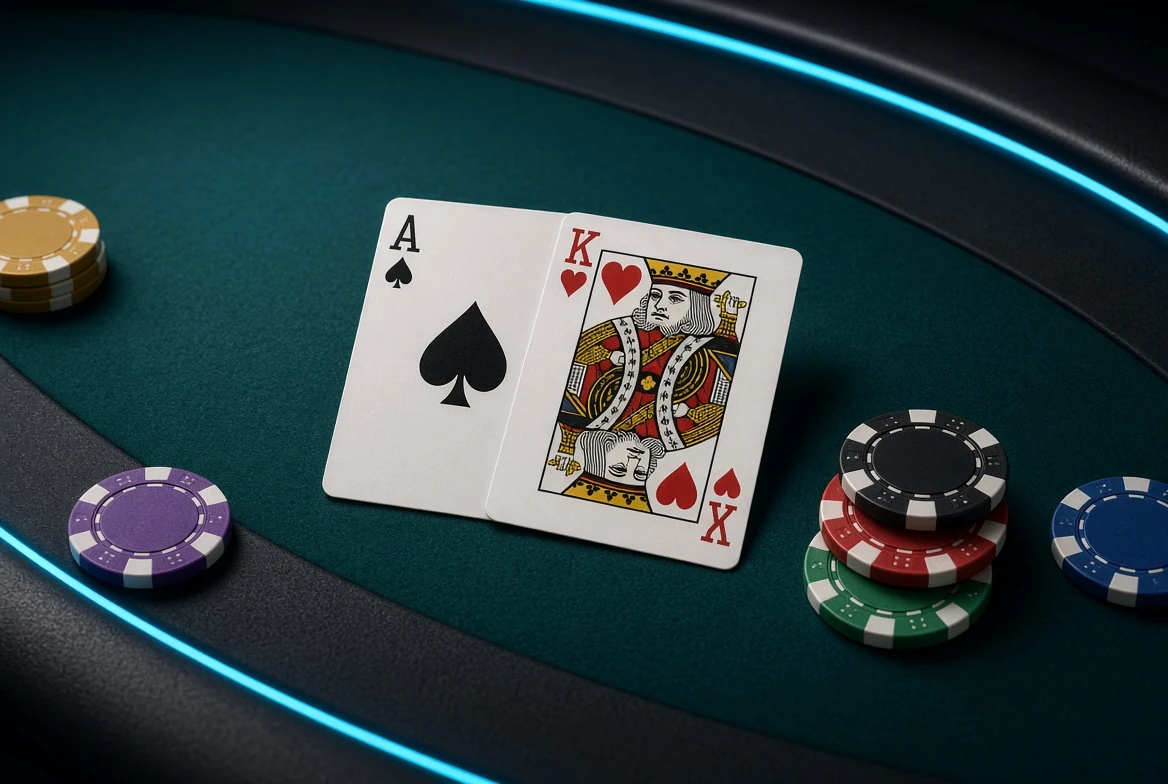
In blackjack, “A” refers to the Ace, the single most flexible card on the table. Unlike every other card in the deck, the Ace carries two possible values at once: 1 or 11. This dual identity is written into the rules of the game itself, not decided by the dealer or the casino, and it applies identically whether you’re playing at a physical table or through a digital shoe. The value the Ace takes is determined automatically by whichever total benefits the hand without pushing it over 21.
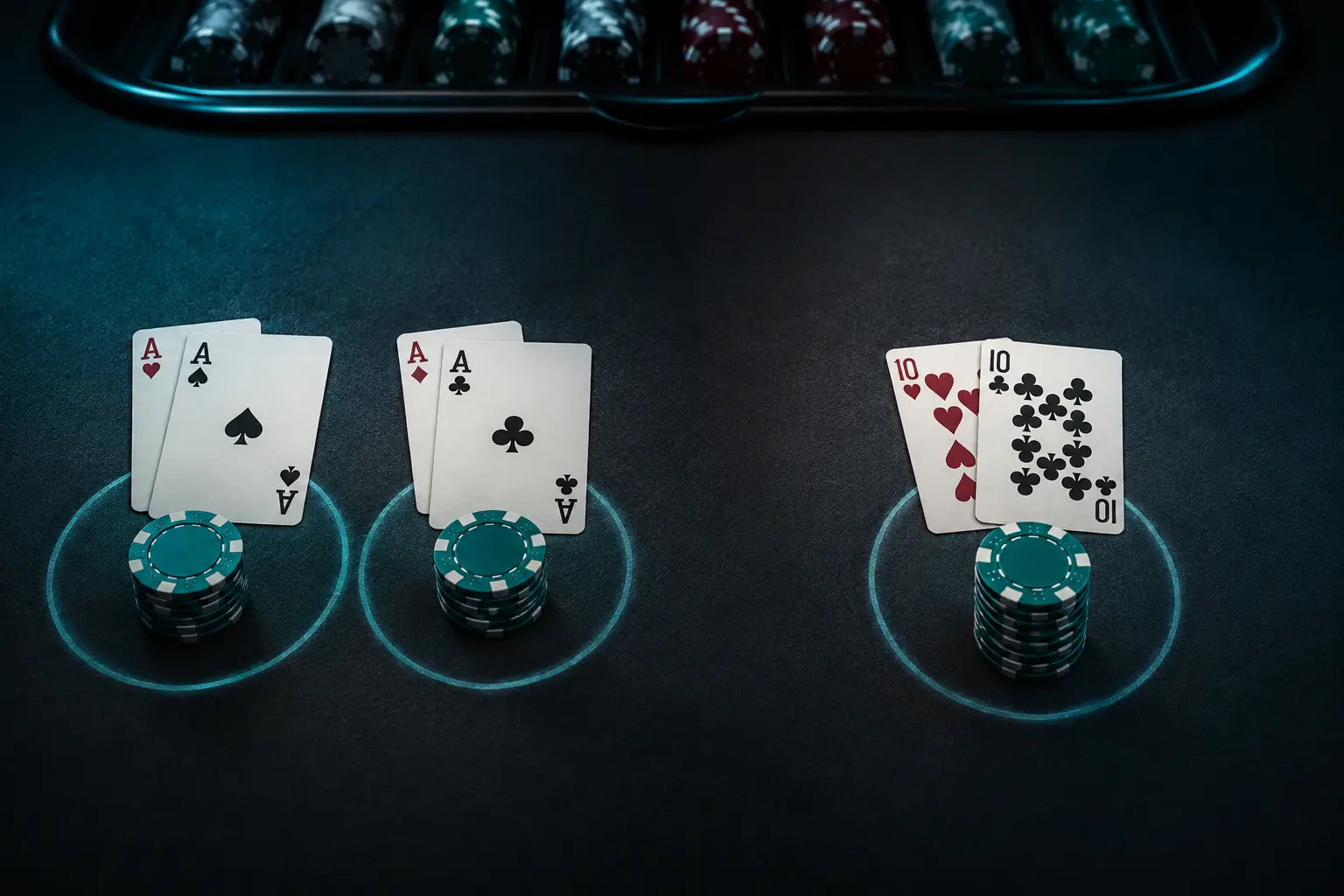
A hand like Ace plus King is not just a strong combination – it’s the strongest one available, known as a “natural” or “blackjack,” and it pays out at odds better than a standard win in most rule sets (commonly 3:2, though some tables use 6:5). The Ace’s role here is structural: it’s the card that makes 21 achievable in exactly two cards, something no other pairing can replicate. Face cards – Jack, Queen, King – all carry a flat value of 10 regardless of suit or design, which is a separate rule from the Ace’s variability and often confused with it by newer players.
and Start Winning Today
How the Ace Is Shown at the Table
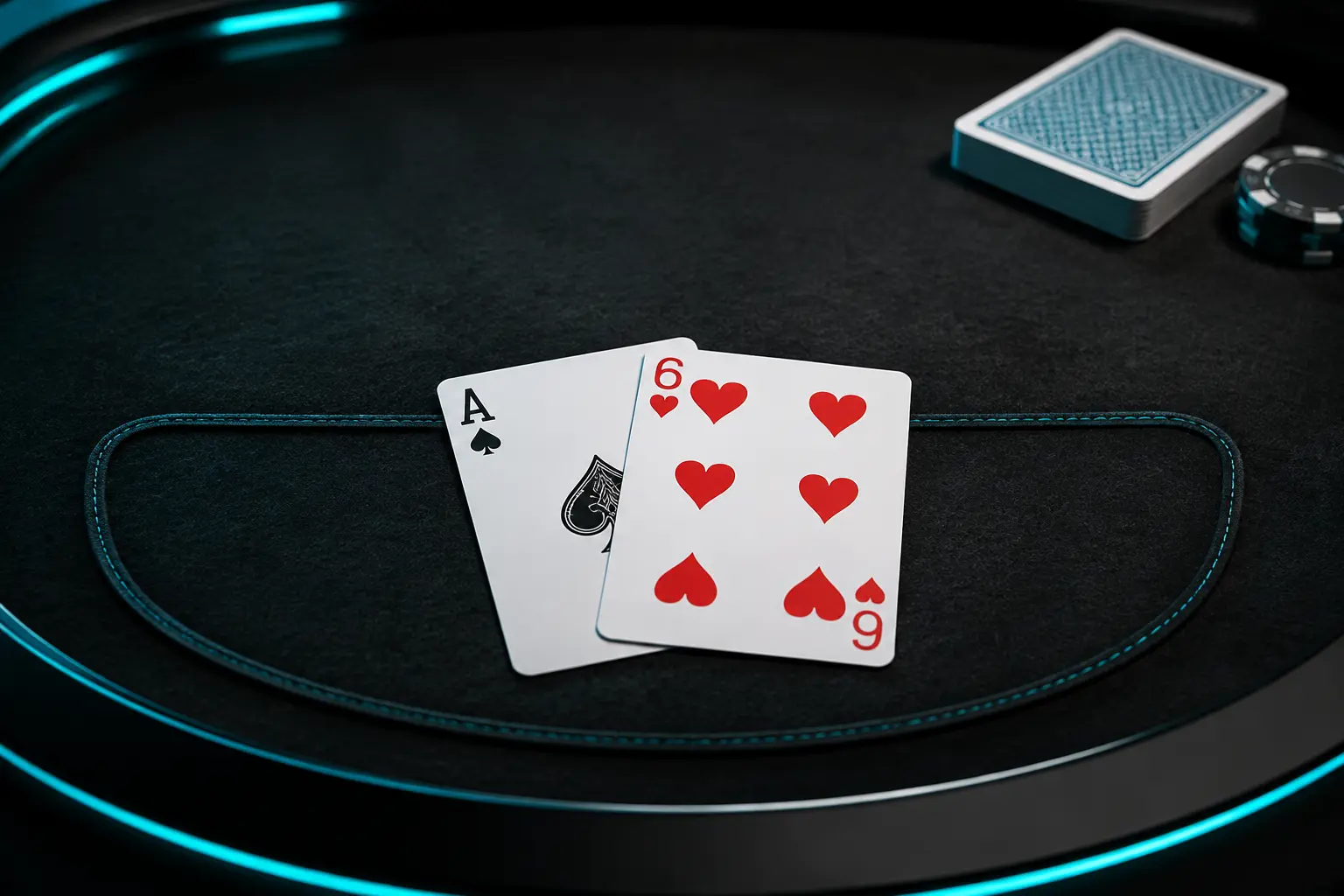
Reading an Ace at the table takes no special skill once you know the rule: the software or dealer calculates the best value instantly. On digital platforms, running totals update in real time, so a hand showing Ace-6 will display as “17” or “7” depending on what happens next, without requiring manual calculation from the player. This removes a layer of friction that trips up people coming from other card games where card values are fixed.
Table interfaces, whether physical felt or an on-screen layout, place the Ace’s dual nature front and center through visible prompts – a soft-hand indicator, a small “soft 17” label, or a verbal cue from a live dealer. Players don’t need to memorize charts to participate; the mechanic reveals itself through play within a few hands. This low barrier to entry is part of why blackjack remains one of the more approachable games for people new to card-based betting.
What Is Ace in Blackjack and What Is It Worth?
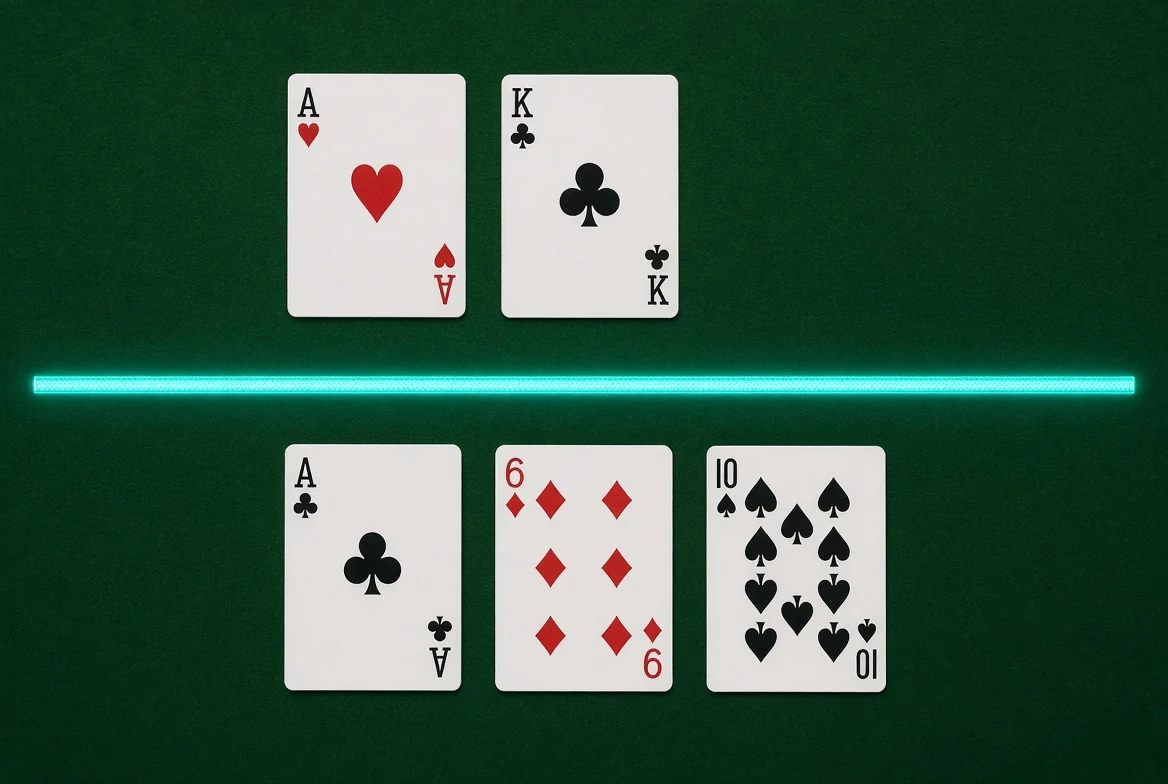
When an Ace Counts as 11
Blackjack tables, whether rendered digitally or built physically, tend toward a restrained visual identity: green felt, gold trim, minimal iconography beyond the card suits themselves. The Ace is typically marked with a single letter “A” in each corner, sometimes accompanied by a stylized suit symbol scaled larger than on numbered cards, giving it a slightly more prominent visual weight on the table without altering its function.
Digital variants sometimes theme the card backs or table borders – Vegas-style neon, classic casino mahogany, or minimalist flat design – but the Ace’s face design rarely changes across these skins. It remains the one card players scan for first, and most interfaces are built with that instinct in mind, placing it in a visually distinct position when it appears in a hand.
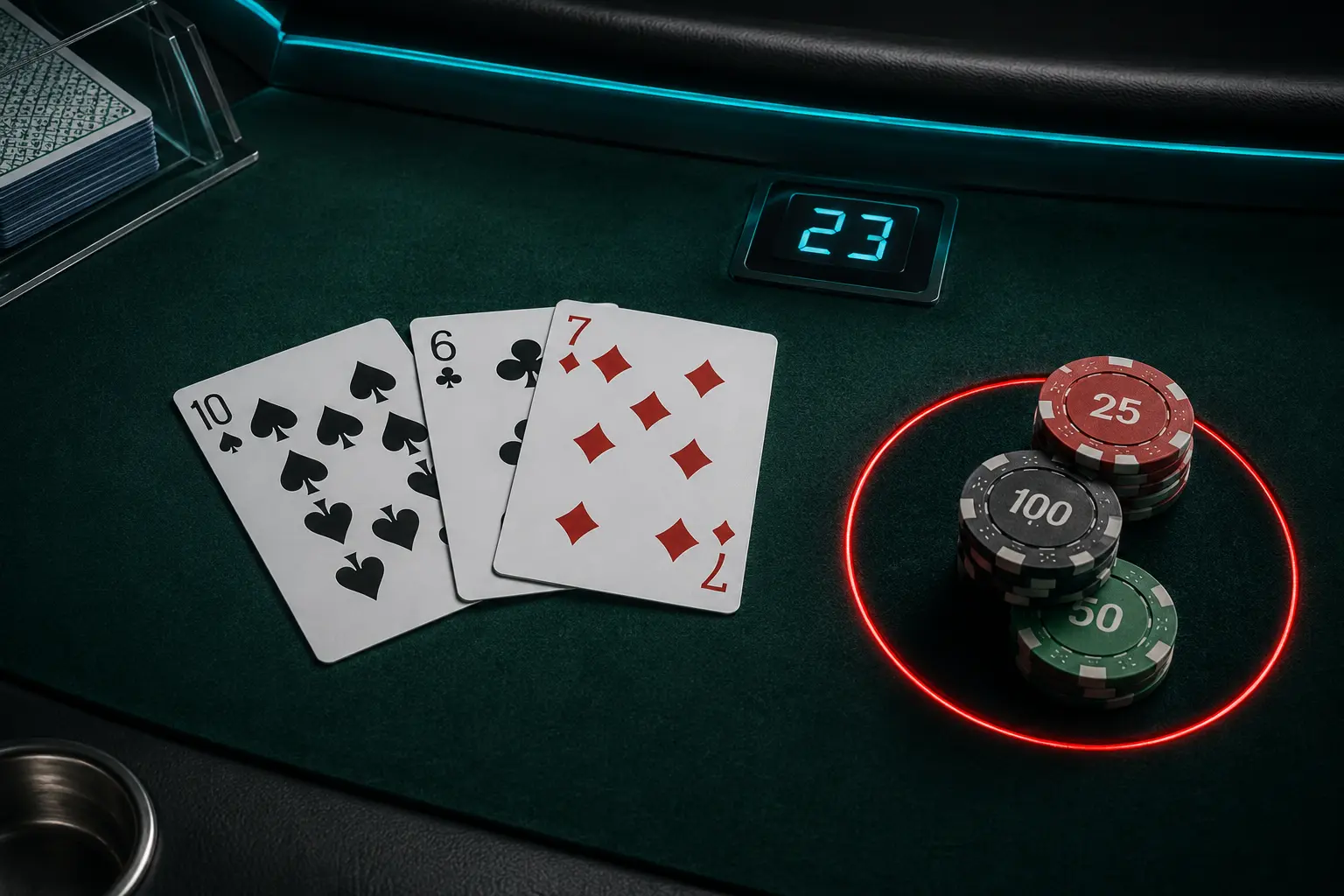
When an Ace Counts as 1
The moment an Ace lands, especially as part of a two-card 21, many digital tables mark it with a distinct audio cue – a chime, a short flourish – separate from the standard card-dealing sound. This creates a sensory signal that reinforces the value of the moment before the payout even displays. Live dealer versions replicate this through vocal announcement, with dealers often stating “blackjack” aloud when an Ace pairs with a ten-value card.
The pacing of a hand shifts subtly around Ace decisions too. Soft-hand totals introduce a brief pause in most players’ decision-making, and well-designed interfaces or attentive dealers accommodate that pause rather than rushing the action, which affects the overall rhythm of a session more than any other single card rule.
Card Values and Payouts
The Value of Face Cards in Blackjack
| Card | Value in blackjack |
|---|---|
| Ace (A) | 11, or 1 if 11 would bust the hand |
| King, Queen, Jack | 10 |
| 10 | 10 |
| 2 to 9 | face value |
Within the deck itself, the Ace functions less as a “symbol” in the slot-machine sense and more as a rules trigger – its presence changes how a hand is scored rather than unlocking a separate feature. Face cards (J, Q, K) serve a simpler symbolic role: they’re static ten-value cards with no behavioral variation, distinguishing them clearly from the Ace’s conditional logic.
Suit symbols on any card, Ace included, carry no bearing on hand value in standard blackjack – a common point of confusion for players arriving from poker, where suit combinations matter. In blackjack, only rank matters, and the Ace’s rank is unique precisely because it isn’t fixed.
Aces in Side Bets
Standard blackjack has no free spins or bonus rounds in the way slot games do, but many casino variants layer optional side bets onto the base game – Perfect Pairs, 21+3, or Insurance. Insurance is directly tied to the Ace: it’s only offered when the dealer’s face-up card is an Ace, and it lets a player wager separately against the possibility of a dealer blackjack. This is the one mechanic where the Ace triggers an entirely separate betting decision rather than just influencing hand value.
Side bets like 21+3 evaluate the player’s two cards plus the dealer’s up-card as a three-card poker hand, and an Ace can contribute to straights, flushes, or three-of-a-kinds within that side wager – a completely different scoring context from its role in the main hand.
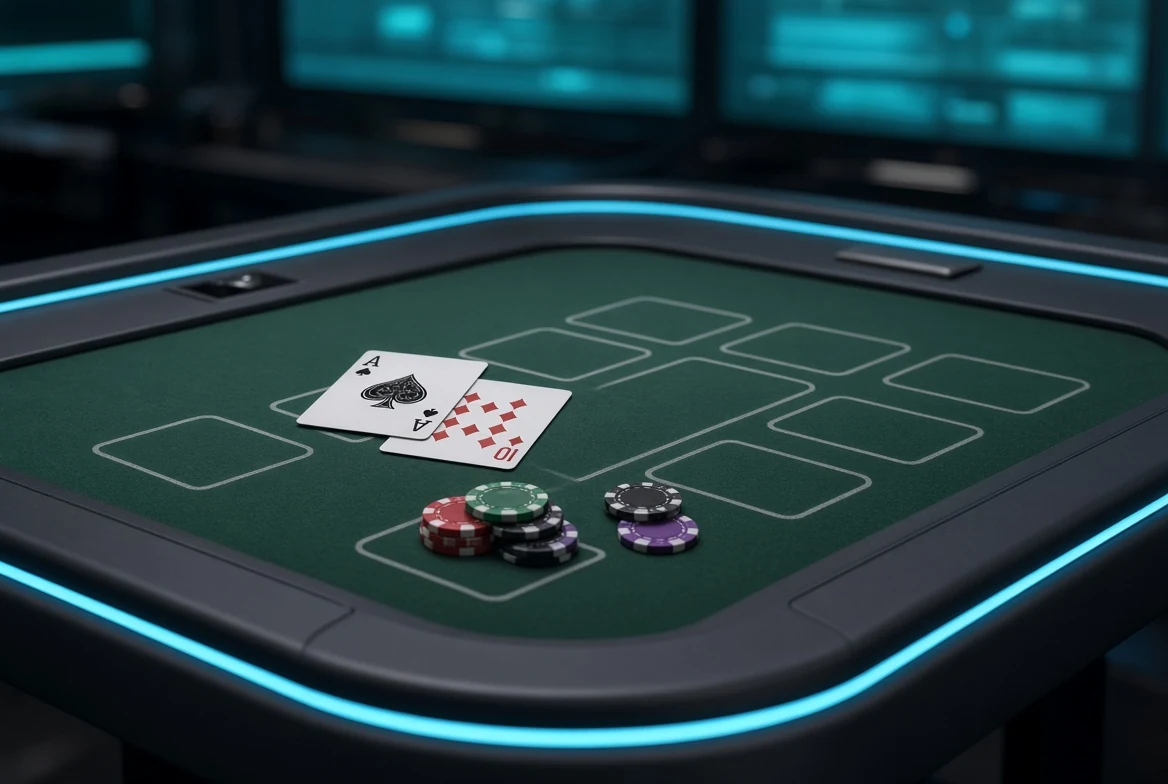
Ace-Ten: Blackjack and the 3:2 Payout
A natural blackjack – Ace with any ten-value card dealt as the first two cards – typically pays 3:2, meaning a $10 bet returns $15 in profit. Some tables reduce this to 6:5, a variation that noticeably shifts the house edge and is generally considered less favorable to players. Regular wins against the dealer’s total, without an Ace-driven blackjack, pay even money at 1:1.
Insurance bets, when taken, pay 2:1 if the dealer does hold a blackjack, but statistically this side bet favors the house over the long run in the vast majority of situations, which is why it’s frequently flagged in strategy guides as a bet to avoid despite its Ace-triggered availability.
Aces and Jackpot Side Bets
Standalone blackjack doesn’t carry a progressive jackpot in its traditional form, but many casinos attach optional progressive side bets – often requiring specific high-value hands involving suited Aces or matched cards across multiple positions at the table. These jackpots operate independently of the main hand’s outcome and require a separate wager to qualify, meaning a player can lose the main hand while still collecting a side jackpot, or vice versa.
Aces on Mobile and Live Tables
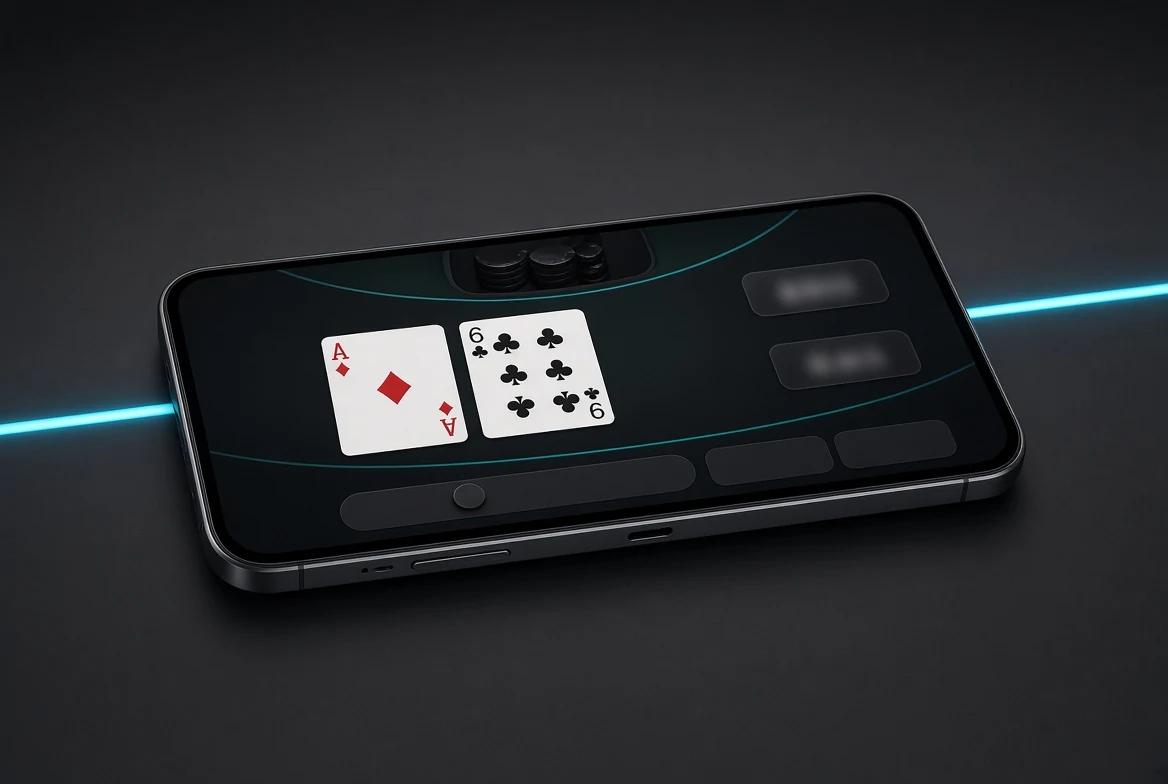
Blackjack’s simple card-and-table layout translates cleanly to smaller screens, with most platforms rendering the Ace’s dual-value logic without any loss of clarity on mobile. Touch-based betting controls, hit/stand buttons, and hand totals remain legible even on compact displays, and the automatic scoring of Ace-inclusive hands removes any mobile-specific calculation burden. Load times and responsiveness generally hold steady across devices since the game doesn’t rely on graphically heavy animations the way slot titles often do.
Holding an Ace: Advantages and Risks
Why the Ace Is the Strongest Card
The Ace’s dual value gives blackjack a strategic depth that fixed-value card games lack – decisions around soft hands (hands containing an Ace counted as 11) directly affect optimal play, rewarding players who understand basic strategy charts. The natural blackjack payout, driven entirely by Ace combinations, also offers one of the better payout ratios available in standard casino games when the 3:2 rate is in play.
Where a Dealer Ace Hurts You
Tables offering 6:5 payouts instead of 3:2 quietly erode the value that makes Ace-driven blackjacks appealing, and this shift isn’t always obvious to casual players scanning table felt for basic rules. Insurance, despite being tied directly to the dealer’s Ace, is mathematically unfavorable in most standard scenarios and can lead new players toward a betting habit that costs more than it protects over time.
and Get Your Bonus Today
Value of an Ace in Blackjack: Key Points
The Ace’s value in blackjack isn’t a matter of house rules or platform variation – it’s a fixed mechanic that flexes between 1 and 11 depending on what keeps a hand alive. That flexibility is what separates blackjack’s scoring logic from nearly every other card game, and it’s the reason natural blackjacks pay more, soft hands require different strategic decisions, and Insurance exists as a side option at all. Understanding this one rule resolves most of the confusion players run into when first learning hand totals.